The boardroom bleeds into the squared circle
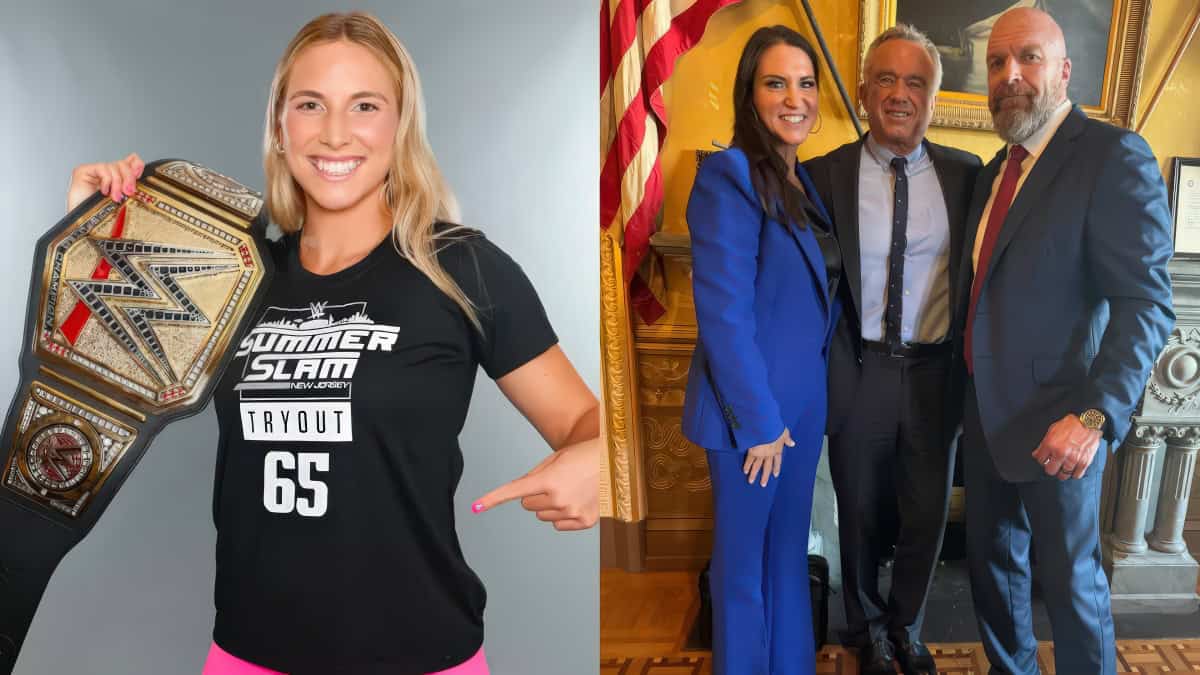
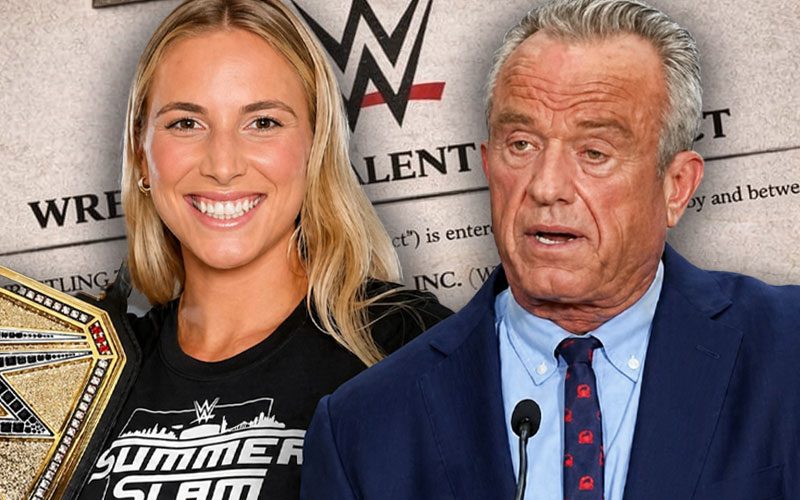
The signing of Zoe Hines to WWE’s developmental system isn't a traditional wrestling acquisition. It is a calculated corporate maneuver. When the news broke that Robert F. Kennedy Jr.’s niece was officially reporting to the Performance Center in Orlando, it sent a very specific message. This wasn't about finding the next great worker or tapping into a new athletic demographic.
According to reports surfacing this week, WWE faced direct political pressure to make this deal happen. That changes the math entirely. The Performance Center has always been a strange mix of collegiate athletes, indie veterans, and legacy hires. But an active political favor walking through those doors introduces a variable that Shawn Michaels and Matt Bloom have rarely had to navigate.
How do you train someone who is structurally untouchable? The TKO era of WWE has prided itself on mainstream integration. Ari Emanuel’s vision involves tying the company into the broader cultural conversation. Bringing in a member of the Kennedy family tree fits that corporate mandate perfectly.
The Performance Center paradox
Wrestling, at its core, is still a carny business built on physical trust. The men and women taking bumps on the canvas don't care about board-level networking. They care about whether the person across from them knows how to execute a suplex without dropping them on their neck.
This creates an immediate, highly volatile situation in the NXT locker room. You have talent who spent eight years driving between armories in the Midwest for twenty bucks a night. Now they have to share television time with a signing engineered to appease political heavyweights. Television time is a strictly finite resource.
Resentment in wrestling isn't quiet. It manifests directly in the ring. It shows up in stiff forearms, uncooperative posting, and awkward timing. The trainers will have to heavily protect Hines during her initial drills just to keep the peace.
Hiding the flaws on live television
When she eventually makes her television debut, the booking strategy will be fascinating to dissect. WWE cannot afford to let a politically motivated signing look foolish on a live broadcast. The blowback wouldn't just be from the fans in the arena. It would come directly from the very people who pressured the company into signing her in the first place.
Expect heavy smoke and mirrors. The standard playbook for hiding a green worker involves pairing them with a seasoned veteran in a tag team. They will likely give Hines a mouthpiece manager to handle the promo work. Her in-ring time will be restricted to short bursts, primarily hot tags and basic power moves.
You won't see her working a 15-minute broadway with Roxanne Perez anytime soon. The match layout will be tightly scripted. Every spot will be rehearsed endlessly behind closed doors before the red light turns on.
But you can only hide someone for so long in modern wrestling. The current audience is too smart and too cynical. They dissect workrate on social media in real-time. If Hines is missing marks or looks out of her depth, the crowd in the Capitol Wrestling Center will hijack the segment immediately.
The danger of corporate meddling
This isn't like bringing in Logan Paul. Paul arrived with a massive chip on his shoulder and a freakish athletic baseline. He actively sought to prove the locker room wrong by taking ridiculous bumps and mastering the mechanics of the sport faster than anyone anticipated. A political appointee rarely has that same internal fire.
They don't have to push themselves to the brink. Their position is secured by external forces, not internal merit. This is the fundamental flaw in the TKO strategy of treating WWE like a standard Hollywood production studio. You can cast an underqualified actor in a movie and fix it in post-production.
You cannot fix a blown spot in the middle of a live broadcast. The ring exposes everyone eventually. The timing here is also deeply intriguing. We are heading into a massive summer stretch.
WWE Backlash is exactly nine days away on May 9. The main roster is entirely focused on the immediate fallout from WrestleMania. The developmental system is supposed to be quietly building the next generation of main eventers for late 2026 and beyond.
Instead, NXT has to allocate resources to a project that offers zero guaranteed return on investment. Every hour a trainer spends teaching Hines the absolute basics is an hour taken away from a prospect with actual main-event potential.
A toxic precedent for the locker room
There is a long history of wrestling promotions signing relatives of famous figures for a quick pop. It almost never yields long-term results. The physical demands of the job usually weed out the tourists within six months. The bumps hurt just as much, regardless of who your uncle is.
This situation feels significantly heavier. The pressure isn't just about a famous last name; it's tied to current political currents. That makes cutting bait significantly harder. WWE is stuck managing a delicate public relations exercise disguised as a wrestling career.
We have seen how TKO handles adversity so far. They pivot quickly when the numbers drop. But they haven't had to navigate a situation where cutting a developmental talent could result in angry phone calls from Washington. The corporate structure is being tested in a completely novel way.
Before the TKO merger, Vince McMahon would occasionally indulge in outside signings based on personal whims. But McMahon viewed the wrestling product through the lens of a promoter. He wanted a return at the box office.
The Endeavor board looks at global positioning. They view WWE as a property that needs to be constantly legitimized in the eyes of mainstream advertisers and political power brokers. Signing a Kennedy adjacent figure is a cheap way to curry favor with the right people.
But it ignores the reality of the two-hour NXT broadcast on Tuesday nights. The pacing of that show is built entirely around athletic urgency. It is the fastest-moving television product under the WWE umbrella. There is simply no place to hide a slow, hesitant performer in that environment.
Consider the recent call-ups. The talent moving from Orlando to the main roster right now are completely polished machines. They understand camera angles, hard-cam positioning, and timing. Throwing a political project into that mix completely disrupts the flow of the entire broadcast.
The other wrestlers will have to slow down. They will have to walk Hines through basic sequences. A simple Irish whip into a drop-down leapfrog combination requires blind trust. If the timing is off by half a second, someone shatters a collarbone.
How this actually plays out
Prediction time. Zoe Hines will be kept off television for at least eight months. When she does debut, it will be in a heavily produced, pre-taped cinematic segment rather than a live match in front of a paying audience.
They will try to position her as a heel manager or an authority figure to severely limit her bump card. If they force her into the ring, it will be an unmitigated disaster. The Florida crowd will turn on the act immediately.
WWE will eventually find a quiet exit strategy. Expect a press release citing a mutual parting of ways due to creative differences sometime in early 2027. The ring always tells the truth. Political pressure can get you a developmental contract, but it absolutely cannot teach you how to work.