The Intake Reality
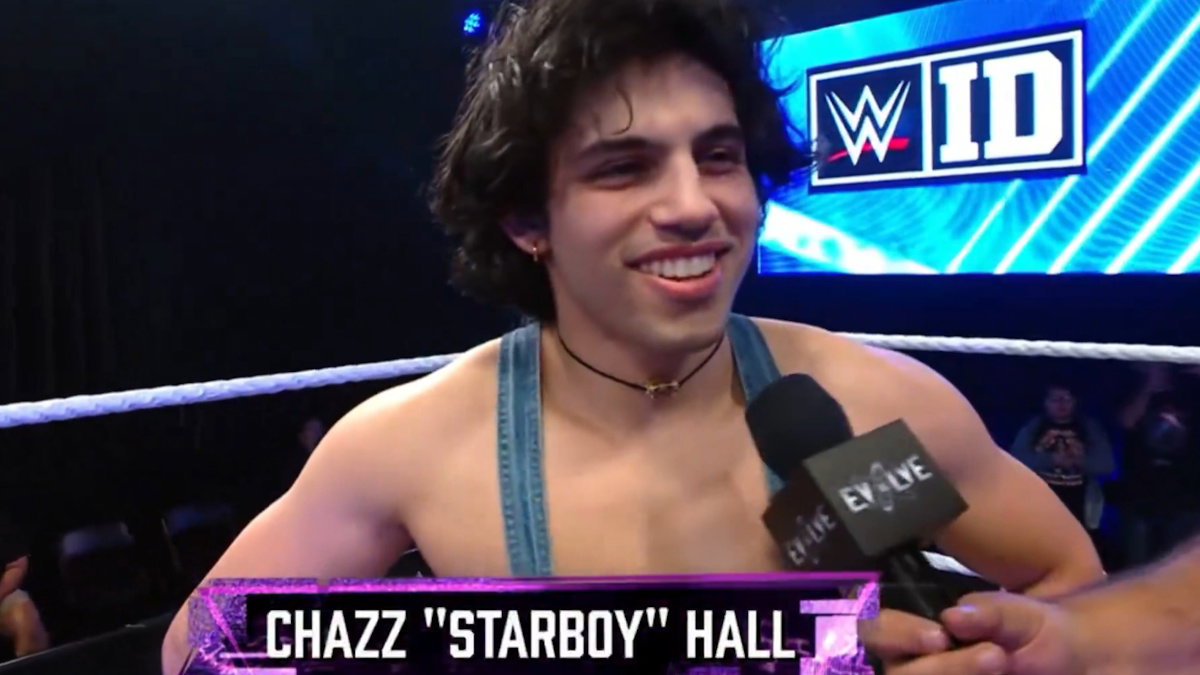
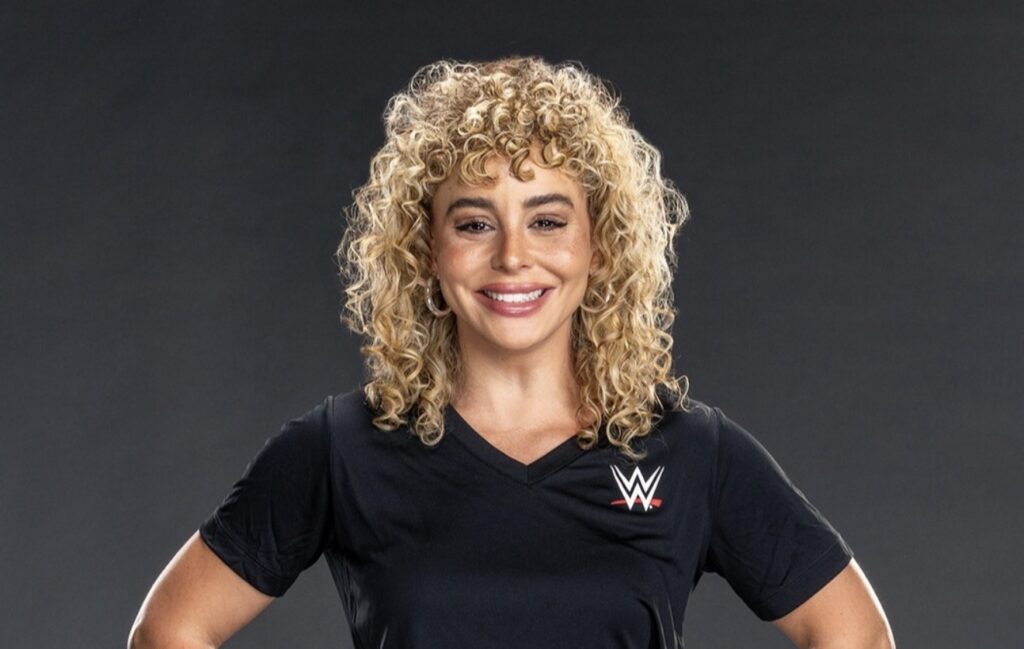
Four new names just entered the most punishing athletic pipeline in North America. Alyssa Daniele, Garrett Beck, Nicholas Panicali, and Zoe Hines have officially reported to the WWE Performance Center.
The company announced the rookie class with the usual fanfare. The press release noted their goal to move up to NXT or WWE EVOLVE.
But the enthusiasm masks a brutal mathematical reality. Getting in the door is the easy part. Surviving the system is statistically improbable.
Since the Performance Center opened its doors in Orlando in 2013, the facility has processed hundreds of hopefuls. The attrition rate is staggering.
We are looking at over a decade of data. The numbers tell a story of constant churn.
The Survival Curve
Let's look at the historical averages. For every class of recruits with zero prior wrestling experience, the data is grim.
Historically, roughly thirty percent are released within the first eighteen months. They never see a television camera.
Another forty percent might make it to the Florida loop. They work untelevised live events in places like Venice or Citrus Springs, learning the mechanics of a rest hold in front of two hundred people.
Only a fraction bridge the gap from the coconut loop to regular NXT television. The conversion rate from blank-slate rookie to WrestleMania main-eventer sits somewhere around 2.5 percent.
That is the mountain Daniele, Beck, Panicali, and Hines are currently staring at. The odds are fundamentally against them.
The EVOLVE Question
The source announcement included an interesting wrinkle. It mentioned the rookies hope to move up to "WWE EVOLVE or WWE NXT."
WWE purchased EVOLVE back in 2020. For years, the brand name sat dormant in the archives, a casualty of the pandemic era.
If EVOLVE is being positioned as a distinct developmental tier beneath NXT, it changes the math entirely.
Currently, NXT is a crowded television product on the CW Network. It requires polished acts. You cannot put a talent with six months of experience on national television without exposing them.
An EVOLVE brand could serve as a televised intermediary step. It would allow rookies to log broadcast minutes without the pressure of a national television rating.
This matters because the current bottleneck is severe. The gap between training in the warehouse and working a live Tuesday night broadcast is too wide for most pure athletes to cross quickly.
Television Time Distribution
Let's break down the actual availability of airtime. A standard two-hour episode of NXT features roughly fifty-five minutes of actual in-ring action.
When you account for entrances, video packages, and backstage segments, the available real estate is tiny. The average NXT television match in 2026 clocks in at just over 8.5 minutes.
There are over seventy contracted talents fighting for those minutes. A rookie class of four adds immediate pressure to the bottom of the roster.
If you aren't getting ring time, you aren't improving. If you aren't improving, you are moving closer to the next round of budget cuts.
The Changing Profile
We don't know the full athletic backgrounds of Daniele, Beck, Panicali, and Hines yet. But they represent the ongoing shift in WWE's scouting philosophy.
A decade ago, the PC was heavily populated by independent wrestling standouts. The company bought pre-trained talent.
Today, the focus is heavily skewed toward Division I athletes, track stars, and gymnasts. The NIL program has fundamentally altered the demographic of the building.
This approach lowers the average age of the intake. It also increases the failure rate.
Teaching a 22-year-old shot putter the psychology of a heat segment is harder than teaching a 28-year-old indie veteran how to find the hard camera.
Athletic Conversion Rates
The numbers back this up. When WWE signs an independent wrestler with five years of experience, their average time from PC reporting date to NXT television debut is roughly eight months.
When they sign a pure athlete with zero experience, that number jumps to twenty-two months.
The company is willing to absorb that development time because the physical ceiling is theoretically higher. But the floor is also non-existent.
An indie worker knows how to protect themselves. A former gymnast might be able to hit a standing shooting star press, but they don't know how to feed a comeback without blowing a spot.
The Systemic Flaw
Here is the core problem with the current system. It homogenises talent.
When everyone learns the exact same footwork, from the exact same coaches, in the exact same ring, the output becomes predictably sterile.
We see it on NXT television every week. You get perfectly executed, entirely soulless chain wrestling sequences.
The true test for this new class won't be whether they can run the ropes correctly. It will be whether they can inject any actual personality into the rigid WWE house style.
Most fail that test. They become highly functional athletes who generate absolutely zero crowd reaction. You can teach a dropkick. You cannot teach charisma.
The Homogenisation Metric
Look at the move-sets of the recent call-ups. Almost every graduate from the pure-athlete pipeline relies heavily on high-impact striking and basic powerbombs.
The technical grappling aspect is largely stripped away. The data shows a sharp decline in submission finishes on NXT compared to the black-and-gold era of 2016.
This is by design. WWE wants a specific style of television match. They train the rookies to produce exactly that match.
But when you watch four consecutive matches built around the exact same pacing and the exact same false finishes, the product suffers.
Daniele, Beck, Panicali, and Hines will be taught the WWE formula. The challenge is figuring out how to subvert it just enough to get noticed.
The Cost of Development
WWE is a publicly traded entity under TKO Group Holdings. Every rookie is an investment.
Factoring in salary, medical, coaching, and facility costs, WWE spends roughly $200,000 per year on a single PC recruit.
Over a three-year development cycle, that is over half a million dollars invested before the talent ever sells a single t-shirt.
This financial pressure dictates the release cycles. The company cannot afford to carry dead weight in the developmental system indefinitely.
The ROI Problem
When the conversion rate to the main roster is so low, the return on investment for the entire Performance Center model relies on producing one or two megastars per decade.
It is the venture capital model applied to professional wrestling. You fund fifty startups, expecting forty-nine to fail, hoping the one success is the next Roman Reigns.
This is why the evaluations are ruthless. The trainers are not looking for competent mid-carders. They are looking for the absolute top-tier outliers.
If a rookie shows a ceiling of a mid-card tag team wrestler, they are often cut to make room for a new prospect who might have main event potential.
The Physical Toll
Beyond the financial and temporal metrics, there is a physical reality to this pipeline.
The human body is not designed to absorb thirty to forty back bumps a day during training drills. The injury rate among first-year PC recruits is notoriously high.
Knee ligament tears, shoulder separations, and concussions routinely derail promising prospects.
When an athlete is sidelined for six months, their cohort moves past them. They return to find a new class of recruits taking their repetitions in the ring.
The pressure to perform while injured or recovering is an unspoken truth of the developmental system. The clock never stops ticking.
The Next Evolution
If the mention of WWE EVOLVE indicates a genuine structural shift, it might alleviate some of this pressure.
A tiered developmental system, similar to the minor leagues in baseball, provides more reps in lower-stakes environments.
It allows for mistakes. Currently, a blown spot on NXT television is immortalised online and scrutinised by millions.
A blown spot in an untelevised EVOLVE match in front of three hundred people is a learning opportunity.
Looking Ahead
The clock starts now for these four rookies. The initial honeymoon period will last about three months.
After that, the evaluations become brutal. The coaching staff will look for plateauing.
By early 2027, the odds suggest at least one of these four will no longer be employed by WWE.
By 2028, perhaps one will be a regular fixture on NXT.
The pipeline demands bodies to feed the machine. Daniele, Beck, Panicali, and Hines are the latest data points. We will see who can beat the math.