Measuring the cost of political maneuvering in NXT
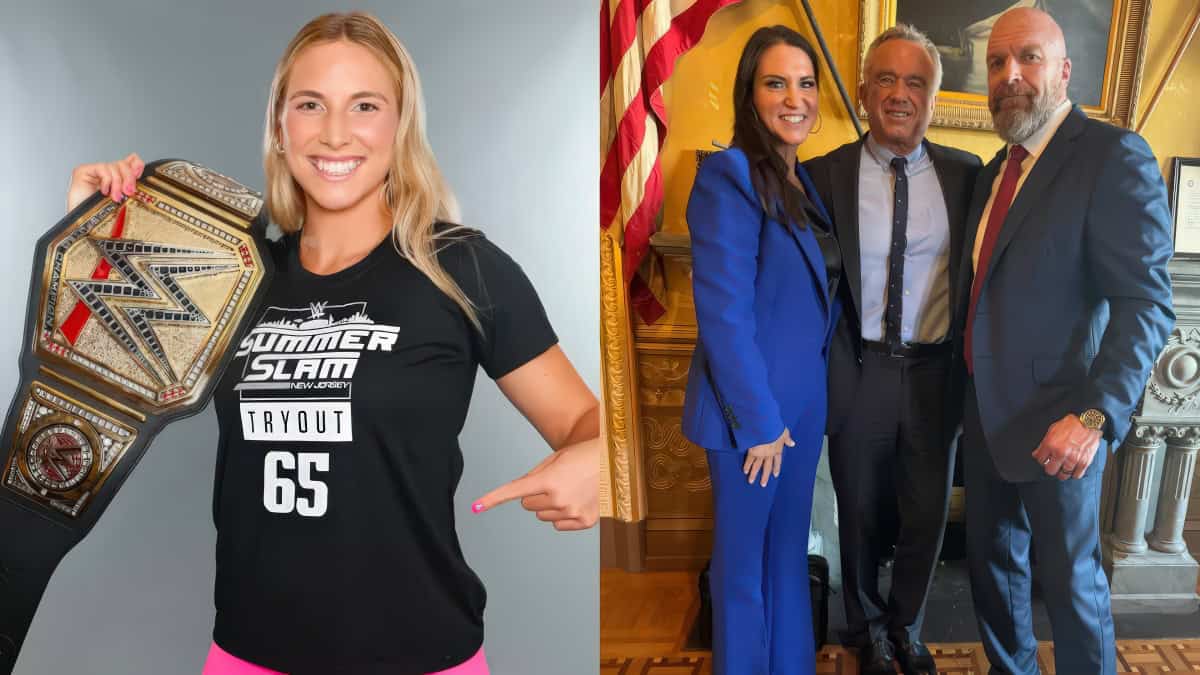
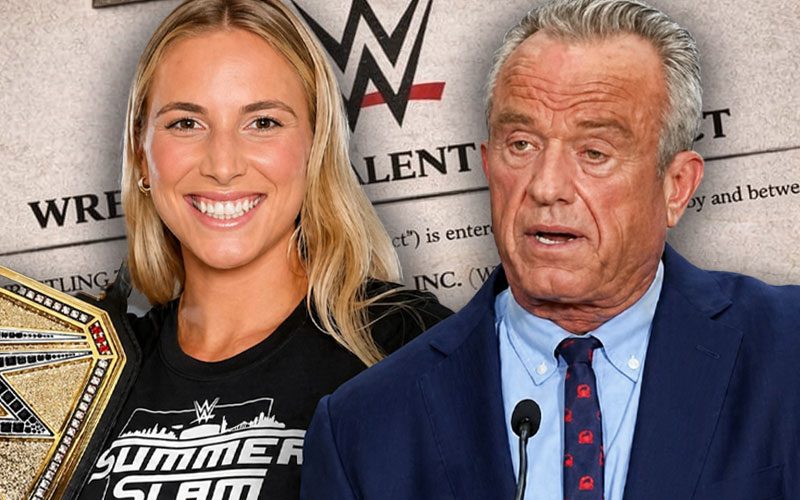
WWE recently confirmed the signing of Zoe Hines into its developmental system, but the optics suggest this transaction was less about in-ring potential and more about external optics. Sources indicate that internal morale is fraying as the company navigates external pressures involving her uncle, RFK Jr. When an organization like WWE moves outside its typical scouting pipeline—which usually evaluates talent based on specific athletic metrics and years of independent circuit experience—the internal risk increases significantly.
Consider the standard developmental vetting process. On average, only 3% of recruited athletes from outside the traditional wrestling bubble transition into a main roster broadcast role within two years. By forcing a candidate into the Performance Center under political duress, as reported by F4WOnline, the company risks stagnating the vertical mobility of homegrown talent who have spent thousands of hours perfecting their craft away from the spotlight.
The institutional disconnect
Institutional reputation is built on the meritocratic perception that the best performers eventually get the push. When personnel decisions are dictated by political entities, that perception evaporates. We have seen reports across multiple outlets confirming that the decision to bring Hines on board was essentially a forced hand. This creates a bottleneck in training capacity.
Performance Center space is finite. Incorporating a signing that carries this much baggage occupies resources that could be allocated to high-upside prospects currently stalled in the undercard. Jim Cornette has been blunt in his assessment of the hire, labeling her an ultimate nepobaby in recent commentary. While Cornette’s rhetoric is often hyperbolic, the underlying metric is clear: veterans who earned their spot the hard way are noticing the deviation from standard operational procedure.
Statistical headwinds for non-traditional recruits
Historically, the probability of a late-stage developmental hire making a 0.5% impact on overall quarterly ratings is negligible unless they have deep, pre-existing in-ring experience. Hines enters the system with virtually none of the tenure expected at this stage of the company's expansion. Even when we analyze successful crossover stars like Logan Paul, their success was predicated on massive existing reach and intense, high-cost training camps.
Hines lacks that specific cultural footprint. As Ringside News noted regarding the feedback from industry insiders, the pressure to sign her is being viewed as a direct disruption to the locker room environment. When a company with 100% control over its internal creative and talent acquisition policies suddenly abdicates that authority to political interests, it signals a shift in priorities that shareholders should be monitoring. The reality is that for every politically motivated hire, there is a legitimate prospect sitting in the regional independent circuit with a track record of 200-plus matches who is now being overlooked.
We are watching a classic case of booking from outside the squared circle. If the talent does not deliver a high-quality performance by the time the next cycle of Performance Center cuts arrives, the company will have wasted a valuable roster spot. The political cost of the signing is a 10-day news cycle of backlash, but the operational cost could be years of lost developmental efficiency.