The post-WrestleMania purge hits different in the TKO era
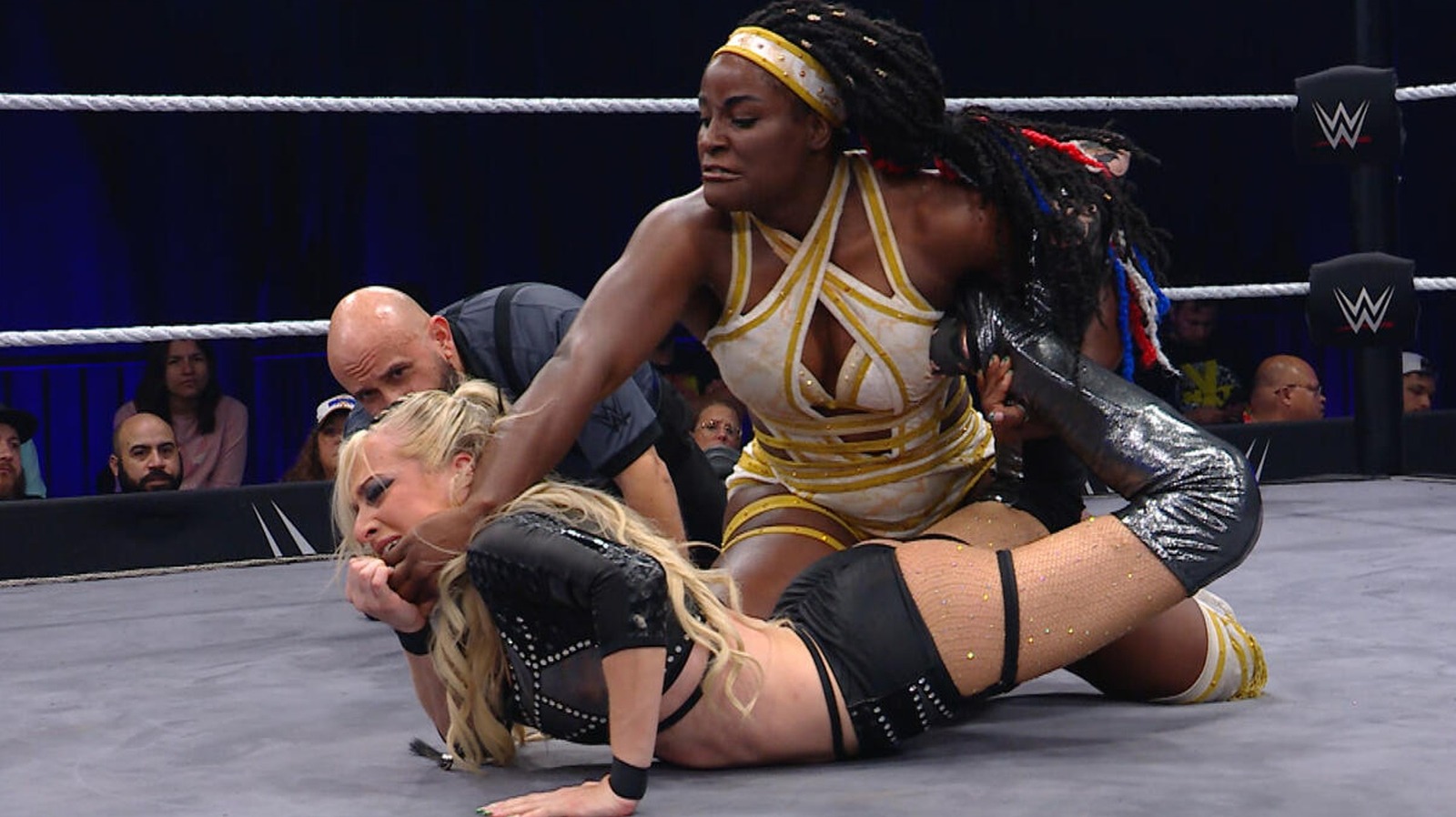
The annual ritual of the post-WrestleMania roster cuts used to feel like a clerical error. You’d see a few names from the 205 Live era or some developmental talents who hadn't touched TV in eighteen months get their walking papers. It was cold, but it felt predictable. That changed on April 24.
The latest wave of releases has sent a specific kind of shudder through the Gorilla position. We aren't just looking at 'budget cuts' anymore. We are looking at a fundamental shift in how TKO and Triple H value human capital. The timing, just ten days after Cody Rhodes successfully defended his title at Allegiant Stadium, is a brutal reminder that the honeymoon phase of the 'Levesque Era' is officially over.
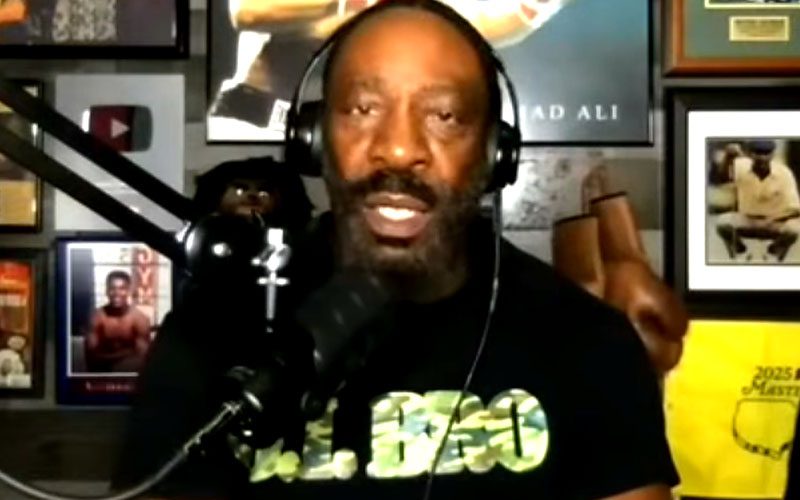
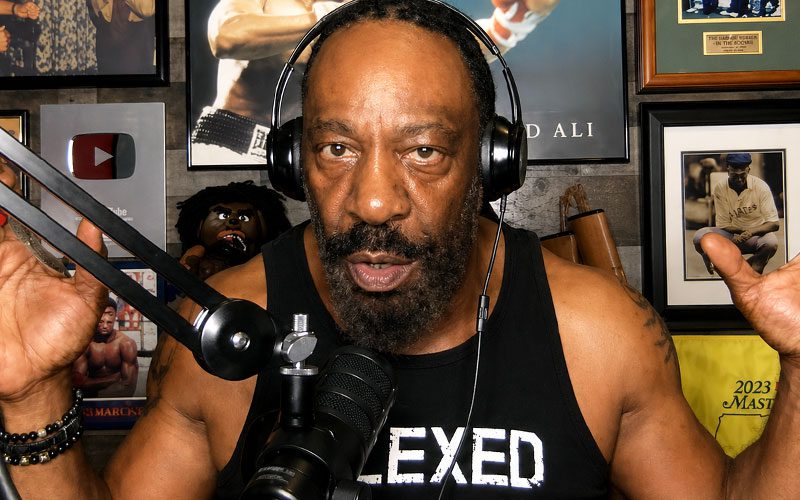
As Ringside News noted, even the veterans are starting to sound the alarm. Booker T isn't exactly known for being a locker room insurgent—he’s usually the first person to defend the corporate line. But when the two-time Hall of Famer says 'nobody is safe,' it’s time to stop looking at the mid-card and start looking at the top of the ramp.
The math behind Booker T’s warning
Booker T’s comments on his latest podcast weren't just hyperbole. They reflect a locker room atmosphere that has shifted from celebratory to survivalist in less than a week. The April 24 releases didn't just target the 'low-hanging fruit' of the roster. They removed pieces that many assumed were part of the furniture.
When you look at the metrics TKO is using, the traditional 'pro wrestling' logic goes out the window. It’s no longer about whether you can work a 15-minute clinic on Main Event. It’s about social media engagement, merch-to-minute ratios, and whether your presence on the roster justifies the travel and insurance overhead in a post-merger world.
The reality is that WWE has bloated its roster with 'insurance policy' talent—wrestlers who are kept around just in case a main eventer gets injured. TKO seems to have decided that they’d rather take the risk of a thin roster than pay for the redundancy. If you aren't currently in a top-three program on Raw or SmackDown, your seat just got significantly hotter.
The Backlash pressure cooker
This puts an incredible amount of weight on WWE Backlash on May 9. Usually, the first PLE after WrestleMania is a bit of a victory lap. It’s a series of rematches and 'thank you' wins. Not this year. For the talent booked on the Lyon card, this isn't just a payday; it's an audition to keep their lockers.
Take the mid-card title scenes. We saw several workers at WrestleMania 41 who put in high-workrate performances but failed to generate that 'viral' moment the office now craves. If you’re hitting a 450 splash and it’s only getting a polite round of applause from the front row, the spreadsheets in Stamford are going to flag your name for the next meeting with Nick Khan.
There is a growing sense of resentment among some of the tenured staff. The 'workhorse' culture that Triple H supposedly championed during his time in NXT is being eroded by the cold, hard efficiency of the TKO board. It’s hard to build a locker room culture when everyone is looking over their shoulder at the HR department.
The casualty of depth
The most critical observation one can make about this strategy is the total destruction of roster depth. We saw this during the 2021 releases under the previous management—once you cut the middle out of your roster, you force your top stars to work more matches with the same opponents. We are staring down the barrel of another era of 'rematch exhaustion.'
If you release the talented three-star generals who make the main eventers look like gods, the product eventually suffers. You can't have a Cody Rhodes or a Roman Reigns without a rotating cast of credible challengers. By thinning the herd on April 24, WWE has effectively told its audience that only the top 10% of the roster actually matters. It’s a short-term gain for the quarterly earnings call that will lead to a long-term creative drought.
We are already seeing the impact on the house show loops. The quality of the B-show cards has plummeted because the reliable hands who could go 20 minutes with anyone are being swapped out for cheaper, less experienced NIL recruits. It’s a dangerous game to play when ticket prices are at an all-time high.
What to watch for in Lyon
At Backlash, watch the body language of the talent in the opening matches. You can usually tell when a wrestler is working 'safe' because they’re worried about their spot. Conversely, keep an eye out for those who are clearly over-delivering to a dangerous degree. When people feel their jobs are on the line, they start taking risks with their bodies that aren't sustainable.
The Cena farewell tour is also casting a long shadow. As John Cena prepares to hang it up later this year, there is a scramble to fill that 'legend' vacuum. But you don't create the next Cena by firing the people who are supposed to lose to him on the way up. The April 24 cuts removed several names that could have been perfect foils for Cena's final run.
It is particularly disappointing to see the tag team division get gutted once again. We just saw a renaissance of tag team wrestling over the last twelve months, and now it feels like we’re heading back to the days of 'two random singles stars thrown together' because the actual teams have been released.
The prediction: A second wave is coming
I don't think Booker T was being hyperbolic—I think he was being a messenger. Everything about the current corporate structure suggests that the April 24 releases were just the first half of the 'Spring Cleaning' phase. There is a second list, and it’s currently sitting on a desk in Stamford waiting for the May 9 feedback.
If you don't 'pop' the crowd in Lyon, you might not make it to the June television tapings. My prediction is that we will see another 8 to 10 releases before the end of May. The criteria will be simple: If you haven't been on TV in the last three weeks, or if your merch sales haven't increased by 15% since January, your time is up.
The irony is that this 'nobody is safe' mentality might actually produce better matches in the short term as people fight for their lives. But it will leave the locker room broken. You can’t build a 'New Era' on a foundation of fear. Eventually, the talent will start looking at the other side of the fence, where AEW and the indies are waiting with open arms and a lot less corporate scrutiny.
Own the prediction: Expect the next wave of 'Future Endeavors' on Monday, May 11, less than 48 hours after the Backlash dust settles. The 'Levesque Era' is proving to be just as ruthless as the one that preceded it—it just has a better PR department.
Read Next
- WWE just trademarked Nox Raijin and it signals a violent roster addition
- SmackDown returning to two hours won't save the Backlash build
- WWE is finally trimming the fat on these bloated factions
- Triple H is using AI to write storylines and we should all be terrified
- 💥 WWE Backlash 2026 — Full Coverage Hub