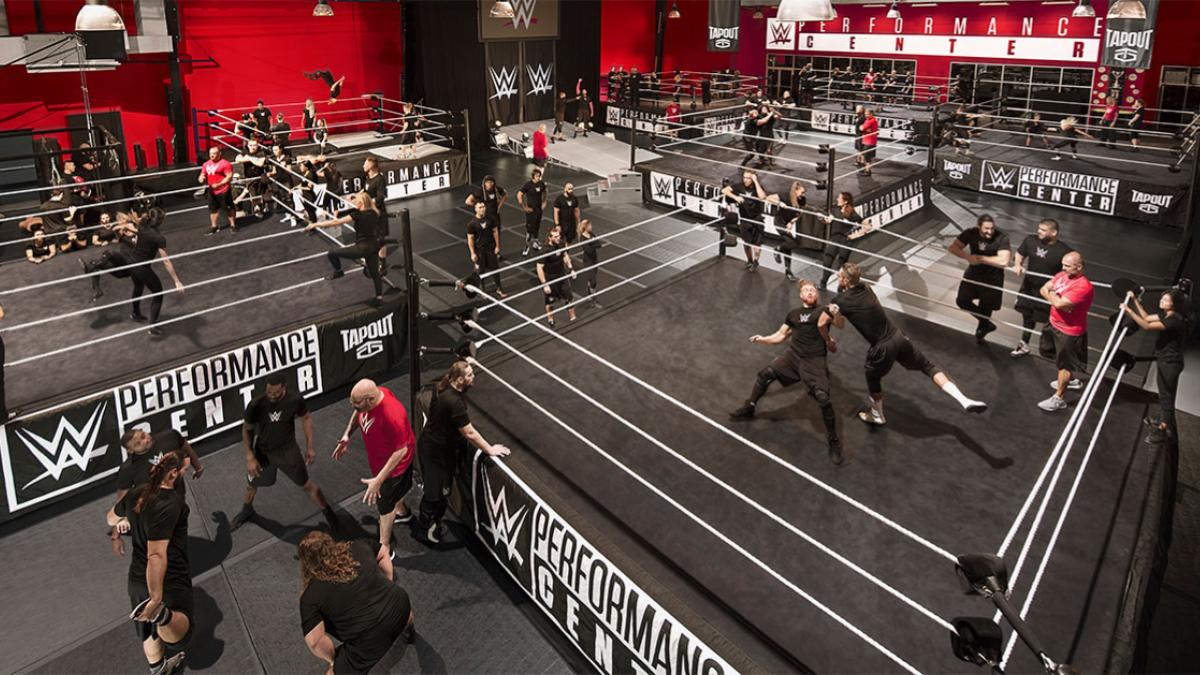
The East London warehouse of broken dreams
The warehouse in East London doesn't smell like the O2 Arena. It doesn't have the pyrotechnics, the crisp LED screens, or the roar of 16,000 fans. Instead, it smells of stale sweat and the kind of quiet desperation that only exists when thirty people realize their life's ambition is being judged by a man with a clipboard and a stopwatch.
As WrestleTalk recently confirmed, WWE is back in the UK for another round of talent scouting. It’s a familiar routine. They fly in a few scouts, rent a ring, and put a group of hungry athletes through a meat grinder for three days. The goal is simple: find the next Gunther or the next Rhea Ripley. The reality is much bleaker.
For the candidates involved, this is the most high-stakes job interview on the planet. One candidate already commented on the intensity of the sessions, noting that the pace never lets up. This isn't about who can pull off a 450 splash. It's about who doesn't vomit during the 9 AM cardio drills. WWE isn't looking for wrestlers anymore; they are looking for survivors.
The scouting model has shifted to the track and field
The death of the 'Indy Darling' recruitment
Gone are the days when a decade on the independent circuit was your ticket to the big time. Under the current regime, the scouting filter has moved away from the VFW halls and toward the Olympic training centers. If you can’t run a sub-six-minute mile, the scouts probably won't even look at your wrestling tape.
The current crop in London reflects this shift. We’re seeing former rugby players, collegiate sprinters, and powerlifters who have never taken a back bump in their lives. The logic is that you can teach a world-class athlete how to take a vertical suplex, but you can’t teach a 160-pound technician how to be 6'4" and 250 pounds. It’s a cold, clinical approach to human capital.
This reliance on raw athleticism over ring psychology is a gamble. For every Bron Breakker who takes to the business like a fish to water, there are a dozen nameless prospects who wash out within six months. They realize that being 'a natural' at sports doesn't mean you can tell a story with your eyes while someone is twisting your ankle in a submission hold.
The ghost of NXT UK still haunts the British scene
We have to address the elephant in the room: the last time WWE did this, they effectively killed the British independent scene. By signing every name with a pulse to an NXT UK contract, they drained the life out of promotions like RevPro and PROGRESS. They created a monopoly that eventually collapsed under its own weight, leaving dozens of talented workers without a platform when the brand folded.
Now, they’re back for seconds. But the landscape—sorry, the environment—is different now. The top-tier talent in Europe has grown skeptical. They’ve seen their friends sit in catering for two years before being released in a batch of 'budget cuts.' There is a lingering resentment that isn't easily wiped away by a developmental contract and a plane ticket to Florida.
The quality of the candidates this time around feels thinner. The 'can't-miss' prospects are already in AEW or have carved out lucrative careers in Japan. WWE is left picking through the wreckage of a scene they helped destroy, hoping to find a diamond they missed the first time. It feels less like a talent search and more like a desperate attempt to maintain a presence in a market they are losing to local upstarts.
The physical toll of the three-day grind
The three-hour cardio wall
The first day of a WWE tryout is designed to make you quit. They start with 'The Grind,' a relentless series of squats, burpees, and sprints that lasts for nearly **four hours** without a meaningful break. If you look at the clock, you've already lost. The scouts watch for the moment an athlete's posture breaks or their eyes glass over.
Once the physical threshold is met, they move to the 'Rolls.' They teach a basic front roll and a back bump, then make the candidates do them hundreds of times. By the end of the first day, most of these athletes have bruises the size of dinner plates on their lats. It’s a test of pain tolerance more than technique. They want to see who comes back on day two with a smile on their face.
The final stage is the 'Promo.' This is where the real embarrassment happens. They take a 280-pound defensive lineman and tell him to scream at a camera for sixty seconds about why he's 'the best in the world.' It’s cringeworthy, it’s forced, and for **90 percent** of the room, it's the moment their WWE dream dies. Most people simply don't have the charisma to overcome the absurdity of the situation.
Why this recruitment drive feels different
With WrestleMania 41 in the rearview mirror and Backlash 2026 just nine days away, the company is in a transition phase. They need fresh bodies for the PC. The resurrected EVOLVE brand needs a new roster of rookies to feed the machine. But there’s a clinical coldness to this London camp that feels disconnected from the passion of the local fans.
There is no talk of 'the art of wrestling' here. It’s all metrics. It’s about social media following, vertical leap, and 'the look.' WWE is building a factory, and these London tryouts are just a way to source raw materials. The lack of established names in this camp is a glaring red flag. If the best people in the UK aren't showing up to the tryout, what does that say about the brand's reputation?
The biggest problem is the bottleneck. The Performance Center is already packed with athletes who can't get on TV. Adding another **30 athletes** to that backlog doesn't improve the product; it just creates more frustration. We are seeing a generation of wrestlers who are technically proficient but have no soul because they’ve been trained in a vacuum by coaches who only know the 'WWE way.'
The verdict on the London class
I’ve watched these cycles for years, and the pattern is always the same. Out of this group of thirty, maybe five will get a call-back. Two will get a contract. One will actually make it to NXT television. The odds are atrocious, and the rewards are increasingly questionable for anyone who actually cares about the craft of professional wrestling.
The most likely outcome for most of these kids is a one-way trip back to their local gym with a sore neck and a story about the time they almost made it. WWE gets to claim they are 'investing in the global market' while actually just doing some high-level tire-kicking. It’s efficient, it’s corporate, and it’s profoundly uninspiring.
My prediction: only **two years** from now, we will look back at this tryout and struggle to name a single person who graduated to the main roster. The talent pool is dry, and the fishing methods are outdated. WWE needs to stop looking for athletes who can wrestle and start looking for wrestlers who happen to be athletes. Until they make that distinction, these London camps will continue to be a waste of everyone's time.
Prediction: Of the current thirty candidates, only two will be signed to developmental deals by the end of May. Neither will be on a televised WWE program by 2028. This is a volume game, and the quality isn't there to justify the hype.