The Most Chaotic Timeline
I remember a time when the weirdest thing about WWE was a guy in a gold gimp mask named Goldust or a billionaire getting his head shaved at WrestleMania. We thought that was the peak of the circus. We were wrong. Welcome to 2026, where the wrestling business has officially merged with the world of K Street lobbyists and family dynasties that have nothing to do with the Anoa'i family tree.
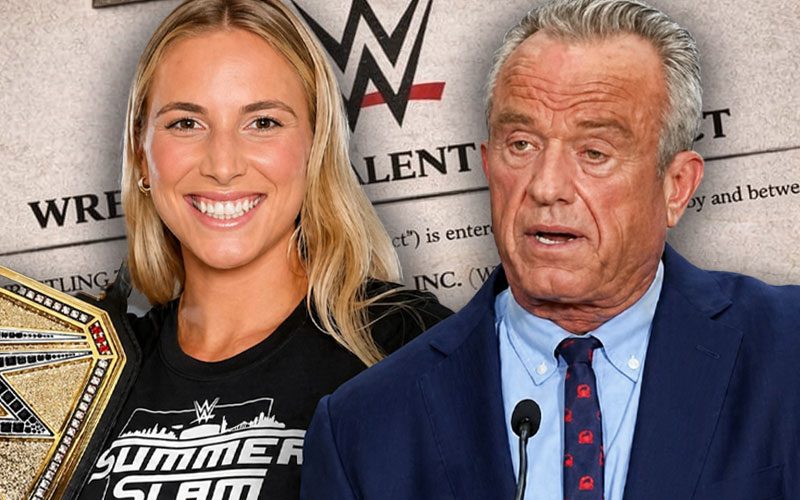
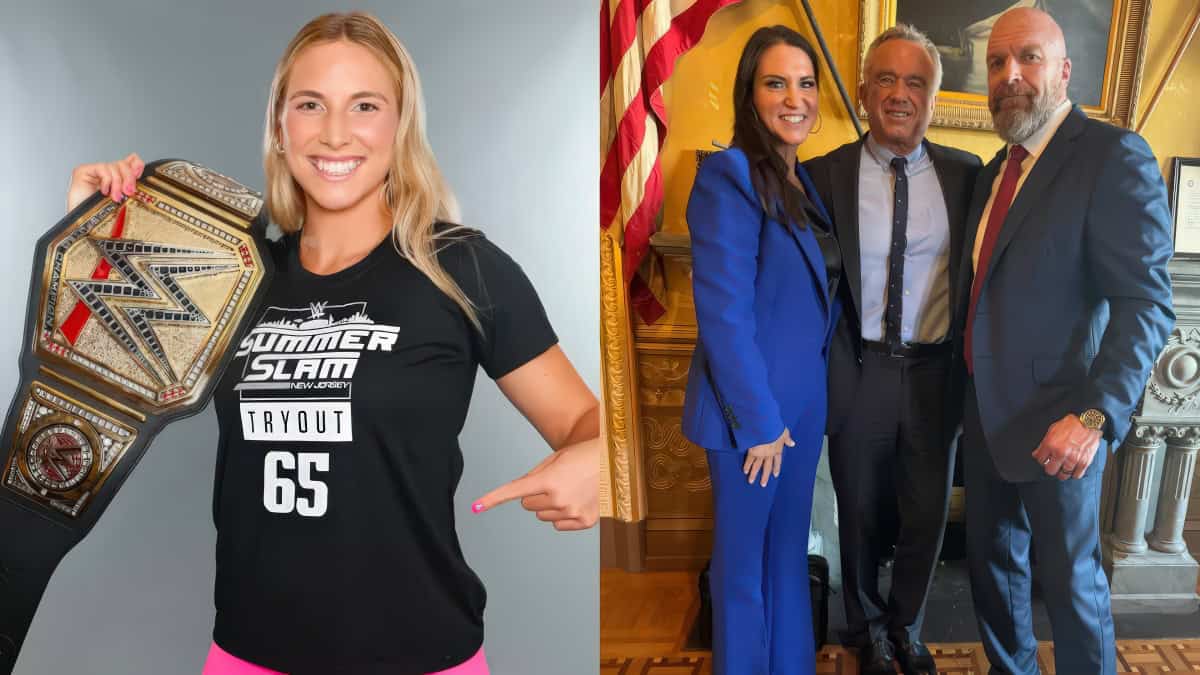
The reports surfacing from WrestlingNews.co suggesting that WWE was 'politically forced' to sign Zoe Hines—the niece of Robert F. Kennedy Jr.—is the kind of headline that makes you want to check if you accidentally ate some expired gas station sushi. It is absurd, it is messy, and honestly, it is the most predictable thing to happen in the TKO era. This isn't just a signing; it's a corporate sacrifice at the altar of political optics.
If you have been paying attention since the Endeavor merger, you know the vibe has shifted. The days of Vince McMahon signing someone because they were seven feet tall and looked good in a pair of trunks are gone. Now, we are in the era of Nick Khan and Ari Emanuel, where every roster spot is a line item on a spreadsheet that needs to justify its existence to a board of directors. And apparently, some of those justifications involve keeping certain political factions happy.
The Art of the Political Suplex
Let's talk about the 'forced' part of this equation. In the old world, 'forced' meant a sponsor wanted a specific guy to hold the title. In the TKO world, 'forced' feels much more like a backdoor deal involving tax breaks, zoning permits for the next big stadium show, or maintaining relationships with powerful families. The RFK Jr. connection isn't just a fun piece of trivia; it is the entire reason we are even talking about a person who, until four years ago, probably couldn't tell you the difference between a wristlock and a wristwatch.
Zoe Hines might be a world-class athlete for all we know, but that is secondary. The optics of having a Kennedy-adjacent figure on the payroll during a massive election year and a period of corporate expansion is a strategic play. It is a shield. It is a way for TKO to signal that they are 'players' in a world that extends far beyond the four corners of a ring. But for those of us who actually care about the product on the screen, it feels like a slap in the face to every kid currently grinding away in a cold armory in Ohio.
Why TKO Does Not Care About Your Work Rate
The hardcore fans—the ones who spend their Saturday nights arguing about five-star ratings on Cagematch—are going to hate this. They are going to point to the fact that there are dozens of women on the independent circuit who can outwork 100 percent of the current Performance Center class. They are right. But TKO is not running a wrestling company; they are running an entertainment conglomerate that happens to use wrestling as its primary engine.
When Nick Khan looks at the roster, he isn't looking for the next Mitsuharu Misawa. He is looking for a way to maximize the brand's reach. A Kennedy niece brings headlines. She brings mainstream media attention that a technically proficient wrestler from the UK indie scene simply cannot. It is cynical, it is corporate, and it is exactly how the biggest players in the world operate. They are trading credibility for clout, and they are doing it with a smile on their faces.
The Locker Room Cold War
Here is the part that no one in the corporate office wants to talk about: the locker room. I have talked to enough people in this business to know that 'political hires' are about as popular as a case of MRSA in the training room. When you have people like Lyra Valkyria or Tiffany Stratton who have spent years perfecting their craft, seeing a roster spot go to someone because of their last name is a massive morale killer.
WWE has spent the last few years trying to convince us that the Performance Center is a legitimate sports science facility where only the best of the best survive. This signing nukes that narrative. It tells the locker room that you can hit the gym, study the tape, and have the best matches of your life, but you will still lose out to someone with the right phone number in their contacts list. It is a return to the 'celebrity' era of wrestling, but with a much darker, more corporate edge.
The frustration isn't just about Zoe Hines herself. She might be a hard worker. She might actually respect the business. But she is entering a situation where she has a target on her back from day one. Every mistake she makes will be magnified. Every missed spot will be cited as proof that she doesn't belong. It is a high-stakes gamble for her, and a low-risk play for WWE, which tells you everything you need to know about how much they value their talent as actual human beings.
The Death of the Meritocracy Myth
We love to pretend that pro wrestling is a meritocracy. We love the stories of the guys who started with zero dollars in their pocket and worked their way to the main event of WrestleMania. But the Zoe Hines signing is a cold bucket of water over that fantasy. It reminds us that WWE is a multi-billion dollar entity that answers to shareholders, not fans. If Ari Emanuel thinks signing a political niece helps the bottom line, he will do it every single time, regardless of whether she can take a back bump.
This isn't just about one person; it's about the direction of the entire industry. We are seeing a move away from 'wrestling' and toward 'brand integration.' We saw it with the Logan Paul signing, which, to be fair, actually worked out because the guy turned out to be a natural. But Logan Paul had a massive following before he ever stepped foot in a ring. What does Zoe Hines bring besides a famous uncle and a report that says WWE was 'forced' to take her?
It is a dangerous precedent. If the political pressure worked this time, what stops it from happening again? Are we going to see the children of senators getting developmental contracts because their parents helped secure a tax break for a show in Saudi Arabia? It sounds like a bad plot from a straight-to-DVD movie, but in 2026, it is the reality of the business. The line between the ring and the boardroom has been completely erased.
Final Thoughts from the Bar
Look, I want to be wrong. I want Zoe Hines to show up at the Performance Center, work her tail off, and become the next great female superstar. I want her to prove that she belongs there on her own merits. But when the lead-in to her career is a report about political coercion, she is starting behind the eight-ball. It’s hard to root for a 'forced' signing when there are so many people who would give anything for that opportunity.
WWE is currently flying high after a massive WrestleMania 41, but moves like this feel like a step backward into the murky waters of the 90s. It’s the kind of decision that feels smart in a boardroom in Century City but looks terrible under the bright lights of an arena. At the end of the day, the fans are the ones who decide who is a star, and they have a very long memory for people who were handed a golden ticket they didn't earn.
We are nine days away from Backlash, and instead of talking about the fallout from the CM Punk match or Cody Rhodes' next challenger, we are talking about federal-level political shenanigans. That is a failure of booking, even if the booking happened in an office instead of a creative meeting. WWE needs to remember that while they are a global media powerhouse, they are still a wrestling company at heart. And in wrestling, you can't fake the work forever.
"If you think the wrestling world couldn't get more surreal, welcome to the latest episode of TKO’s chaotic fever dream."
The Zoe Hines era is here, whether we like it or not. I'll be watching, mostly because I can't look away from a train wreck, but I won't be surprised when this ends up as a footnote in a future documentary about why the TKO era eventually lost its soul. Grab a drink, folks. It's going to be a long year.