Measuring the value of the familiar roster face
In the professional wrestling industry, the return of a former talent is often treated as a major creative pivot. Yet, the data suggests that most returning performers occupy a specific space within the card. Analyzing moves like the 2020 departures and subsequent cycles shows that companies frequently lean into nostalgia to fill gaps created by roster attrition.
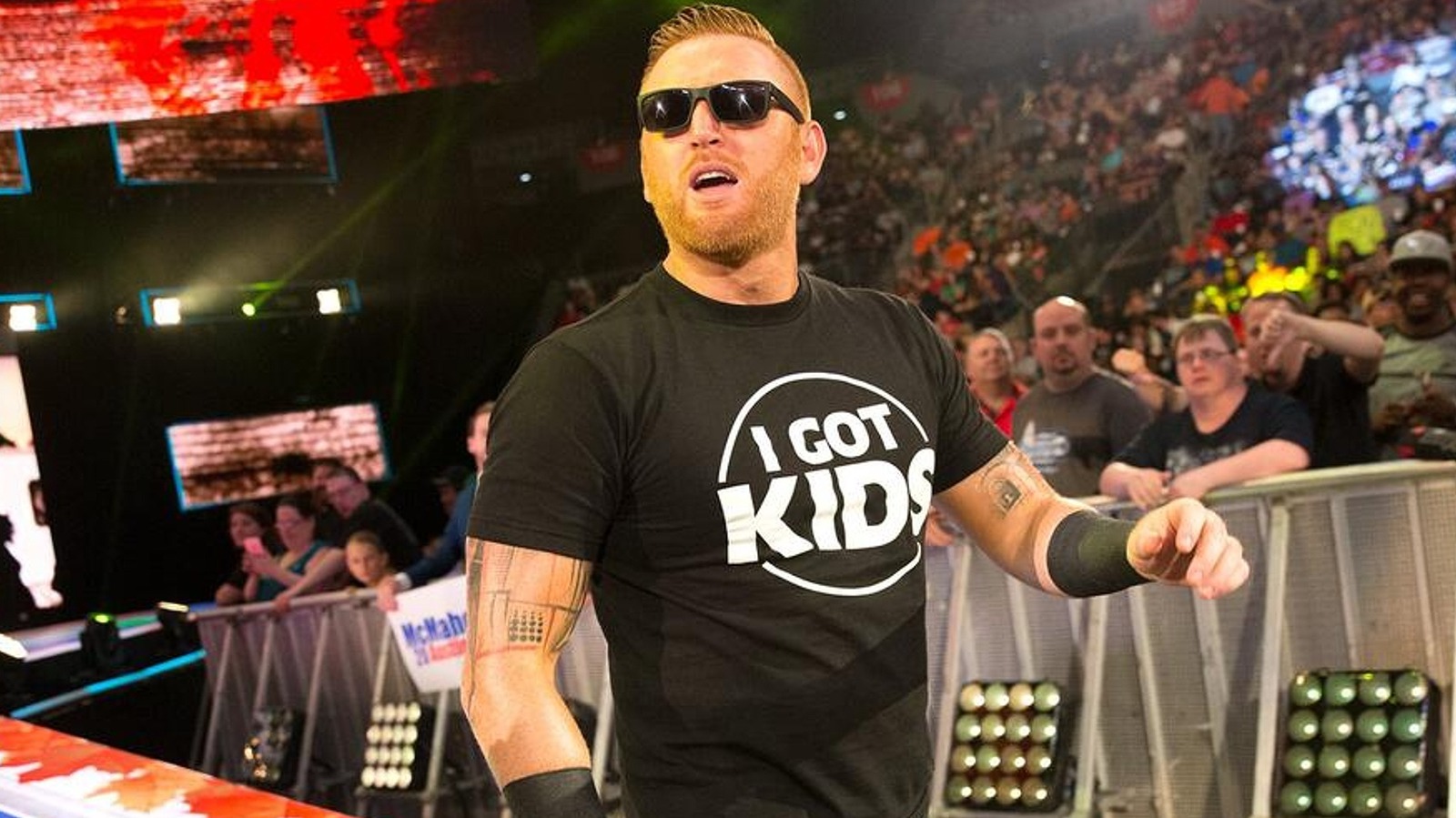
Reports surrounding potential returns for the likes of Heath Slater, as noted by Wrestling Inc, highlight a pattern of engagement with talent who had lengthy original tenures. Slater spent years operating in the mid-card, a role essential for building the profiles of newcomers. These veterans provide a level of consistency that younger, less seasoned performers often lack.
The statistical impact of the commentator-competitor transition
Why veterans move to the booth
Wade Barrett provides an interesting case study for the value of long-term roster loyalty. Since 2020, he has shifted from the ring to the broadcasting booth, covering roles on Monday Night Raw, Friday Night SmackDown, and NXT. As WrestleTalk recently analyzed, this transition allows talent to maintain public visibility while reducing the physical toll of in-ring performance. Maintaining a 100% presence on screen while transitioning roles is a strategy to keep talent within the company's orbit.
However, this shift creates a notable roster imbalance. When a seasoned hand like Barrett moves to commentary, there is a vacuum in the mid-card that must be filled. The company is forced to trade reliability for speculative potential. It explains the desperate reach for name-value returns through trademark filings often spotted in public records.
The trademark indicator as a predictive tool
Reading the fine print of intellectual property
Trademark applications are increasingly acting as early warning signs for roster adjustments. A recent filing analyzed by WrestleTalk and echoed by reports from Ringside News regarding Baron Corbin suggests that management is prioritizing re-acquisitions. This strategy is not merely sentimental. It is a calculation of cost versus market familiarity.
Bringing back a former United States Champion provides immediate brand recognition for a lower marketing cost than building a new character from scratch. The 2020 release window was a period of high turnover, which in retrospect created a supply of talent now re-entering the market pool. This cycle of release and return creates a volatile environment where roster stability is rarely achieved. The reliance on past stars instead of focusing on long-term development remains a significant structural flaw.
The flaw in the rotation model
The fixation on returning talent ignores the 0% growth rate in new main-event level stars that occurs when resources are prioritized for legacy acts. While names like those mentioned in current filings bring initial interest, they do not solve the underlying lack of depth in the current roster. Fans seeing the same names recycled over half a decade eventually leads to diminishing returns in crowd engagement.
A business model that leans on a 5-year recurring cycle of departures and re-signings is effectively spinning its wheels. It avoids the risk of building new names while offering diminishing returns on match quality. For a promotion to flourish, the goal must be identifying the next wave of performers, not just checking trademarks to see who has been released previously.