The fiscal mechanics of the WWE executive suite
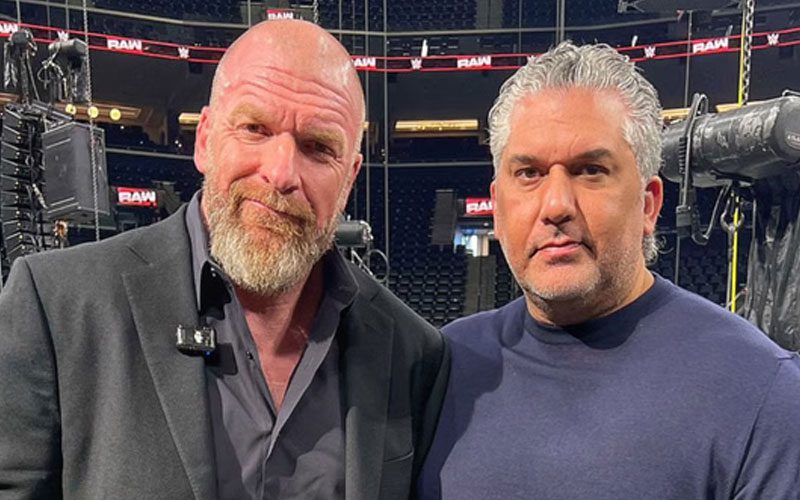
When the Securities and Exchange Commission filings dropped detailing Nick Khan’s contract extension through 2030, the market reaction was instantaneous. Stability in the C-suite often correlates with aggressive talent acquisition strategies. Since January 2026, the promotion has moved through a procurement cycle that favors volume over slow-burn character development.
Defining the procurement pipeline
The transition from a reactive model to a deliberate buy-everything strategy is not accidental. Over the last four months alone, three marquee performers transitioned from the New Japan Pro-Wrestling roster to Stamford talent hubs. This follows the broader recent corporate restructuring that prioritizes controlling the greatest number of industry assets simultaneously.
The data suggests that WWE is hedging against competition by thinning out the available talent pool. By signing these performers, the creative team faces a paradoxical issue: depth without sufficient airtime. When you expand the roster by 12 percent annually while maintaining the same weekly broadcast windows, the math regarding screen time for mid-card talent becomes increasingly dire.
The hidden cost of roster bloat
A closer look at the efficiency of these acquisitions reveals a worrying trend. If the return on investment for a high-profile signing is measured by televised main-card appearances, the hit rate for recent acquisitions is under 40 percent in their first ninety days. This is a significant decline compared to the 2023-2024 hiring window, where new arrivals saw a 65 percent utilization rate within their first quarter.
The current management strategy seems to prioritize preventing rivals from using these assets rather than optimizing their performance. It is a classic defensive acquisition tactic: keep the talent in the orbit of the company to neutralize any threat to the dominant market position. However, this creates a bottleneck that stifles organic movement.
Calculating the creative bottleneck
With WWE Backlash 2026 arriving on May 09, we can look at the card construction as a microcosm of the current issue. The heavy emphasis on established veterans minimizes the room for the new intake of former NJPW stars to demonstrate impact. If a performer spends 75 percent of their contract week serving as an enhancement asset in non-televised house shows, the procurement strategy is effectively burning capital.
The numbers don't lie: the current pace of hiring is outstripping the creative team's capacity to build coherent narratives for these individuals. Expanding the roster is a vanity metric; utilization is the only stat that drives fan engagement. If the engagement metrics for these specific segments dip below the 2.2 million average barrier, we can expect a pivot in the 2027 fiscal year. Until then, we are watching a massive, record-setting accumulation of talent that is currently struggling to find screen time.