The treadmill of content production
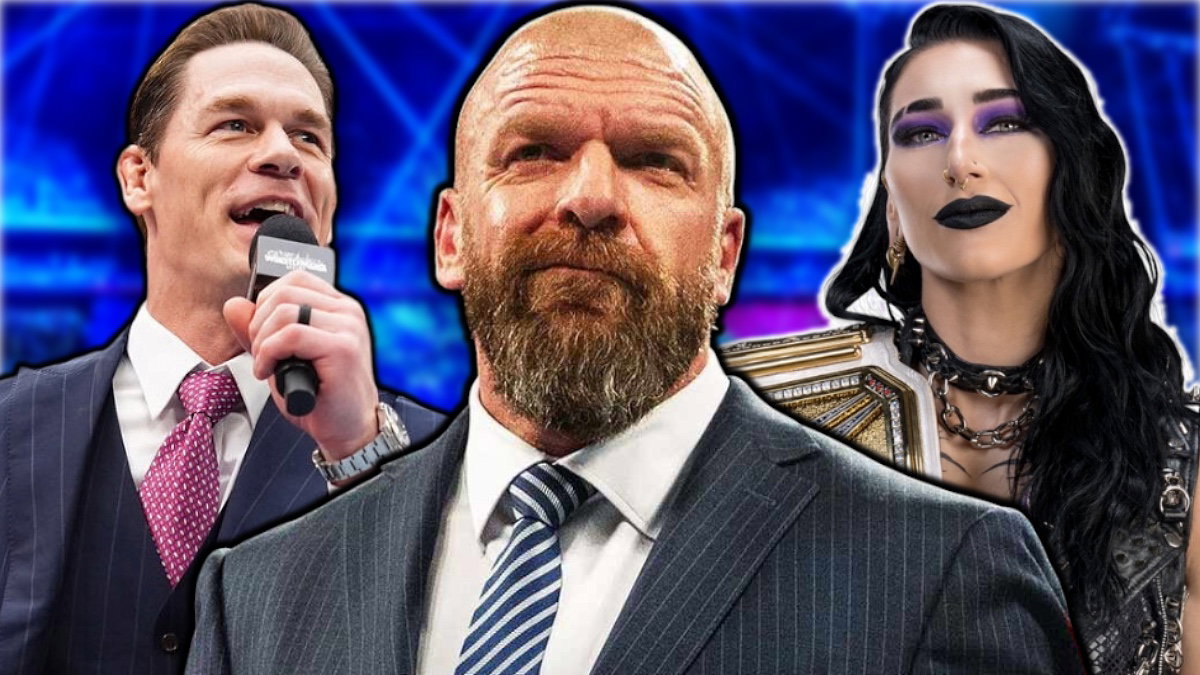
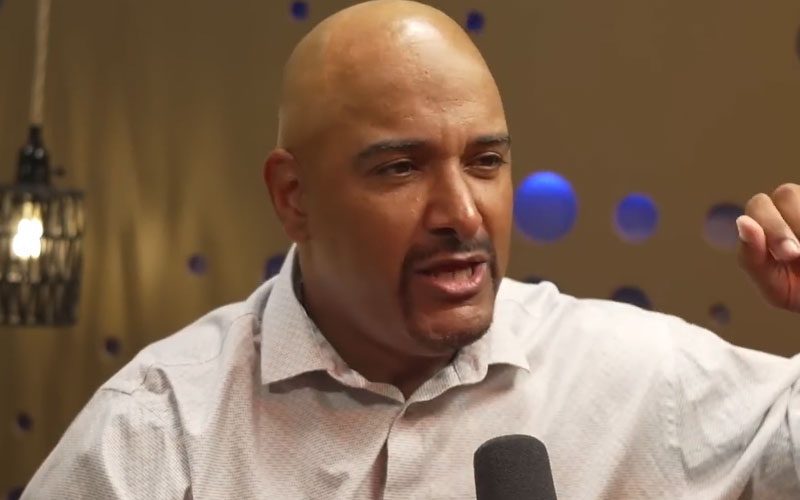
Jonathan Coachman is right on the money when it comes to the current disconnect between booking intensity and meaningful progression. As Ringside News reported, the relentless demands of a packed event calendar are forcing creative teams to cram developmental arcs into truncated windows. This churn isn't just exhausting the roster; it is fundamentally altering how fans consume pivotal moments.
We are watching storylines get aborted before they reach their logical climax. A championship feud requires time for nuance, but the current frequency of premium live events leaves little space for the slow burn. When the schedule forces a reset every four weeks, the audience stops investing in the build and starts focusing solely on the finish.
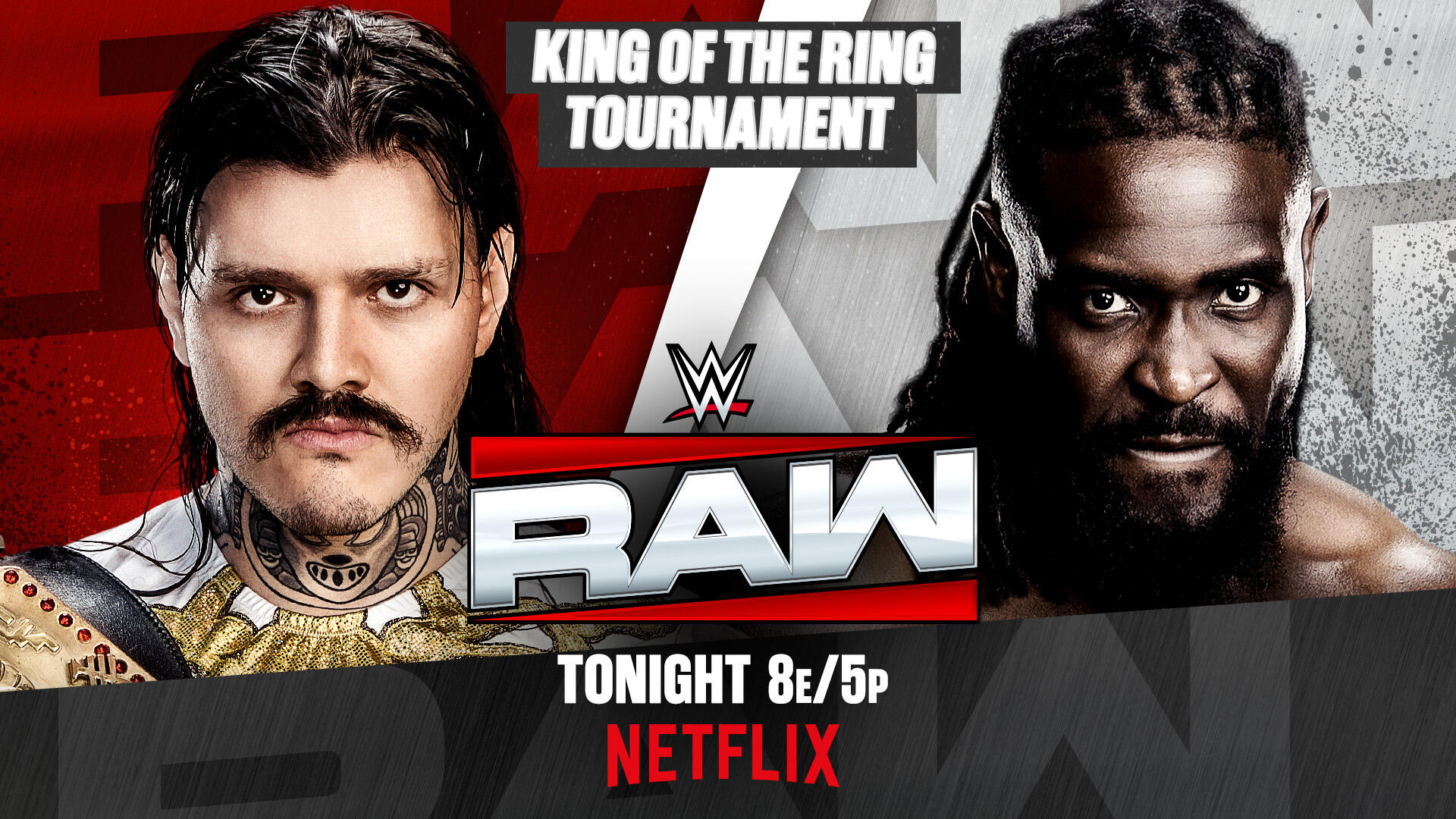
The Oba Femi booking debacle
The decision to have Brock Lesnar go over Oba Femi at Clash in Italy highlights this structural failure. While some, such as Jonathan Coachman, have come to the defense of the booking, the statistical evidence suggests a major miss. Femi was arguably the most momentum-rich performer on the mid-card, yet he was utilized as a prop to reinforce established equity.
Bringing back a veteran to halt the progress of an emerging talent is a relic of previous decades. It ignores the data regarding crowd heat and merchandise movement for newer stars. Femi’s loss wasn't just a scripted defeat; it was a tactical mistake that stalled one of the most promising developmental pushes of the year.
The main event vacuum
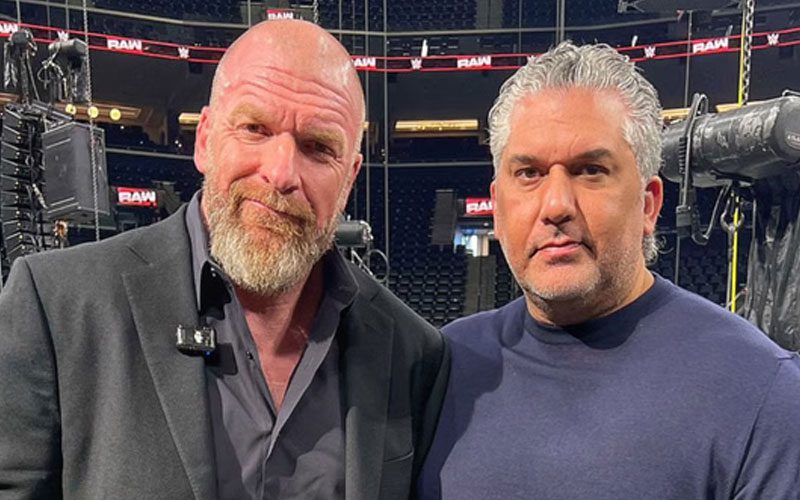
Nick Khan knows the next generation of stars is the only path forward, as noted in recent discussion at the Sports Business Journal World Congress of Sports. Yet, the strategy to force that production through sheer volume is flawed. You cannot manufacture legacy through rapid repetition or quick-fire title changes.
The current internal metrics for success are clearly skewed toward quarterly revenue rather than long-term character equity. By rushing this transition, the creative team is effectively capping the ceiling for young talent. When a wrestler does not have the runway to fail and recover, they almost always settle into a mid-card stasis.
Predicting the summer trajectory
Looking ahead toward the end of Q3 2026, I expect the reliance on part-time veterans will actually increase rather than decrease. Management will lean into familiar names to stabilize the numbers while they scramble to fill the void left by roster attrition. This will lead to further frustration with the main event scene.
Expect at least one marquee match involving a legacy performer to end in a non-finish or protected loss within the next 90 days. The booking will prioritize preserving brand equity over creating a true successor to the top of the card. It is a conservative strategy for a company that desperately needs to be aggressive.
My prediction? We are headed for a period of extreme creative volatility. The company will likely hit a viewership slump before they finally consolidate the roster around a core of 3-4 reliable, full-time stars. That transition, currently projected at 35 percent to be completed by year-end, remains the primary hurdle for the creative department.