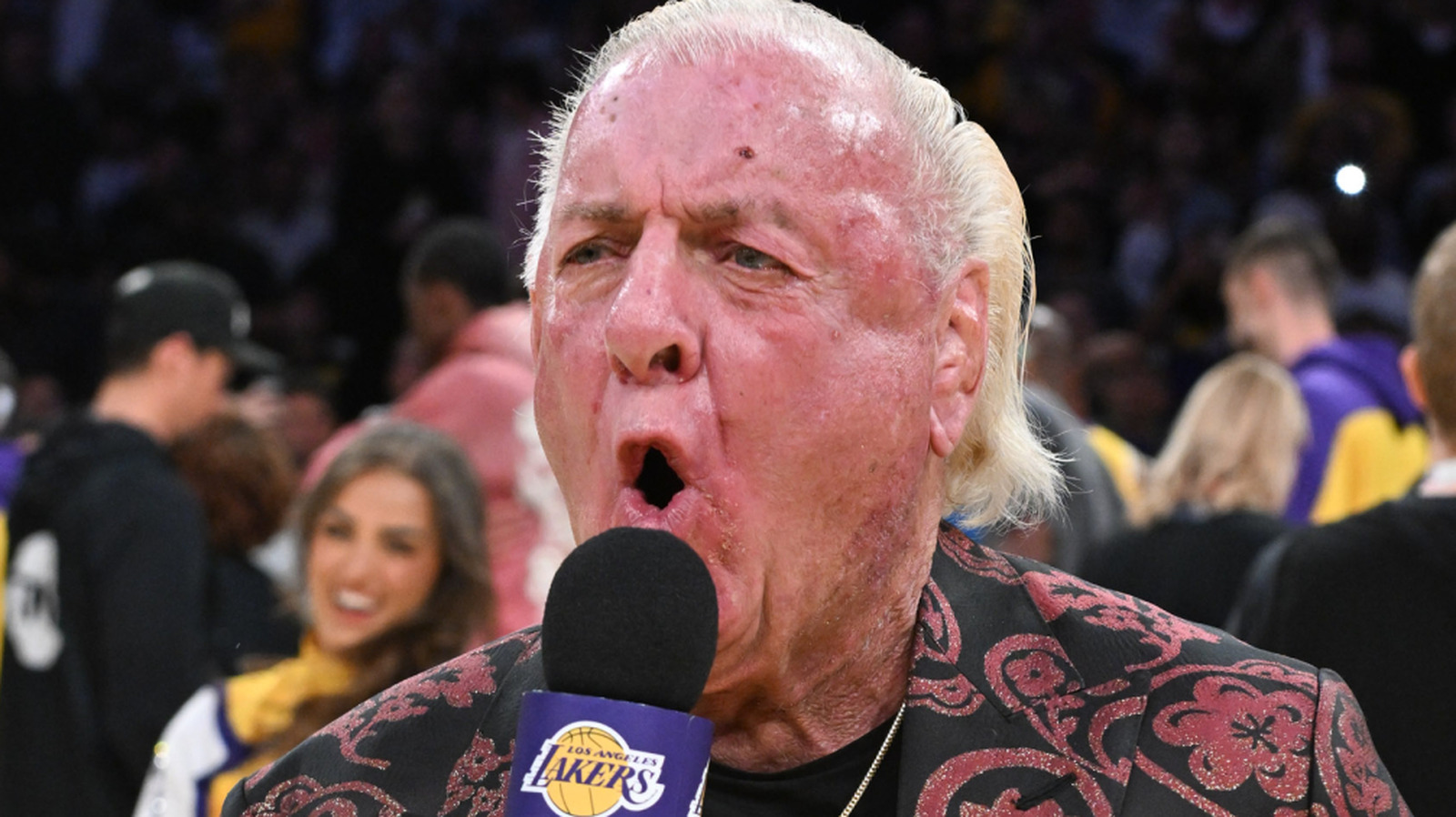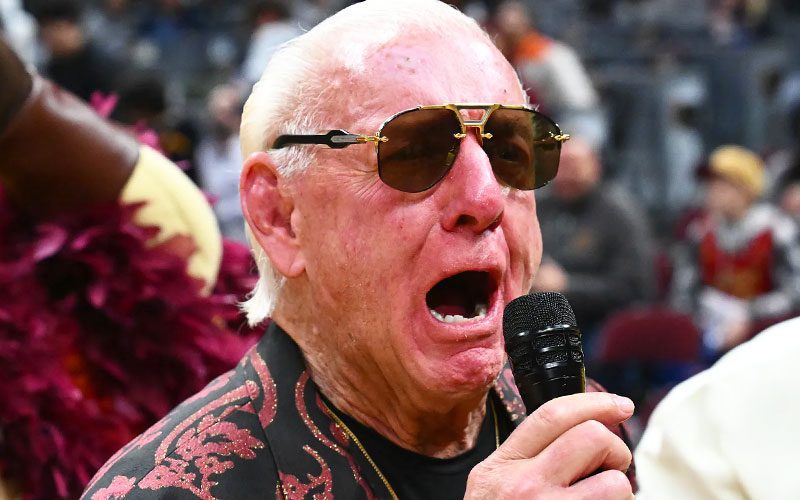
The Nature Boy draws a line in the sand
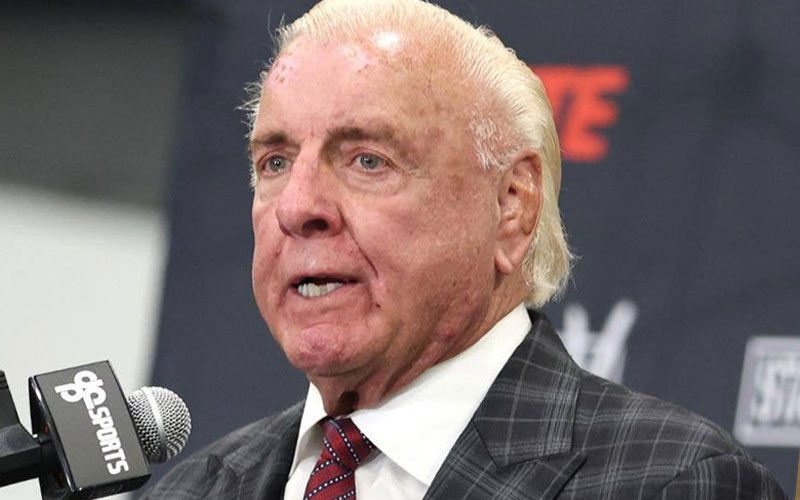
Ric Flair has finally reached his breaking point. After decades of being the centerpiece of professional wrestling, the 16-time world champion is no longer content to take the criticism directed toward his legacy quietly. He recently went public to address those who attempt to rewrite his history or minimize the physical toll he paid to define an entire era of the business.
This isn't about protecting a fragile ego. It is about a performer who spent years working a style that defined the golden age of territory wrestling deciding that the current crop of armchair analysts—who haven't taken a single bump—don't get to dictate the value of his career. Flair has always been polarizing, but watching him push back against the revisionist history is a reminder of how high the stakes were during his peak.
The cost of longevity and the weight of history
The discourse surrounding Flair often ignores the sheer volume of his output. During the peak years of the Mid-Atlantic circuit, the pace was brutal. Wrestling back-to-back nights in different cities with travel requirements that modern talent would find impossible was the norm. When you see him call out the detractors, you are seeing a man who equates his reputation with the actual labor of the craft.
Critics often point to his willingness to stay in the spotlight as a stain on his resume. They argue that the later years dim the brightness of the star that shone so vividly in the 1980s. Yet, looking at the data from the NWA era, his influence remains undeniable. As Ringside News recently detailed, he is determined to hold his ground against those pushing these negative narratives.
The irony is that the same people criticizing his current state are often the ones who study his tape to learn how to structure a sixty-minute Broadway. There is a disconnect between the respect for the work and the treatment of the man. Watching this conflict unfold makes me wonder if we have reached a point where the industry has moved so far from the territory model that it fundamentally lacks the context to judge the architects of the past.
Predicting the legacy battle
I predict that Flair eventually stops engaging with the online noise entirely once he realizes that the vitriol is a cycle designed to keep him relevant in social algorithms. His legacy in the history books is set—it is written in the blood, sweat, and TV ratings of the 1980s and 1990s. The critics will forget this controversy by next month, but the matches he pulled off against Steamboat and Funk in the 1989** timeframe will endure.
The frustration visible in his latest comments is a sign of a man who knows his window is closing, but his pride remains as sharp as his chops. Expect him to lean harder into his status as a defiant icon. He is not going to apologize for his lifestyle or his career, and frankly, he shouldn't. The fans who understand the grind will keep cheering, while those looking for flaws will keep searching for something that isn't really there.