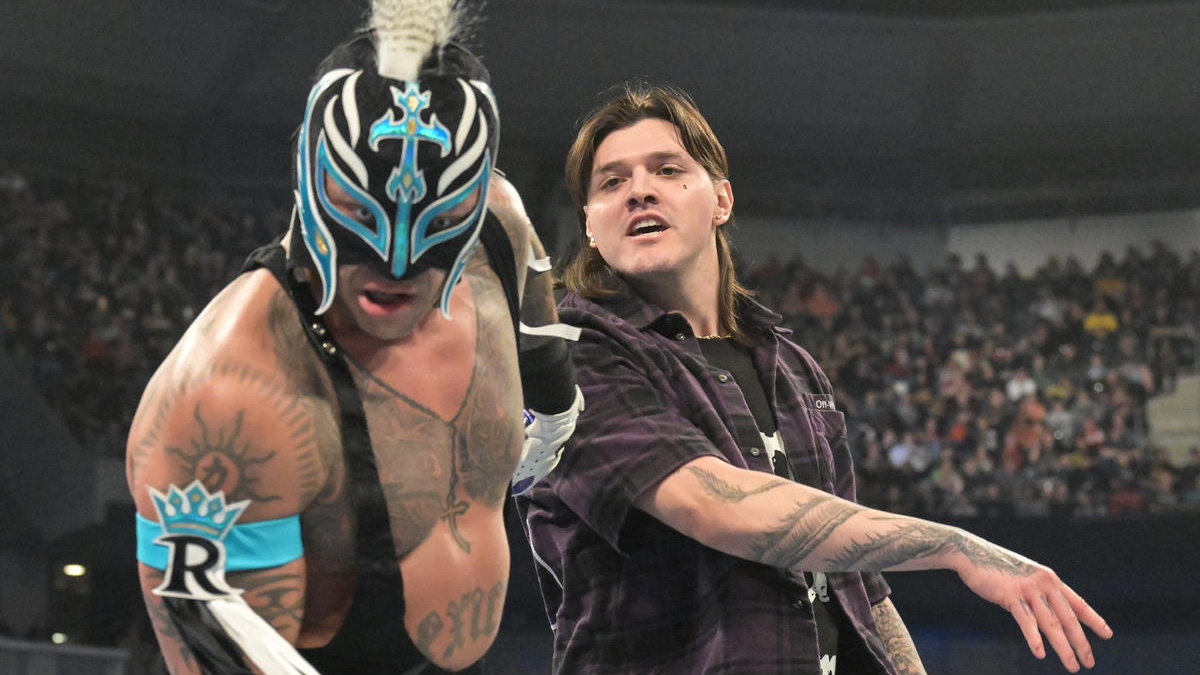
The physical toll of the 2026 road cycle
Professional wrestling remains a sport of attrition. As of July 19, 2026, the cumulative physical fatigue on the active roster has reached a flashpoint. Following the intense spring schedule, locker room reports outline a tightening rotation and a high number of maintenance-related absences.
The training facilities in Orlando are currently operating at near-maximum capacity. The cycle of high-impact television taped on consecutive days has exposed depth charts that looked robust in January but appear frayed mid-way through the summer. Athletic trainers are observing a spike in soft-tissue injuries consistent with travel-heavy stretches.
Historical context and performance management
This reality is not new, but the 2026 calendar has amplified it. During past eras, talent often worked through minor meniscus tears or labrum fraying, but the current internal medical protocols prioritize long-term availability over short-term participation. This shift began in earnest following the post-pandemic talent refresh.
We saw similar attrition during the mid-2023 cycle, which forced creative to pivot away from marquee programs on short notice. The current management style favors a rotating main event scene versus the iron-man schedules that defined the mid-2010s. While this preserves bodies, it prevents the long-term momentum that established stars formerly used to build legacies.
The crossover factor and non-wrestling risks
Risk management extends beyond the ring. Athletes like Karl-Anthony Towns appearing at Saturday Night’s Main Event at Madison Square Garden highlights the growing intersection of cross-promotional appearances. While these moments generate buzz, they introduce uncontrolled environments where talent interact with celebrities or fans in unscripted, high-energy scenarios.
Critics point to the lack of specialized vetting for talent appearances. When an active performer engages in physical spots outside of sanctioned matches, the risk of injury skyrockets. Every unplanned leap or celebratory scramble carries a probability of disaster that corporate insurance departments prefer to avoid.
Strategic implications for the summer
The immediate consequence is a thinning of the mid-card. Creative is currently leaning on a smaller circle of durability-proven veterans to anchor segments. This creates a secondary problem: stagnation in the booking of lower-tier talent who are ready for a push but are being held back to ensure they don't break down before a meaningful feud can materialize.
Management is looking at a condensed autumn calendar to manage the injury debt incurred over the last four months. Sources indicate that off-screen performance coaching is being tweaked to emphasize plyometric recovery over pure lifting. The goal is clear: reduce the 14 percent variance in training load that has historically correlated with increased muscle strain during the dog days of July and August.
Expect to see more 'open training' sessions and fewer televised squash matches in the coming weeks. The company needs to conserve its human capital. If they fail to curb the frequency of these minor but nagging issues, the product will continue to feel disjointed. A roster at 85 percent capacity cannot deliver the high-octane sequences that the current audience demands. The window for corrective action is closing before the late-summer premium live events begin.