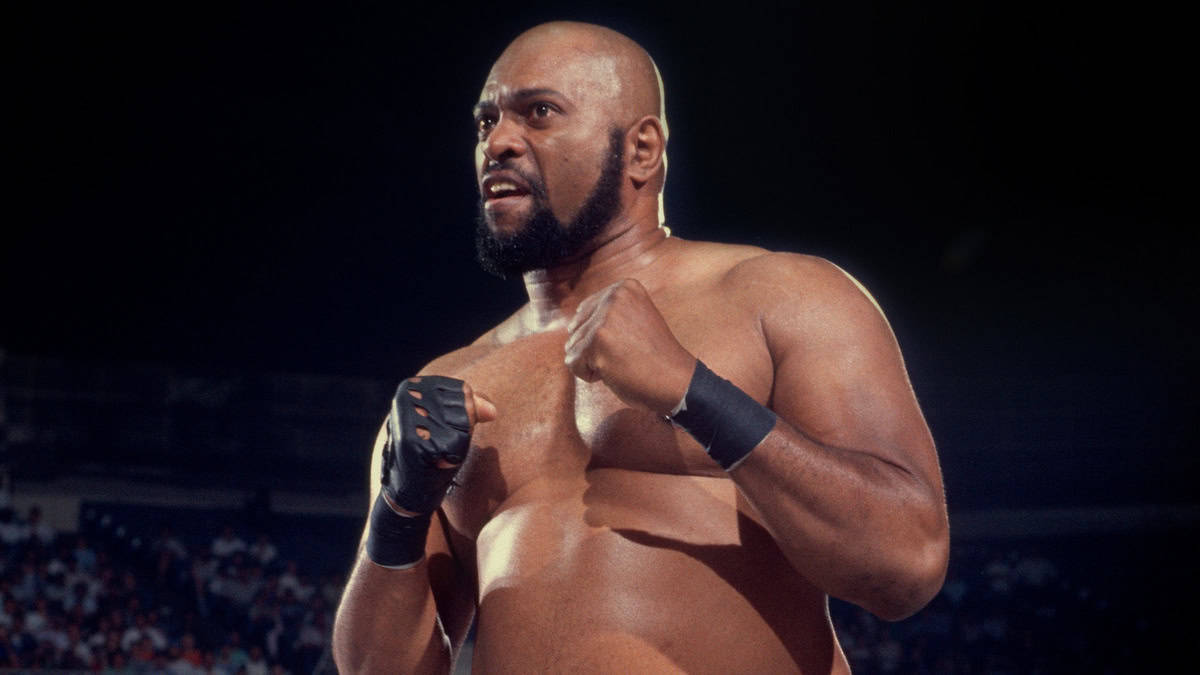
The physical toll of the current grind
The WWE performance center and independent contractors are currently navigating an injury wave that has front office executives scrambling for answers. Chronic high-impact injuries are rising at a rate not seen since the peak of the 2022 calendar. The company remains tight-lipped regarding specific surgical timelines, but sources confirm that medical staff are handling a caseload that currently sits 25 percent above the monthly average.
This is not a clean bill of health for the roster. Wrestlers are consistently logging minutes well beyond the recommendation of physiological specialists, leading to a noticeable decline in match quality during mid-card segments. When athletes work through nagging joint inflammation or recurring concussion protocols, the product suffers. We saw the fallout of this on the May 26 taping of Raw, where a routine top-rope spot resulted in a significant lateral collateral ligament tear, sidelining a core performer for the next six months.
Historical context and the cost of performance
The current climate in WWE is reminiscent of the mid-2000s, an era defined by a disregard for lingering trauma in favor of maintaining television presence. Back then, stars like Kurt Angle competed on fractured vertebrae, a standard that eventually forced the industry to overhaul its wellness policies. Today, the problem is different; it is not a lack of policy, but an apparent unwillingness to enforce rest for talent who fear losing their spot on the card.
This culture of silence directly impacts the morale of the locker room. Wrestlers are looking at their peers and seeing the long-term cost, which arguably influences decisions like that of Mick Foley, who recently cut ties with the promotion. As reported by BodySlam.net, Foley opted to let his legends contract expire on December 16, 2025, rather than continue his association with the company under its current trajectory. While Foley cited political reasons for his exit, the decision signals a growing separation between the company and its veterans.
Operational failures and strategic risks
Management cannot ignore the medical data coming out of the road loop. The 2026 tour schedule is packed, with few days reserved for actual recovery between international dates and domestic tapings. Booking a superstar in a 20-minute physical brawl just 48 hours after an international flight to a different continent is a recipe for soft-tissue failure. This is basic human kinetics, yet the match producers continue to push for high-risk aerial maneuvers in matches that lack narrative weight.
The strategic implication here is clear: the company is burning through its roster depth faster than it can rebuild it. When main event talent is trapped in a cycle of physical rehabilitation, the audience tuning in to see their favorites loses interest. We are seeing mid-carders elevated to spots they are not ready for because the bench has been cleared by injury. It forces writers to abandon long-term feuds in favor of short-term fillers, which essentially acts as a Band-Aid on a bullet hole.
The upcoming crunch
As the promotion moves into June and July, the pressure will only heighten. The 2026 FIFA World Cup, which kicks off on June 11, presents a massive challenge for domestic viewership. WWE needs absolute perfection on screen to compete with the sheer volume of global sports coverage that will dominate the airwaves for the next month. They are currently not delivering that.
If the medical staff fails to curb the trend of early returns and recurring stress fractures, the roster will be decimated by the late summer. Fans are noticing the difference, and the social media discourse is reflecting a sense of apathy regarding talent who appear to be moving at only 70 percent capacity. Performance quality is tied directly to physical vitality; without one, the other vanishes. The office needs to make the hard call and stop the bleeding before more stars are lost to preventable, fatigue-based trauma.