The physical toll of the modern schedule
Professional wrestling does not stop for calendar markers. As of May 28, 2026, the industry is grappling with a recurring issue: the collision of high-intensity performance and long-term joint integrity. While WWE continues to churn through television tapings and house shows, the medical department faces rising pressure to manage talent availability.
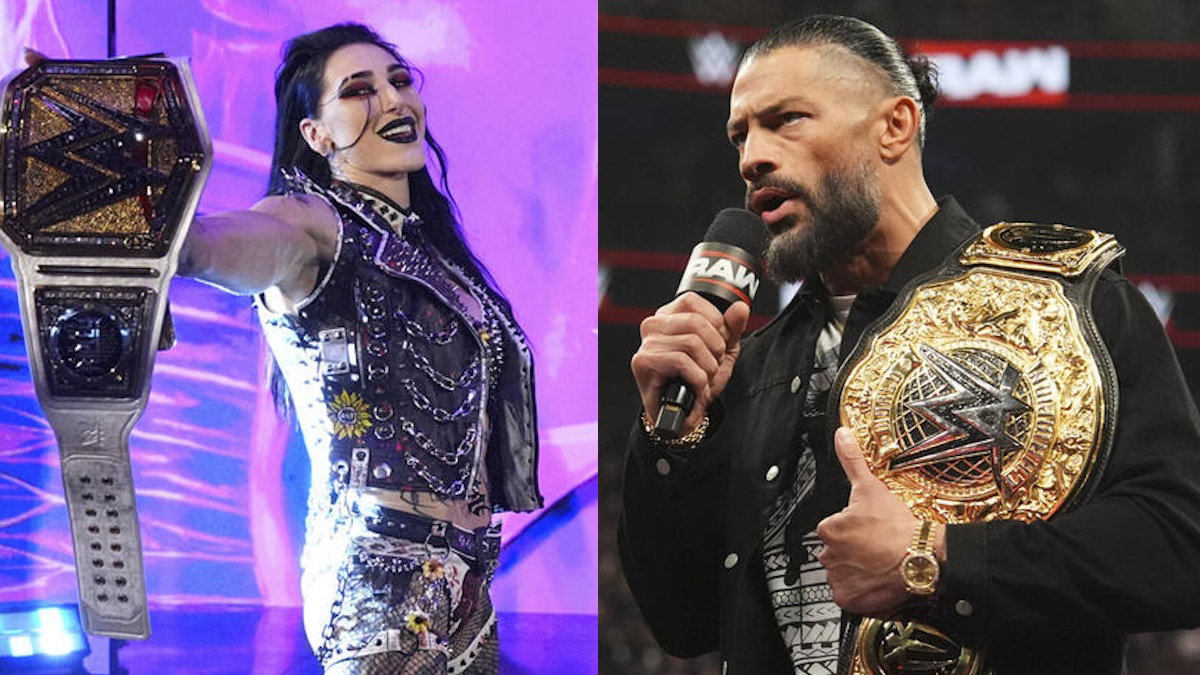
Injury updates in 2026 are rarely simple sprains. Reporters tracking internal fitness logs note an uptick in soft-tissue stress fractures and labrum tears. These are not abrupt accidents; they are the result of constant impact accumulated over a high-frequency work schedule. When a performer like Rhea Ripley changes their peripheral habits to accommodate the travel and signing grind, it highlights a daily wear-and-tear reality that impacts ring readiness.
The financial cost of downtime
Lost time for top-tier talent creates a vacuum in event cards. When a name-brand performer misses a premium live event, the creative team is forced to pivot with limited lead time. This results in rushed booking and secondary angles that struggle to capture audience attention. History shows that roster depth is the only true hedge against these losses, yet even the deepest benches struggle when multiple main-eventers hit the injury list simultaneously.
We are seeing athletic trainers implement stricter recovery protocols than we saw a decade ago. It is no longer about clearing a wrestler to perform; it is about extending the shelf life of their career by weeks or months. This strategic shift is mandatory because the modern repertoire involves more high-risk spots than the television era of the mid-2000s. A simple botched landing on a 450-splash or an ill-timed transition can sideline a performer for 6 months of mandatory rehabilitation.
Comparison to historical injury trends
Comparisons to the 2015-2016 period are frequent within the locker room. That era saw a wave of ACL and MCL tears, often blamed on a lack of rotation and recovery time between high-intensity matches. The current medical staff utilizes better biomechanical tracking today, yet the injury frequency remains stagnant. Fans who track injury data through sites like WrestleTalk recognize that even the biggest stars are vulnerable to the grind.
The current booking strategy often fails to account for recovery gaps. By pushing athletes to perform heavy-impact moves on back-to-back nights, the company increases the probability of a catastrophic event. It is a cynical calculation: maximize output now and manage the medical fallout later. This methodology remains a point of contention among veteran performers who remember a time when protected status meant fewer bumps on television.
Strategic implications for upcoming summer events
With the 2026 FIFA World Cup looming in June, the industry faces a unique battle for eyeballs and engagement. Keeping the marquee roster healthy is prioritized over creative experimentation. If a lead performer is currently rehabbing, their absence is felt most acutely during the summer push. The trend of managing superstars like Roman Reigns indicates a move toward part-time appearance schedules, though this creates secondary problems for the remaining full-time roster members who must work extra minutes to fill the void.
Management must decide whether to continue the current pace or scale back for the sake of long-term sustainability. Failure to adjust will only lead to more forced title changes and awkward segments where performers carry injuries in the ring to maintain a narrative thread. It is a difficult balance that rarely pleases everyone, but when the alternative is losing a centerpiece of the show for half a year, the choice usually leans toward caution.