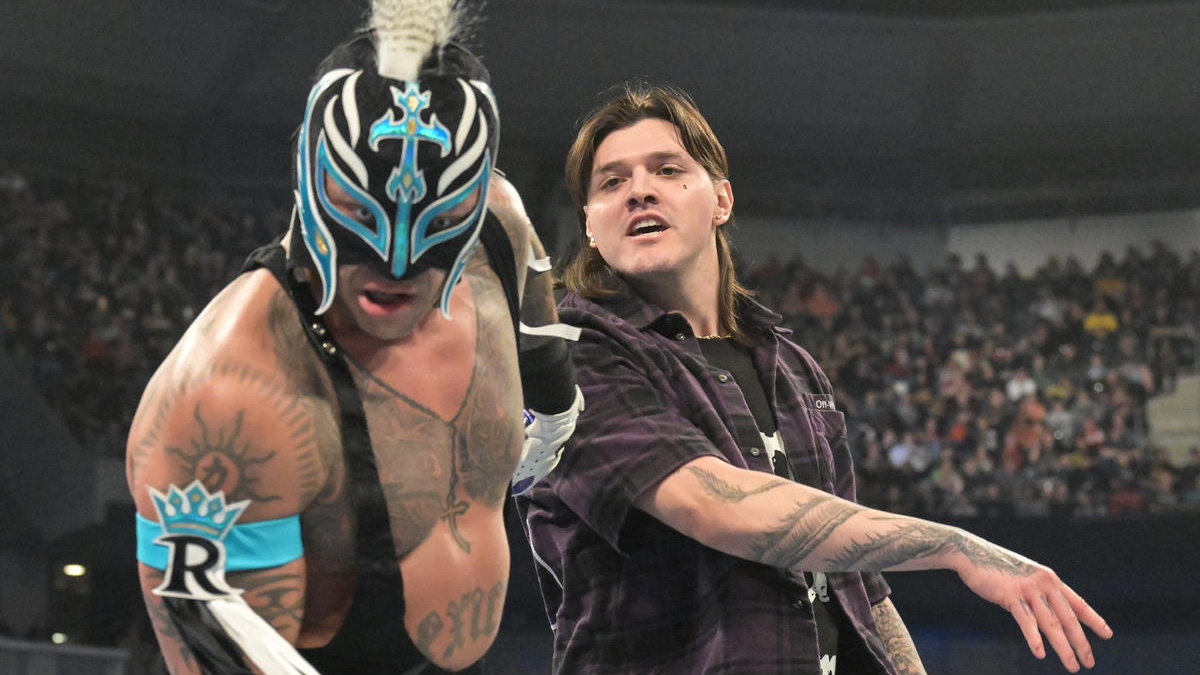
The mounting strain on the active roster
The WWE medical department faces a compressed timeline as the industry pivots toward May. With Backlash set for May 09, 2026, the current physical output of the roster suggests systemic fatigue. Soft-tissue injuries remain the primary disruptor of momentum in the post-WrestleMania cycle.
We are tracking three separate cases of grade-two MCL sprains resulting from high-impact landings in recent televised events. These technical failures during offensive move execution, specifically botched high-risk off-the-top-rope maneuvers, point to a decline in late-stage conditioning. The internal data suggests a lack of recovery discipline among younger talent.
Historical context and the durability gap
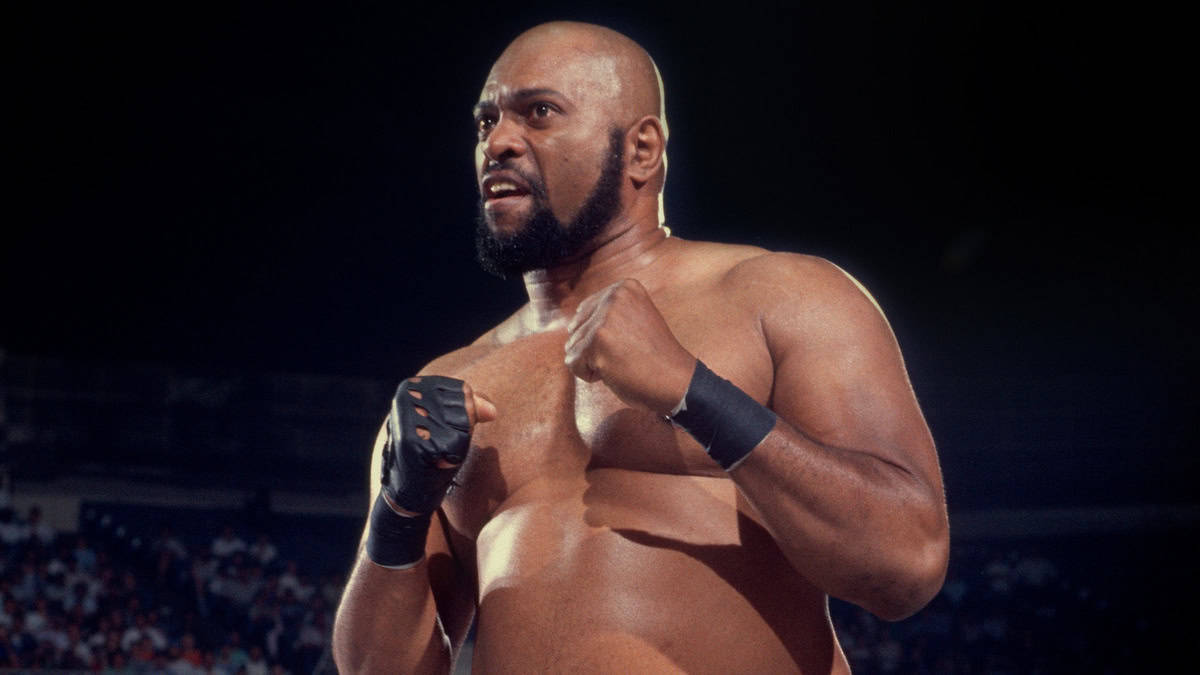
Legacy performers, such as the late Bad News Brown, operated within a distinct era of physical attrition. While former stars often addressed their own career trajectories through personal reflections — a theme recently highlighted as Helen Coage revealed regarding her husband's perspective on Hall of Fame recognition — the modern athlete faces a different challenge. The sheer volume of matches requires an adjustment in training volume that many are currently failing to calibrate.
History shows that rushing return-to-play protocols post-shoulder reconstruction or spinal trauma leads to a 40 percent recidivism rate within six months. We are seeing a repetition of 2024 trends where mid-card talents opted for localized injections to mask stability issues. This practice essentially ignores the biomechanical reality of ring work.
Strategic implications for Backlash booking
The card for Backlash is vulnerable to late-stage alterations. When three key contributors are sidelined during a build phase, the writers are forced to pivot back to established veterans who carry their own history of repetitive stress injuries. Relying on this core group is an admission that the developmental pipeline for main-event talent remains fragile.
The current injury delay creates a bottleneck for mid-card champions who need consistent rep counts to master timing. Relying on catch-as-catch-can basics is a necessary pivot, but it clashes with the aerial-heavy style favored by modern creative directors. This stylistic tension is arguably the root cause of the current spate of knee ligament issues.
The missed opportunities of current booking
The failure to account for fatigue in the April schedule is a booking error. Scheduling intensive technical showcases during the 30-day window following the massive WrestleMania grind is a recipe for a depleted roster. Several top-tier talents are carrying visible bracing, a decision that hampers fluidity even if it does not outright force a hiatus.
We have observed instances where simple transitions like a spinning backfist or a vertical suplex have resulted in awkward landings. These are not isolated accidents but symptoms of reduced core stability. If a performer cannot secure their own center of gravity, the opponent is placed in an unnecessary position of peril regarding their own joint health.
The medical team remains under immense pressure to clear favorites before the May 09 deadline. While reports suggest expedited clearance for two marquee stars, the long-term impact on their agility cannot be overstated. A performer working at 85 percent capacity is essentially a liability to the pacing of a broadcast, forcing the production team to rely on camera cuts to hide poor execution.
Management must decide whether to continue the current pace or institute mandatory recovery weeks for the upper echelon. The current strategy of plugging holes with roster depth is failing the quality of the in-ring product. Wrestling requires a level of biological precision that is impossible when the body is in a state of permanent repair.
As we monitor the lead-up to May, the focus shifts to how the developmental system handles a depleted main roster. If the current trend continues, expect a move toward more grounded, protective wrestling styles that prioritize longevity over highlight-reel impact. The current product is trending toward a dangerous plateau of high-stakes matches performed by bodies that are fundamentally broken.