The departure that signals a deeper rift
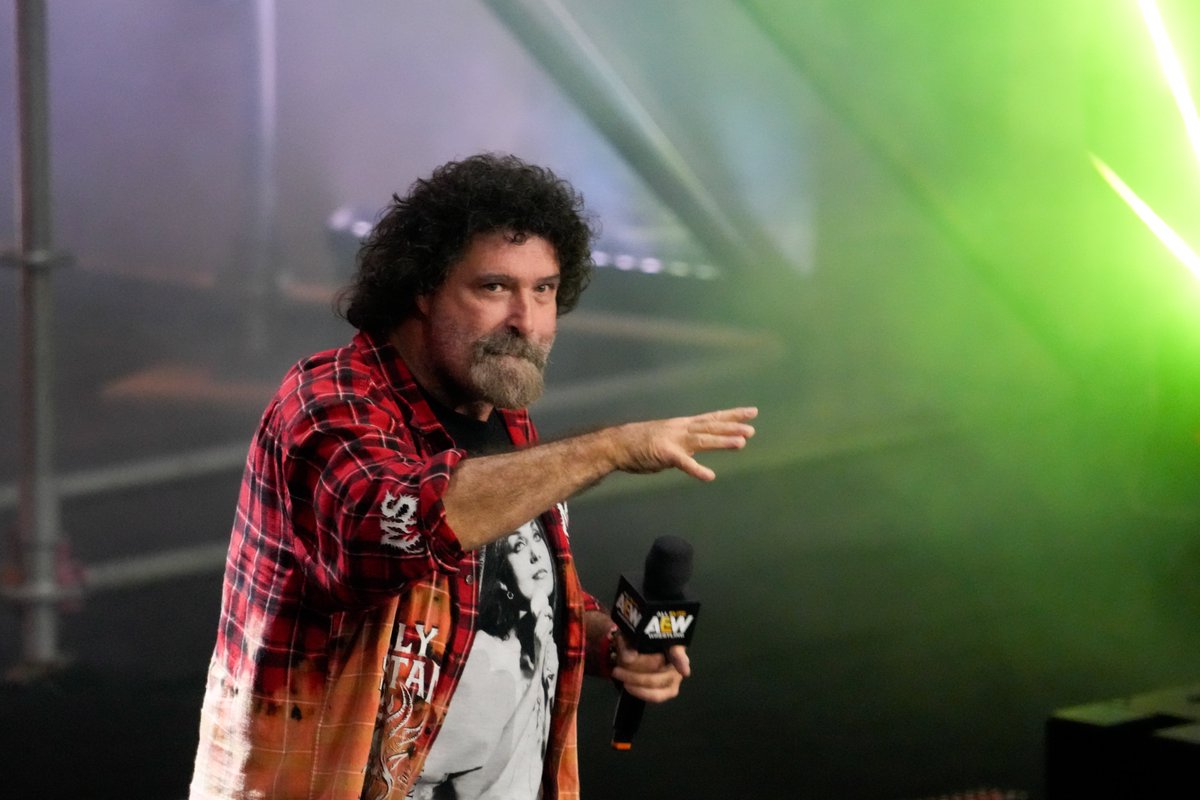
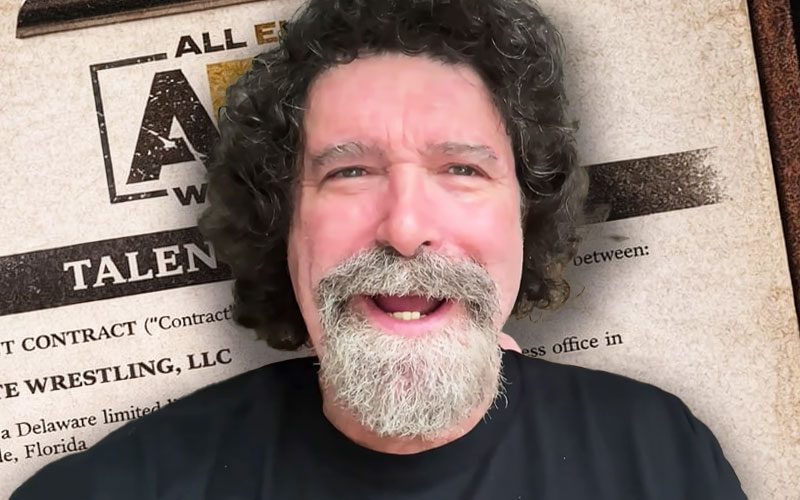
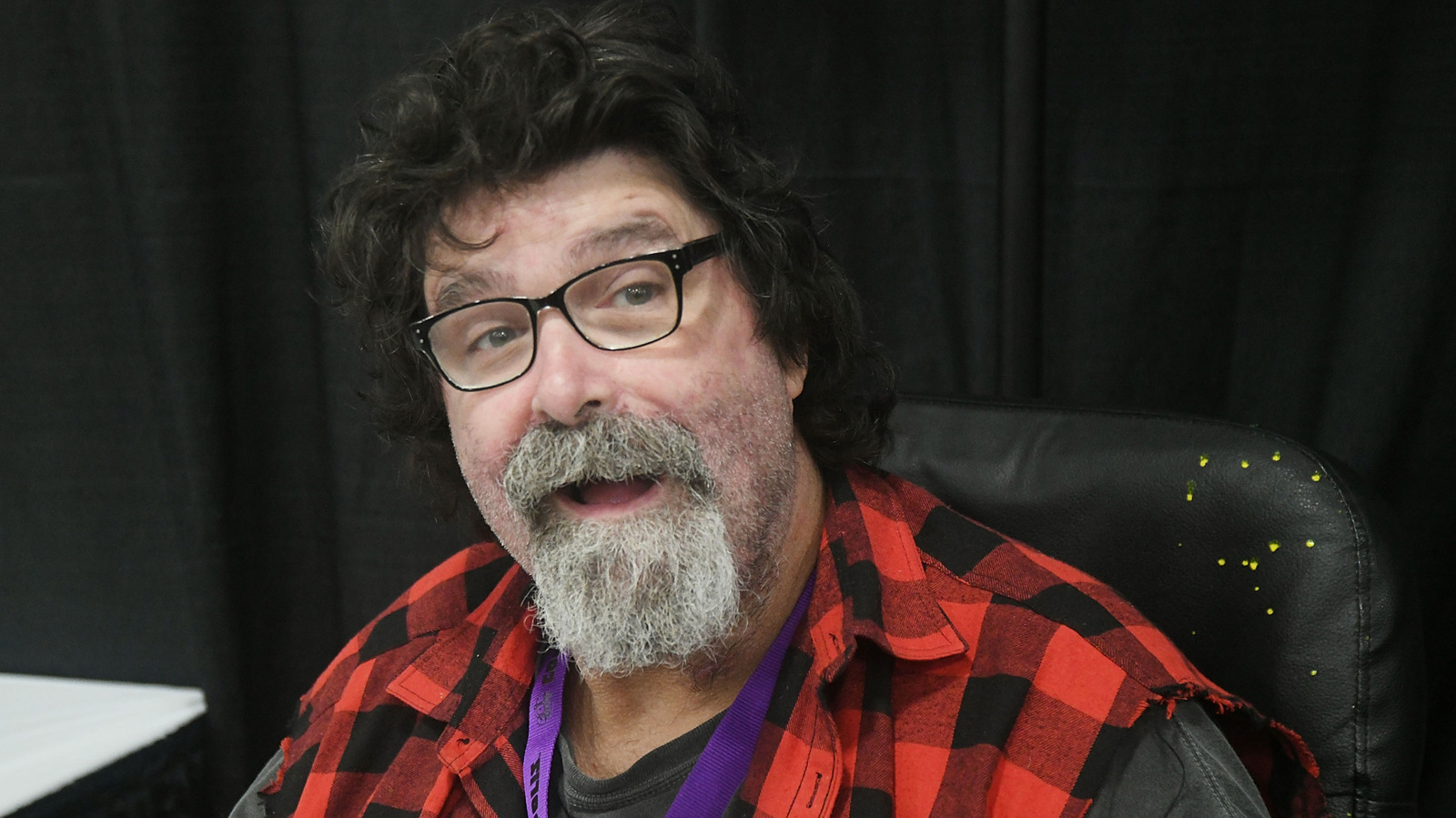
The wrestling industry rarely allows for pure altruism, which makes Mick Foley’s transition from WWE to AEW stand out. Recent reports confirm Foley stepped away from his professional ties to WWE primarily due to the organization’s political leaning toward the Trump administration. It is a rare instance of a performer explicitly prioritizing personal ideology over the financial security of a legacy contract.
This is not a typical roster shake-up. Foley carries the institutional weight of the Attitude Era, and seeing him link up with Tony Khan’s promotion shifts the perception of talent retention. WWE has historically operated as an entity insulated from traditional political critique, but Foley’s exit forces a conversation about the personal allegiances of legendary figures within the business.
The strategic impact of a legend in the wings
From a product perspective, the physical toll on a man who famously took a bump off the Hell in a Cell structure in 1998 remains a constant concern. Foley is no longer the athlete who can sustain a twenty-minute spot-heavy encounter. His value to AEW is entirely centered on credibility and the psychological narrative he brings to their younger roster.
Watch for how he integrates into segments with talents like MJF or Adam Cole. Foley’s mastery of the microphone can elevate a mid-card feud into a featured attraction. However, booking him requires immense care. If AEW relies on him purely for nostalgia, they risk stalling the momentum of current contenders. The challenge lies in balancing his history with the company’s need to define its own future.
There is also the friction of his public stance versus the silence of others. Foley outlined his specific reasoning behind the exit, creating a clear line in the sand. Other veterans often opt for private quietude; Foley chose to make his exit a public declaration. This creates a specific, pointed reality for his new employers.
What to expect in the coming weeks
The anticipation for his first substantive appearance is palpable only if the audience views him as a mentor rather than a competitor. Do not expect him to take bumps in the ring on a regular basis. That would be a catastrophic error in judgment from a booking standpoint. Instead, expect a measured role involving character work, perhaps serving as a foil to the corporate heels currently dominating AEW television.
The downside? A reliance on legacy stars often dilutes the screen time for the actual roster. For AEW to succeed, they must ensure Foley’s presence acts as a bridge, not a destination. If this leads to a program where he dominates the main event slots, it will be a failure of original storytelling.
My prediction: Foley will be utilized in a high-profile, non-physical capacity within the next 30 days. He will likely be positioned to guide a younger talent through a blood feud, leveraging his status as the ultimate babyface to solidify an emerging heel's status. It is a calculated move that serves the narrative well, provided the match output remains centered on the future, not the ghosts of thirty years ago.