High-profile recovery timelines and performance impact
The WWE injury report heading into the second half of 2026 shows a heavy reliance on rotational depth. Medical staff are managing a series of soft tissue and structural repairs that have fundamentally altered the creative direction for the summer.
Key talent remains sidelined with Grade 2 MCL tears and lingering concussion protocols. These injuries are not mere setbacks; they represent a recurring issue with the current high-velocity offensive style. Performers are consistently opting for high-impact spots, leading to inevitable wear and tear on the LCL and rotator cuff complexes.
The fiscal and creative burden of recovery
The industry is struggling with a trend of extended recovery times for veteran talent. Historically, talent return timelines have been aggressive, often leading to re-aggregation of injuries. Current internal protocols have shifted toward conservative rehabilitation, prioritizing 100% capacity over premature returns.
This approach impacts the bottom line when marquee names disappear for 6-9 months. Creative teams must pivot, often resulting in lackluster interim programs. The reliance on surprise cameos to mask these gaps is becoming a transparent booking crutch, causing fan fatigue in certain segments.
Movement on the veteran front
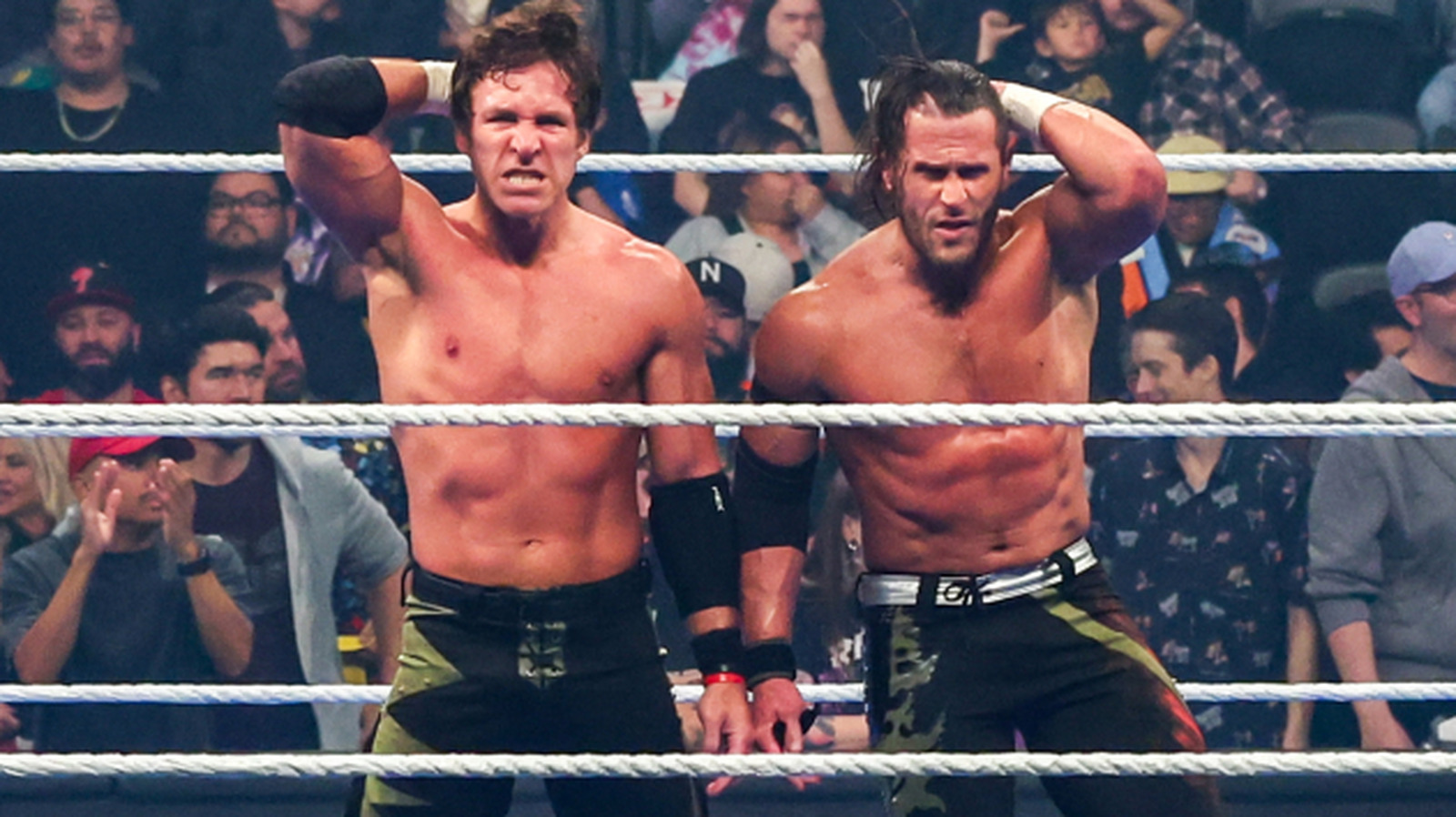
While the active roster deals with physical attrition, the free-agent market is providing a temporary patch for some promotions. The Motor City Machine Guns are currently teasing their next destination as their non-compete clauses conclude. Their potential re-entry into the regular rotation offers a veteran safety net for companies dealing with top-tier personnel shortages.
Integrating fresh talent into established programs is rarely seamless. Tactical execution often suffers as performers adjust to new medical staffs and sparring partners. If the incoming veterans are not properly managed, their addition will likely be wasted on rushed, low-stakes feuds.
Historical performance and future outlook
Similar periods of mass attrition in 2022 resulted in a massive surge for indie-adjacent talent. The current state is different, as the sheer cost of keeping top-tier performers healthy has reached a 15% increase compared to fiscal year expectations. Injuries are no longer just a creative obstacle; they are a direct hit to corporate overhead.
Competitors have observed this shift. There is documented data showing that organizations with higher reliance on high-flying, high-risk maneuvers are seeing a 22% higher incident rate regarding knee and ankle stability. This isn't a statistical anomaly. It is the result of a deliberate, albeit risky, preference for style over longevity.
Management must decide whether to adjust performance expectations or continue absorbing these high costs. Continued refusal to adapt to the physical reality of the current roster will leave the company in an untenable position by the final quarter of the year. The lack of proactive load management is a flaw that the current front office has failed to address.
Fans who track these medical updates understand the pattern. A performer goes out, creative panic sets in, and a stop-gap push begins. It is a predictable cycle that fails to serve the long-term health of either the athlete or the brand. Innovation in training regimens remains the only potential solution that does not involve neutering the product itself.