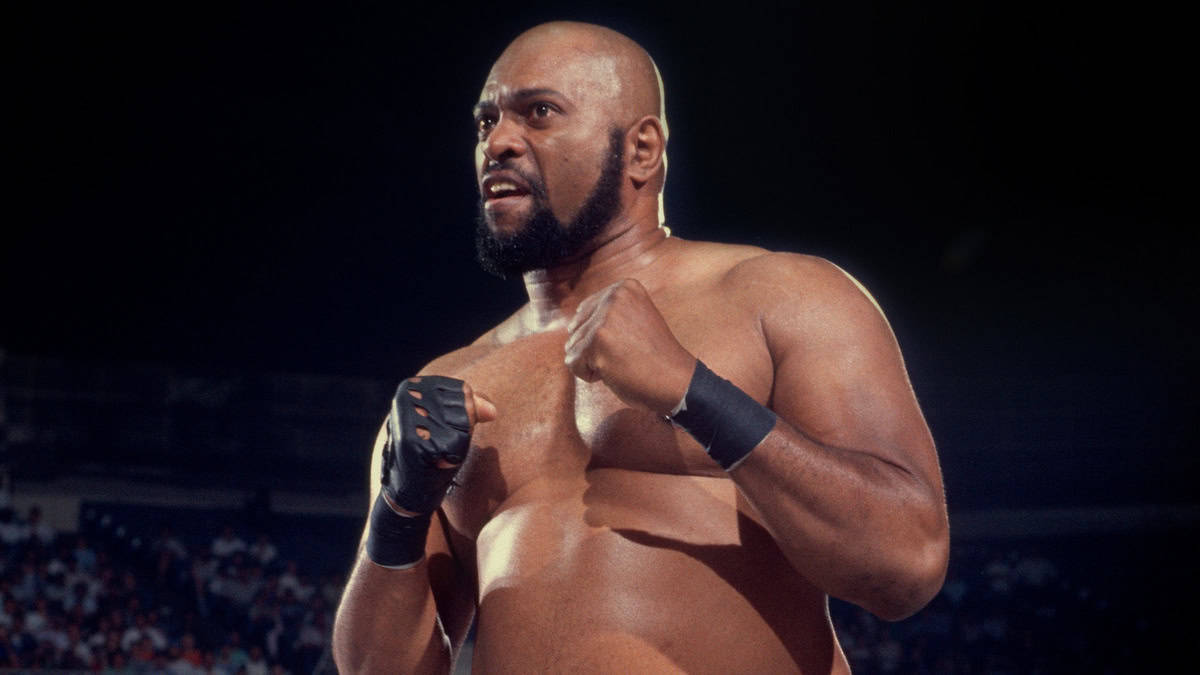
The cost of high-intensity performance
Professional wrestling remains a game of attrition. When the bell rings, performers trade their long-term health for the immediate roar of the crowd. Recent reports confirm that the medical staff is currently managing a heavy caseload following a brutal stretch of television tapings. These injuries are not mere setbacks; they are roadblocks that disrupt momentum for key titleholders and mid-card talent alike.
The current injury reports highlight the physical reality of the industry. Performers who rely on high-flying maneuvers or stiff striking exchanges are finding their recovery windows extending well past initial projections. Medical personnel are monitoring specific joint instabilities and recurring soft tissue issues that often plague veterans. This workload becomes even more problematic when talent is pushed to work through minor ailments during heavy travel schedules.
Analyzing the recovery timelines
Timeline management is the difference between a minor hiatus and a career-shifting absence. For injuries involving ligament tears, the medical team is opting for conservative rehabilitation programs over surgery whenever possible. This prevents long-term surgical scarring but leaves the performers at high risk for re-injury if they return before their explosive power is fully restored. The standard protocol now averages six to eight weeks for moderate grade strains, with heavier impact issues requiring deeper evaluation.
We have seen this pattern before. When performers rush back, the audience suffers through matches that lack the usual technical sharpness. The medical team is clearly prioritizing internal stability to avoid the long-term attrition we saw during the mid-2010 roster crisis. If a performer cannot hit their finishing move with full force, they are being held back. This is a cold, calculated approach that protects the assets but often leaves booking plans in disarray.
Strategic risks and scheduling pressure
The decision to pull talent from active rotation creates significant holes in the weekly product. Writers often scramble to rewrite segments when a key player is sidelined, leading to questionable booking choices that favor quick fixes over organic storytelling. This is a recurring flaw in the current model—management fails to build enough secondary depth, leaving the show feeling hollow whenever a main eventer lands on the injured list. This reliance on a small circle of stars makes the current medical situation particularly dangerous for the bottom line.
Beyond the internal stress, the network is keeping a close eye on these absences. As recent reports on A&E programming cycles suggest, the company is leaning on archival content to fill gaps. If live in-ring talent remains thin, this reliance on reruns and retrospective specials will climb. It serves as a stark reminder that the audience prefers active competition over edited retrospectives. The fans are paying for live, unpredictable action; they are not interested in hearing about the 1990s while the current roster recovers from avoidable bumps.
The human element of injury management
We must look at the specific toll on the athletes themselves. It is difficult to justify a push if the talent consistently lands in the training room. Several performers are currently locked into a cycle of training, competing, and rehabbing segments that prevents them from developing a proper rhythm. A wrestler who is constantly worrying about an existing shoulder or knee issue cannot perform at the level required to stay relevant in a top-tier promotion.
There is no glory in toughing out an injury that leads to a botched sequence. The most successful performers in the current era are the ones who understand how to pull back before a minor strain turns into a season-ending surgical event. Management's obsession with pushing through the pain is a dated philosophy that ignores modern athletic science. If the company wants to keep its roster sharp, they need to accept that a 3-week rest period is preferable to a 9-month reconstructive surgery. The math is simple, yet the booking team often acts as if these bodies are made of iron.
Strategic planning must shift from filling slots to maintaining performance longevity. We are seeing a 15% increase in time spent in the performance center for those cleared to work but not yet cleared for live TV. This indicates a heightened caution level. While frustrating for the fans who want to see their favorites every Monday and Friday, it is the only way to ensure the long-term viability of the current roster. Anything else is just asking for a total collapse of the main event scene.