The physical toll of the road to WrestleMania
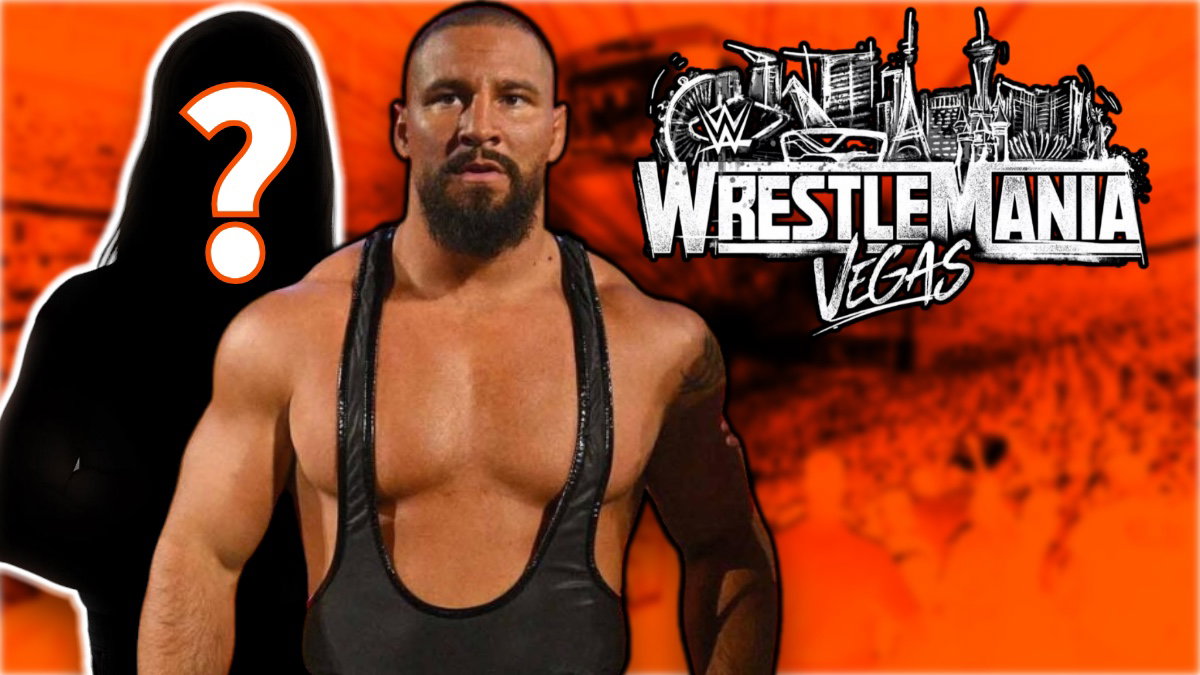
Professional wrestling is currently weathering a series of physical setbacks as WWE nears its annual flagship event. With WrestleMania 41 looming on the calendar for April 19 and 20, the margin for error has vanished for the promotion’s medical staff. The intensity of the training cycle has exacerbated chronic issues for key roster members, forcing creative teams to rewrite segments on the fly.
Reports indicate that multiple athletes are managing soft tissue damage sustained during the final build-up of matches. When performers increase the frequency of their high-impact spots to generate buzz, the risk of fatigue-related injury rises sharply. We have seen this cycle before, where the push for spectacle overrides the necessity for rest, leading to avoidable absences during the most profitable weeks of the calendar.
The strategic cost of an empty locker room
The absence of featured talent during the go-home shows creates a vacuum that rarely benefits the long-term storytelling of the product. When a marquee star is sidelined just 18 days before the biggest spectacle of the year, the booking must shift abruptly to accommodate the deficit. This leads to rushed improvisations that often lack the polish of a planned narrative arc.
Management now faces a difficult trade-off between prioritizing the health of the performer and the integrity of the match cards for WrestleMania 41. History shows that pushing through minor tears or joint inflammation often results in more severe fractures or ligament ruptures once the adrenaline fades. For fans hoping for a pristine card, the current medical reality is a sobering reminder of the physical demands of this industry.
Contextualizing the current injury wave
Medical issues in late spring are not a new phenomenon in combat sports or professional wrestling. The heavy lifting in the gym to achieve peak aesthetic conditioning for the bright lights of WrestleMania often leaves bodies vulnerable to sudden shocks during physical contact. A simple missed step during a high-angle suplex or a poorly timed landing after a top-rope dive can end a push almost instantly.
Competitors like Lita, who remains active in various capacities as reported by PWInsider, have historically transitioned their expertise into guest appearances and non-wrestling roles to avoid the heavy physical toll of the full-time circuit. Younger prospects on the main roster, however, lack that luxury. They are expected to maintain an elite pace regardless of the wear and tear accumulated over a long tenure on the road.
Analyzing the booking recovery
Booking a show as massive as WrestleMania 41 requires meticulous lead-up, often months in advance. When the primary protagonist in a high-stakes feud is suddenly unavailable, the replacement options usually fall short of the original vision. Critics of the current style argue that the trend of high-velocity, high-frequency offense is fundamentally incompatible with a 52-week-a-year television schedule.
The strategic error often lies in the reliance on high-risk maneuvers for television episodes that carry little weight compared to the pay-per-view events. If a performer executes a springboard 450 splash on a random Tuesday, they are effectively betting their future availability on a move that serves no purpose in the eventual championship narrative. This poor resource management is currently costing the company momentum as they look toward Backlash on May 09.
Industry implications for spring 2026
With major European football fixtures like the Champions League Quarter-Finals set for April 07 and 14, the competition for viewer attention is peaking. WWE needs a healthy roster to prevent the audience from drifting toward traditional sports. Every minute of filler programming during the buildup reflects a failure to effectively integrate the existing talent pool around these absences.
Moving forward, the industry might be forced to adopt lighter practice schedules in the two weeks preceding annual showcases. The current model, while effective at driving ticket sales, creates a fragile product. If the star power is unable to perform as advertised, the consumer trust that carries the promotion through the summer months may begin to waver. It is a gamble with limited upside and potentially massive consequences for brand perception.