The midcard reality check
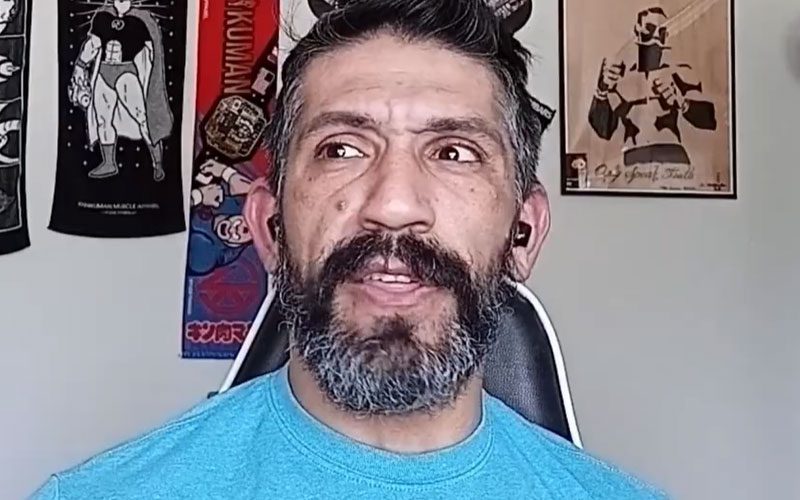
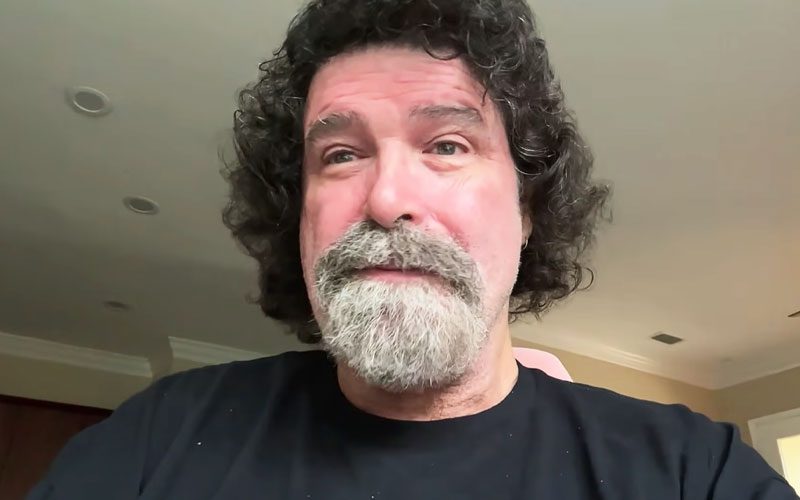
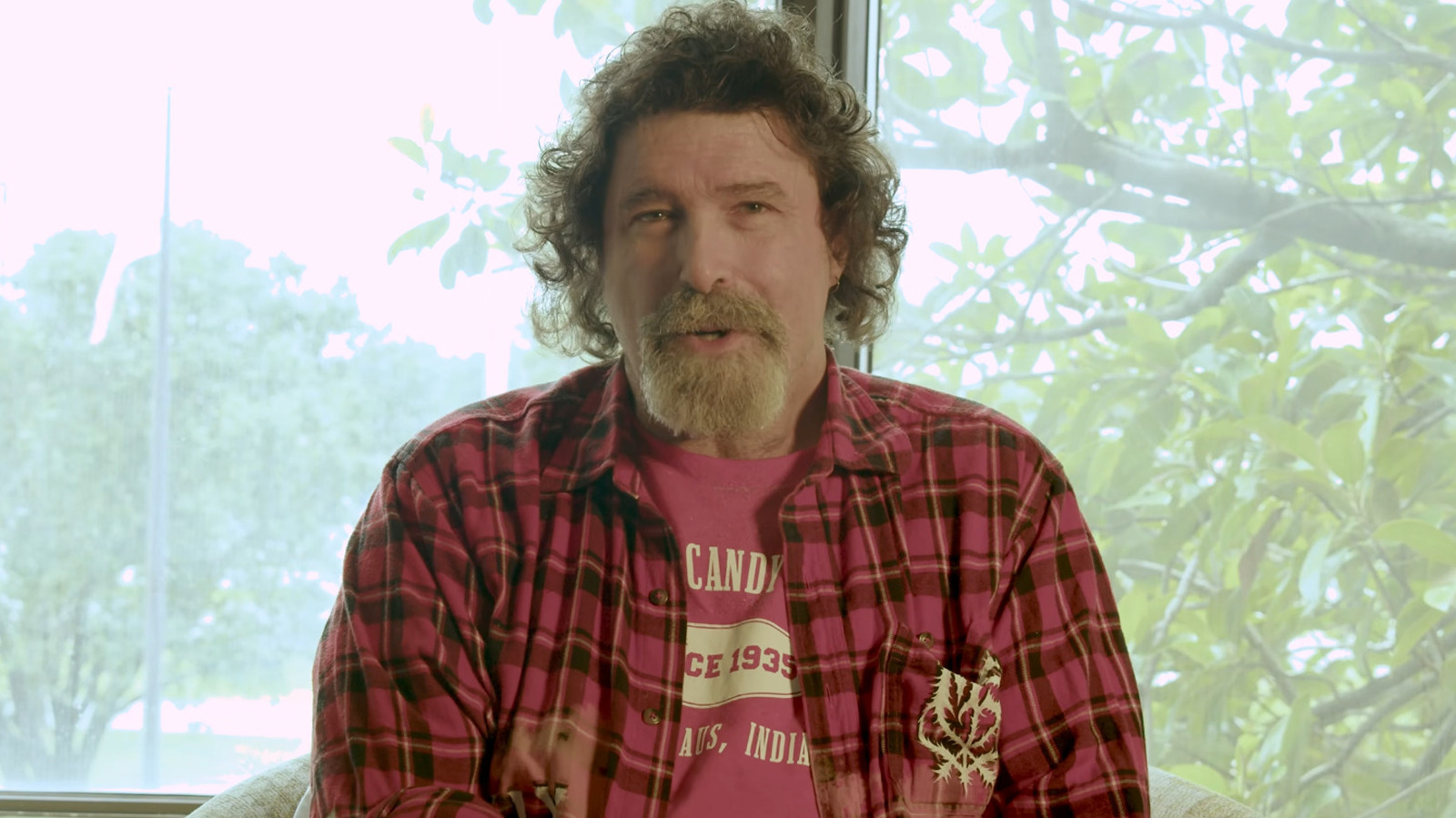
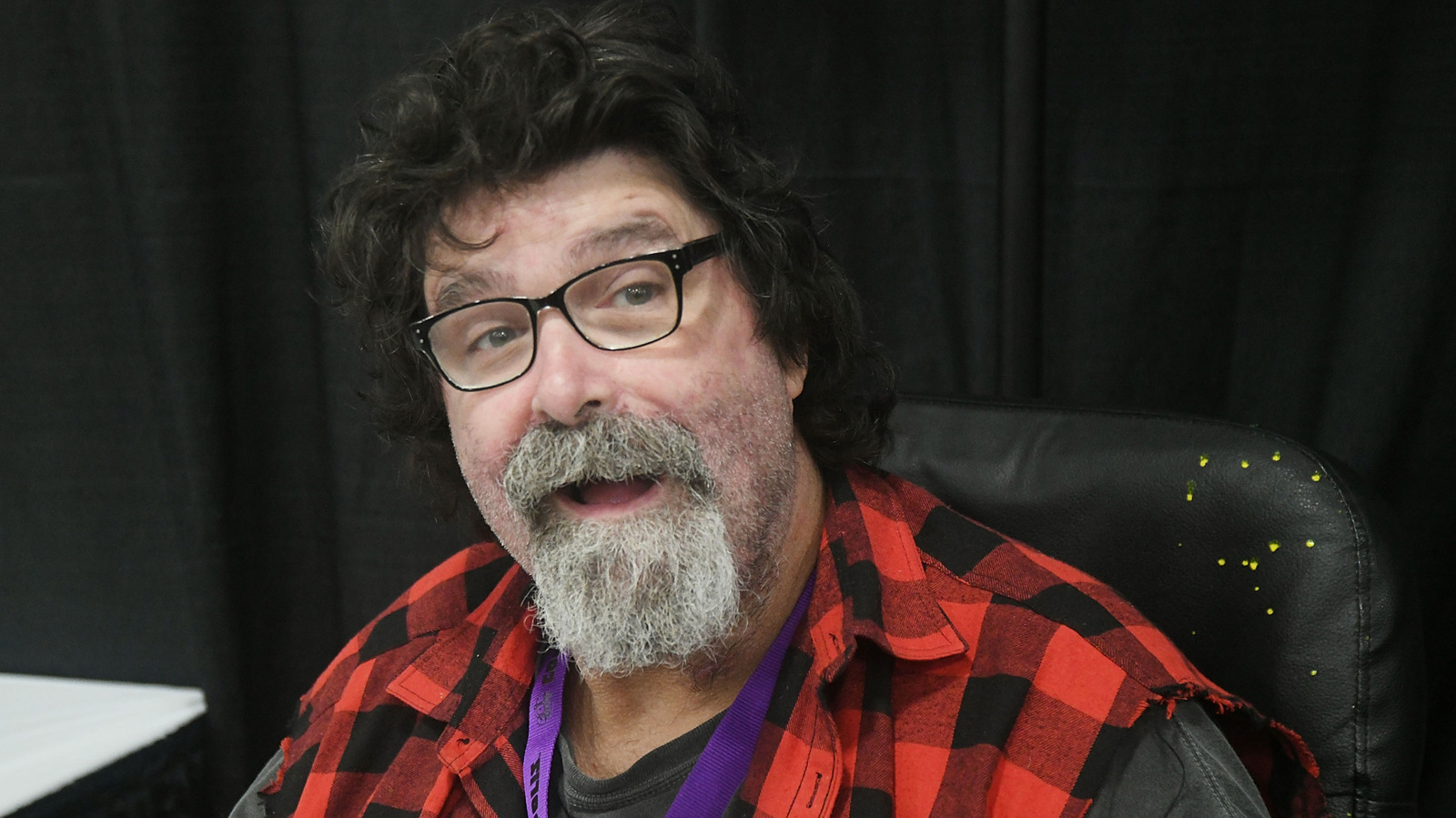
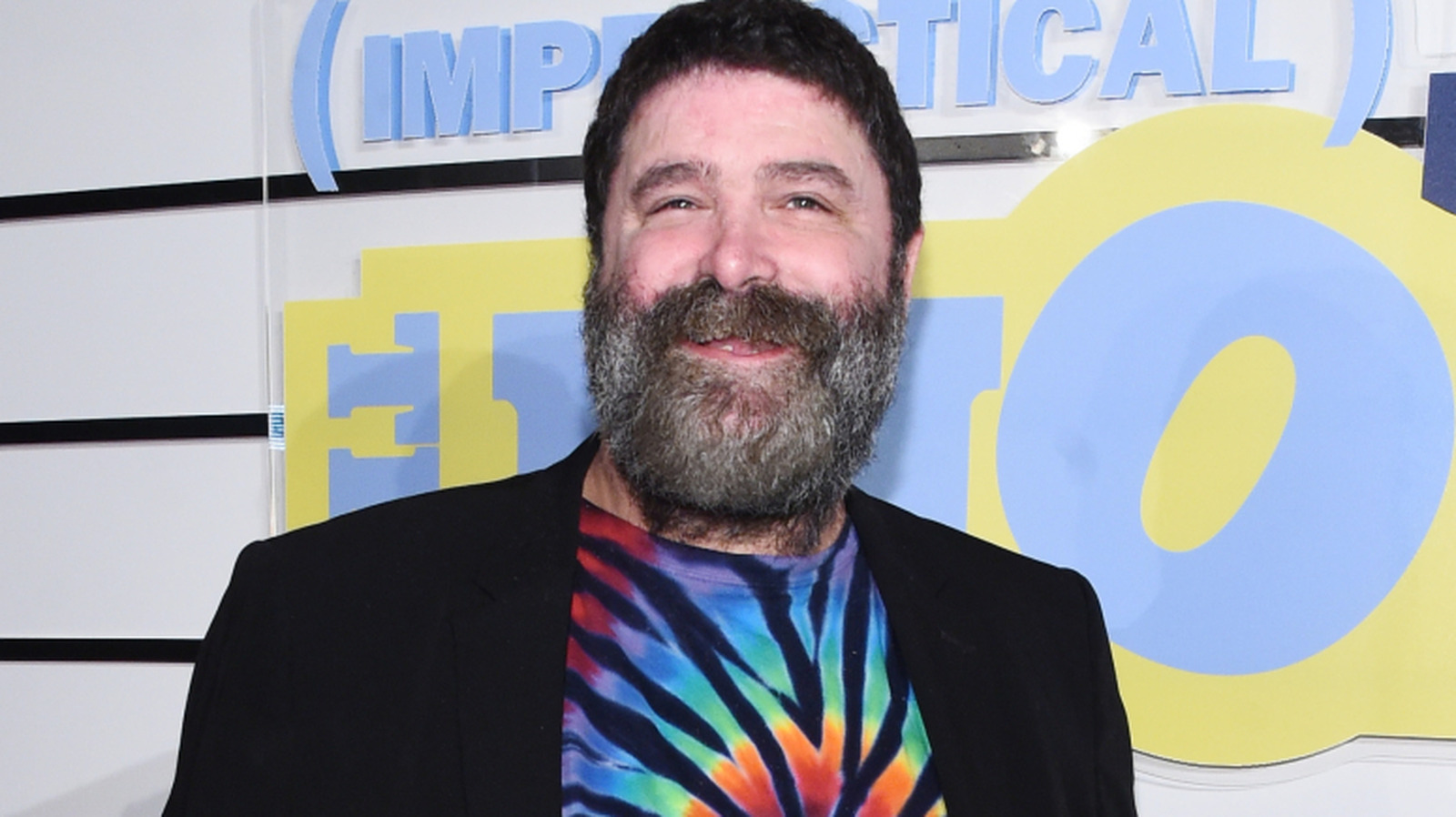
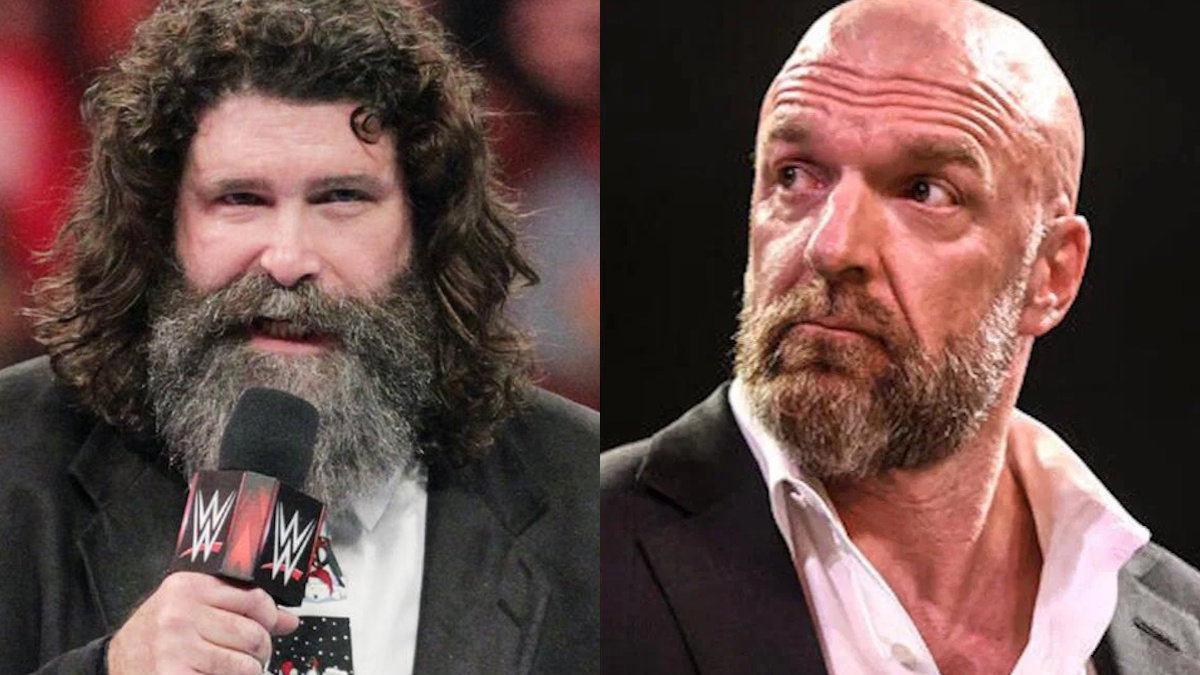
Mick Foley recently went on record stating that AEW manages its midcard division with a greater sense of consistency than WWE. For a promotion that built its early reputation on the strength of its workrate, this serves as both a compliment and a high bar for the current roster to clear. When a Hall of Famer points to a deficit in pride or booking structure, the performers in the middle of the card feel the pressure to validate that assessment immediately.
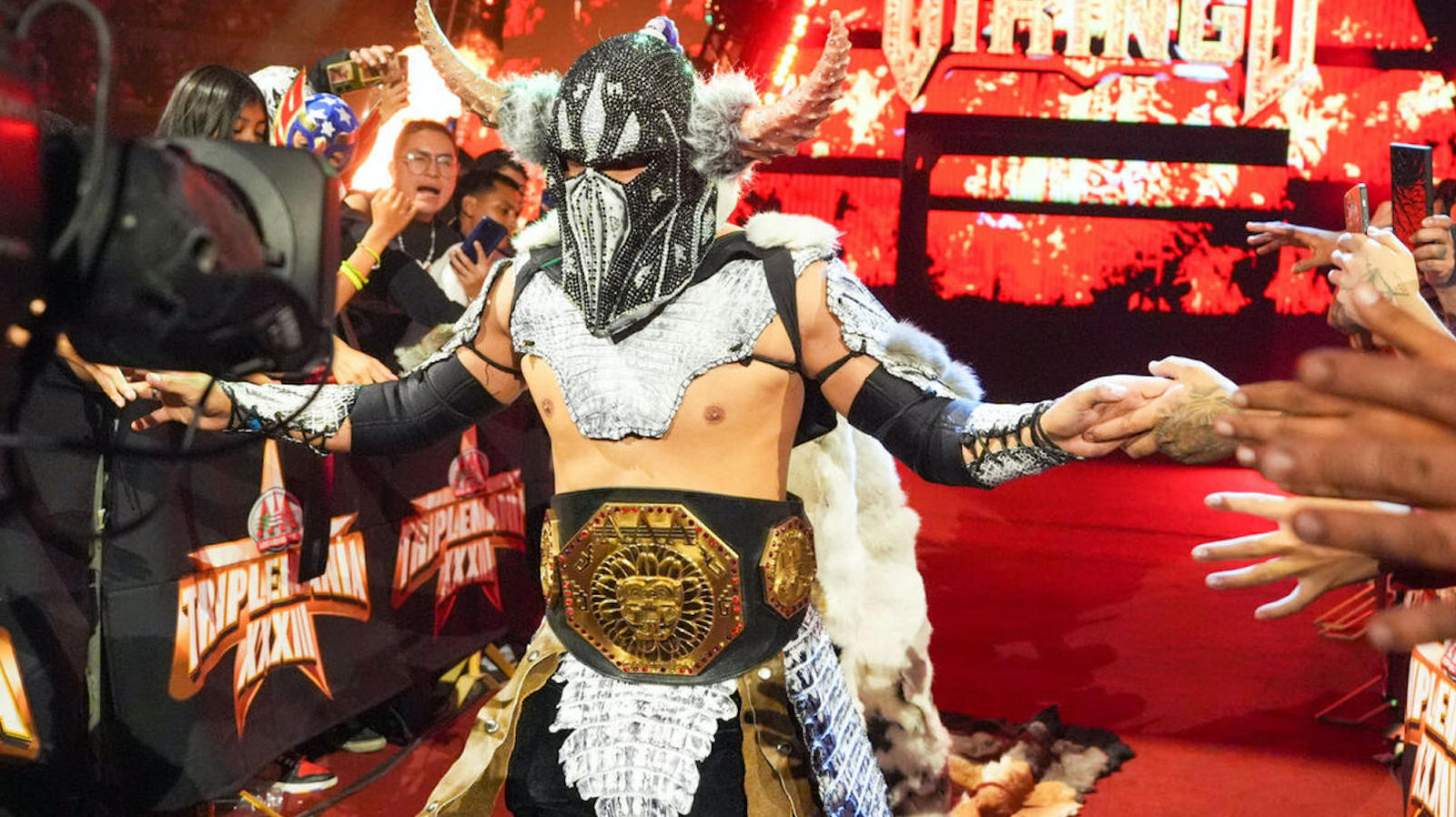
Foley argues that AEW cultivates a specific environment where secondary titles matter more. In practice, this means midcard matches are not merely time-fillers between the main event segments. They are intended to function as the technical backbone of the show. If the company fails to translate this philosophy into captivating television on air, the critique exposes a lack of follow-through rather than a lack of talent.
The mechanics of booking the middle
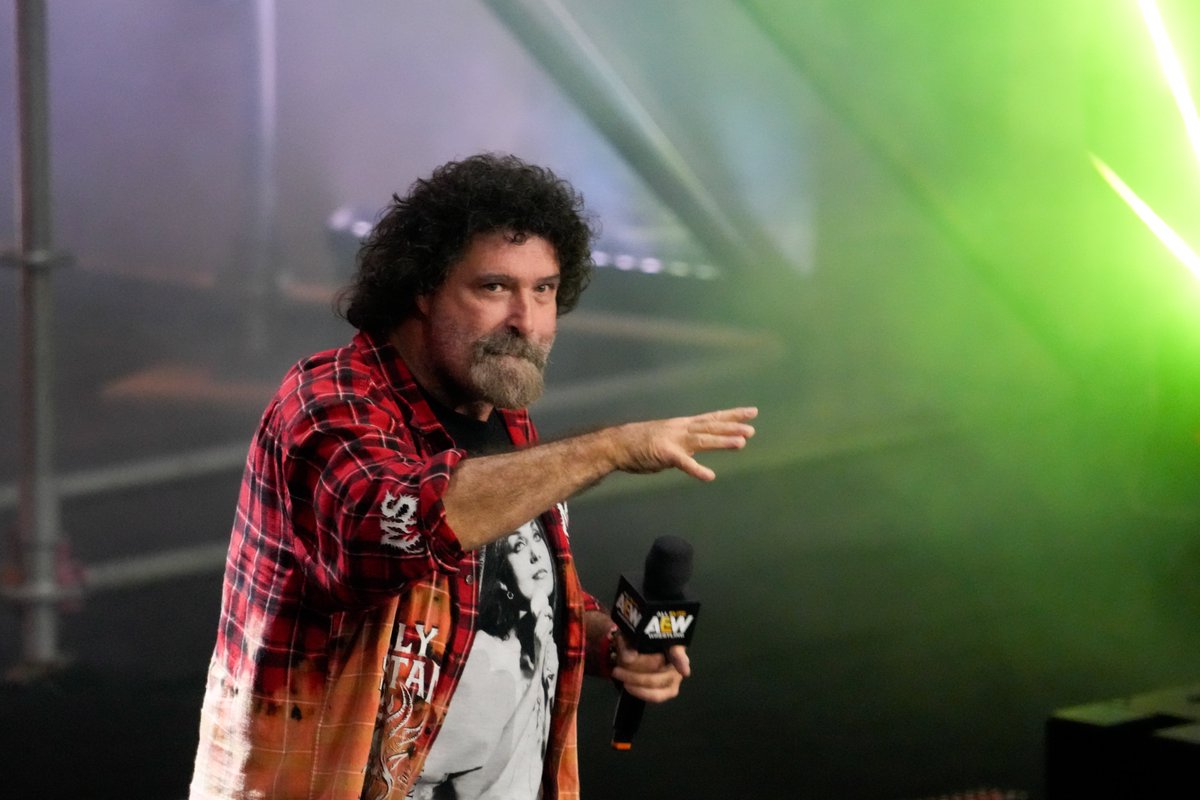
Translating momentum in a midcard division requires more than just decent match lengths. It demands stable rivalries that move from segment to segment without stalling at the 10-minute mark every single time. We have seen Mick Foley join the AEW ranks, a move that brings instant credibility to their creative discussions. His oversight might be the missing ingredient to move from good individual matches to narrative-driven series.
Critics often point to a lack of character development for non-main event stars. When the bell rings, the quality is rarely in question. However, the emotional investment from the live crowd often wanes during non-title midcard bouts because the stakes remain ambiguous. If you cannot track a clear trajectory for a performer over 8 weeks, that is a failure in the booking office, not the ring.
Where the execution falters
The transition from a promotion centered on spectacle to one centered on weekly storytelling is difficult. At times, the midcard feels like it exists in a vacuum. We see title changes occurring with high frequency, but the impact of those shifts rarely alters the trajectory of the division. If a belt changes hands on an average of every 4.5 months, it should mean something more than a hot potato effect.
Foley’s belief that there is more pride in the AEW midcard is a bold claim to test against reality. If the wrestlers themselves feel more invested, that needs to show in the post-match interviews and the in-ring psychology. Too often, we see fantastic athletic displays end without a clear hook for the following week. Even the most technically sound wrestlers need a reason to fight beyond just winning a contest.
Final analysis
Validation of Foley’s sentiment will hinge on the next three months of booking. The roster is saturated with talent who can deliver a 4-star match on short notice. The challenge is whether they can generate heat that sustains interest beyond the final pinfall. If the booking continues to rely on high-spots without character evolution, the 'pride' mentioned by Foley will eventually give way to audience apathy.
My prediction is that AEW will tighten its focus around the midcard titles by July, finally creating the consistent rivalries that veterans like Foley are clearly looking for. Expect to see at least 12 high-profile matches involving the secondary belts before August. Despite the current hit-or-miss nature of their storytelling, the raw talent advantage ensures they will succeed at least 80 percent of the time in delivering the goods.