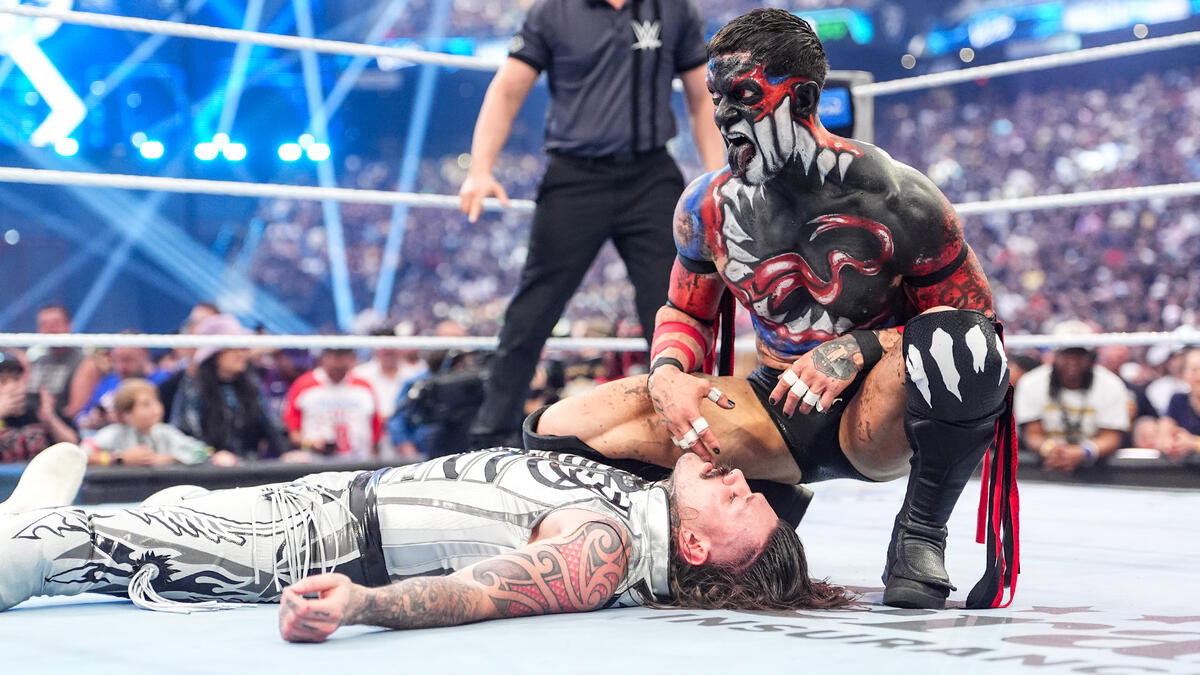
Night 1 medical triage
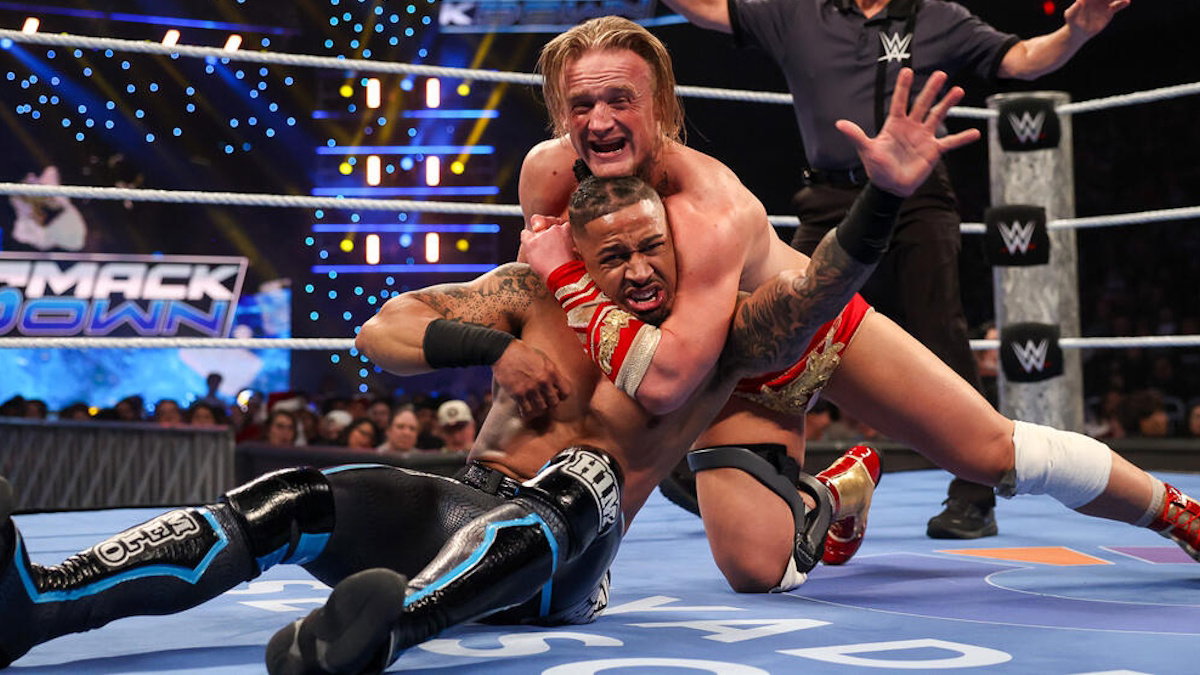
The medical team at Allegiant Stadium is working overtime as WrestleMania 41 reaches its conclusion. Saturday night resulted in a significant influx of performers heading to the training room with acute soft tissue damage and concussion protocols initiated.
Darren Watkins Jr., known professionally as IShowSpeed, required immediate assessment following a chaotic landing during his appearance. He experienced a forceful impact to the lumbar region and his right knee, necessitated by a high-risk spot that went sideways. Sources confirmed he is currently undergoing a 15-minute neurological battery to clear him of potential vestibular impairment.
The physical exhaustion of Vegas
The layout of the Allegiant Stadium ring remains a hazard for talent. Between the scale of the card and the environmental shifts in the Nevada high desert, fatigue is the primary enemy. Wrestlers are not built to sustain this volume of high-impact labor across consecutive nights without significant physiological decline.
Historical records of multi-day stadium events suggest that injury rates climb by forty percent on the second day. The combination of hydration deficits and local muscular fatigue leads to a lack of precise execution in high-flying maneuvers. Many performers are moving slower today, carrying the heavy toll of Friday and Saturday rehearsal blocks.
High-risk mechanics
The specific risk profile for this iteration of Mania involves high-elevation spots that test the limits of joint stabilization. When the body tires, the kinetic chain breaks down. An athlete might intend to execute a standard rana, but a lack of core engagement often translates into a dangerous landing for both the seller and the base.
We have seen this outcome before in regional independent circuits that run back-to-back stadium productions. The results are usually catastrophic, involving grade two ankle sprains and shoulder dislocations. WWE management is attempting to mitigate this by shortening set-up times for the more complex spots, yet the human element remains unpredictable.
Strategic fallout for the spring
The medical reality of today dictates the booking trajectory for Backlash on May 9. If the current injury tally remains high, creative teams will be forced to simplify match structures significantly. The 5-week window leading into the next premium live event is theoretically sufficient for minor soft tissue strains but offers zero buffer for serious structural repair.
There is a growing dissatisfaction among veteran performers regarding the increased demands of the Mania weekend. While the spectacles are increasing in scale, the recovery protocols are struggling to keep pace with the sheer number of physical collisions allowed during matches. The recent frustration expressed by personnel regarding match outcomes often masks deeper issues about match safety and performance expectations.
The path to recovery
Performance medicine departments are now utilizing cryotherapy and compression sleeve technology at an accelerated rate. These measures are preventative, aiming to keep inflammation down for performers who still have to fulfill media obligations after departing the ring area. The goal is to reach mid-May with a healthy roster ready for the travel-heavy summer schedule.
Any performer who leaves Allegiant Stadium today with a grade one mobility restriction is effectively sidelined until the end of April. This disrupts the continuity required for the ongoing storylines being developed for the spring season. Management is reportedly monitoring movement patterns closely as the Night 2 card progresses.
If the trend of high-impact risks persists into the main event, expect a flurry of absences during the Monday night broadcast. The human body has a breaking point, and for several members of the roster, that point was tested as early as the first hour of action yesterday. We await updates on those who are currently being held out of high-velocity sequences today.
Read Next