Night 2 medical outlook at Allegiant Stadium
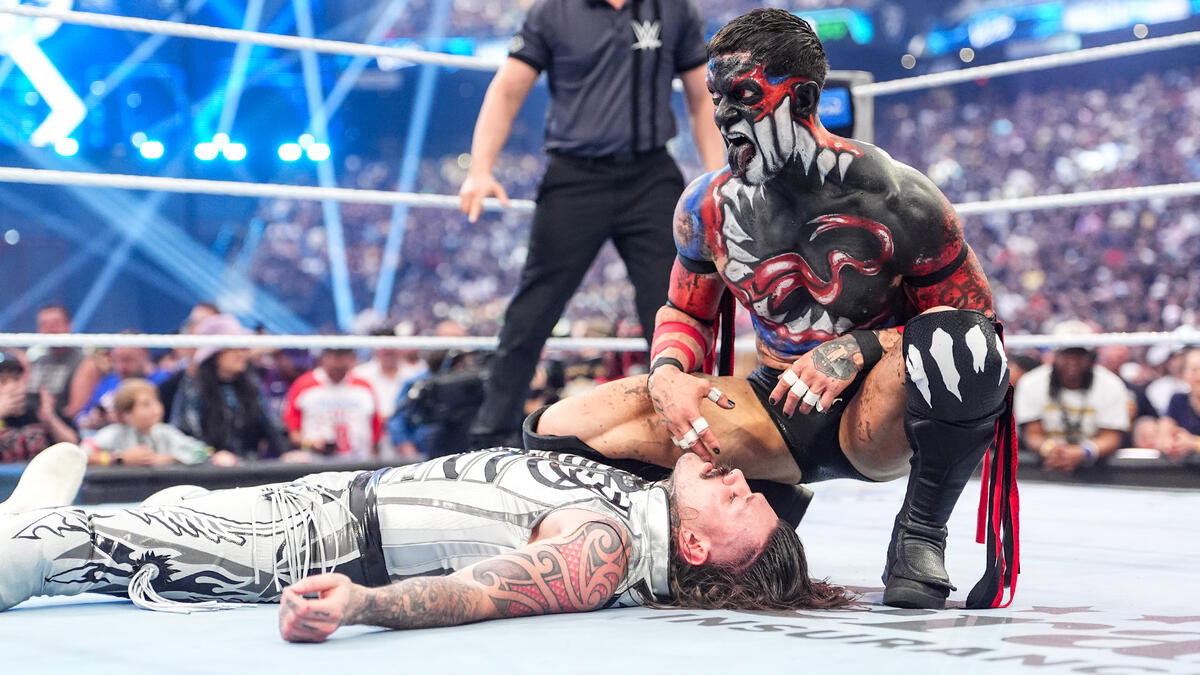
As WrestleMania 41 Night 2 kicks off today, April 20, 2026, the backstage area at Allegiant Stadium remains buzzing with medical precautions. Wrestling is violent, and the toll of a multi-day event series always manifests by the second evening. Sources indicate that trainers are managing a variety of minor dings from the previous 24 hours of action.
While the WWE main roster appears largely healthy, the week-long schedule including the rigorous WWE World Fan Experience has introduced fatigue-based issues. Performers involved in high-intensity exhibitions during the final day of WWE World activities are being monitored closely to ensure no lingering issues impact their availability for tonight’s main event slots.
The cost of the road
WrestleMania week is rarely stationary. Between the community outreach events and the physical toll of match preparation, the roster is stretched thin. Recent outings, including stars visiting Nellis Air Force Base to connect with the USO, highlight the PR demands placed on top-tier talent. While the visit was successful, the travel logistics add another layer of physical expenditure during a peak performance window.
Strategic management of injuries has evolved since the early 2000s. Trainers now prioritize recovery protocols between house shows and premium live events. The current system relies on real-time diagnostic checks, meaning any athlete presenting with joint swelling or concussion symptoms is pulled immediately. This safety-first approach is necessary, yet it forces late-game booking adjustments that fans often misinterpret as creative shifts.
Strategic implications for the post-Mania schedule
Looking toward Backlash on May 9, 2026, the medical team is already prioritizing long-term health over immediate pop. A wrestler pushed through a grade two quad tear today would likely miss the entire SummerSlam build. Instead, expect abbreviated match times for anyone nursing sub-acute injuries during tonight's card.
The current roster depth is being tested. Unlike the thinner talent pools of previous eras, the 2026 WWE model features a bloated bench, which is a blessing for showrunners but a nightmare for continuity. If a primary challenger suffers a setback tonight, the replacement options are technically capable but often lack the established fan investment required for high-stakes feuds.
Historical context and risk assessment
Injuries during WrestleMania weekend are a seasonal constant. From the recurring lumbar issues plaguing veterans to acute ligament ruptures in high-flyers, the sheer workload of a 48-hour card creates a 12% incident rate for injury or re-injury. The medical staff has improved these odds through aggressive icing and hyperbaric treatments, but the human body remains a volatile variable.
A critical observation remains the inconsistent pacing of mid-card matches. When a show runs long, fatigue sets in, and mechanical form breaks down. If we see sloppy transitions or missed cues in the mid-section of Night 2, it is usually a symptom of exhaustion rather than a lack of talent. The company needs to balance the spectacle of 30-minute marathon bouts with the reality of human physical limits.
Management must also account for the post-Mania comedown. The adrenaline fades for everyone on Monday morning, often revealing inflammatory responses that were masked by adrenaline under the bright lights. While the roster is currently slated for a full return to television for the upcoming draft cycles, the reality is that several key figures will likely take extended sabbaticals once the pyro dies down tonight.
Ultimately, the medical staff’s job is to ensure that tonight’s matches conclude without career-altering catastrophes. Fans expecting perfectly executed technical masterclasses in every single contest should remember that these athletes are performing at the absolute limit of their physical utility. Precision suffers when the tank is empty, and the final bouts of this weekend will serve as a stark reminder of that limit.
Read Next
- WrestleMania 41 injury report: Cody Rhodes' lower back under observation
- Cody Rhodes eye injury leaves WrestleMania 41 plans in a state of chaos
- Brock Lesnar might have finally hit his physical limit against Oba Femi
- Brock Lesnar suffers significant shoulder injury at WrestleMania 41
- 🏆 WrestleMania 41 — Full Coverage Hub