The Physical Cost of the Mania Grind
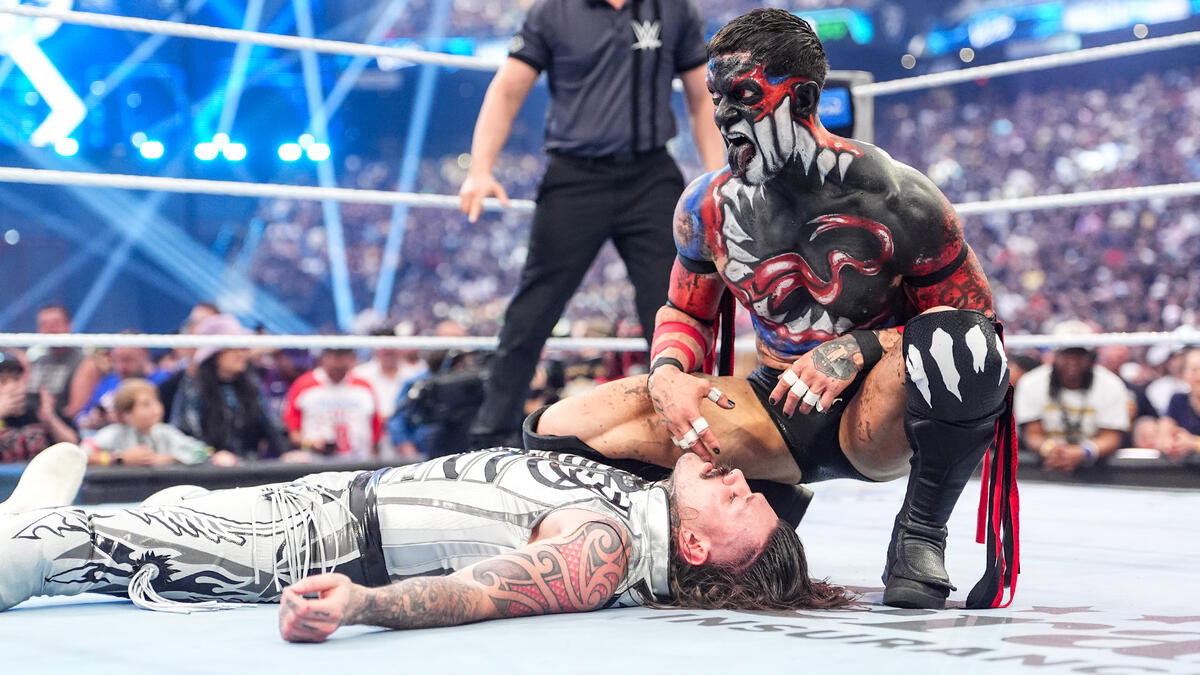
WrestleMania 41 arrived in Las Vegas with staggering production value and a physical toll that often stays behind the curtain. Between the rigorous television schedule and the final push leading into Allegiant Stadium, the roster has navigated a high-consequence period of wear and tear. While the company highlights the marquee matchups, the medical realities of the talent involved often dictate the booking.
We have seen a uptick in soft-tissue injuries during the pre-WrestleMania windows over the last three years. This isn't just about the bump card; it is about the inability to recover during the travel cycles required to promote these events. When stars reach this stage, they are often managing lingering issues that require surgical intervention the second the final bell rings on Sunday night.
The Dragunov-Hayes Precedent
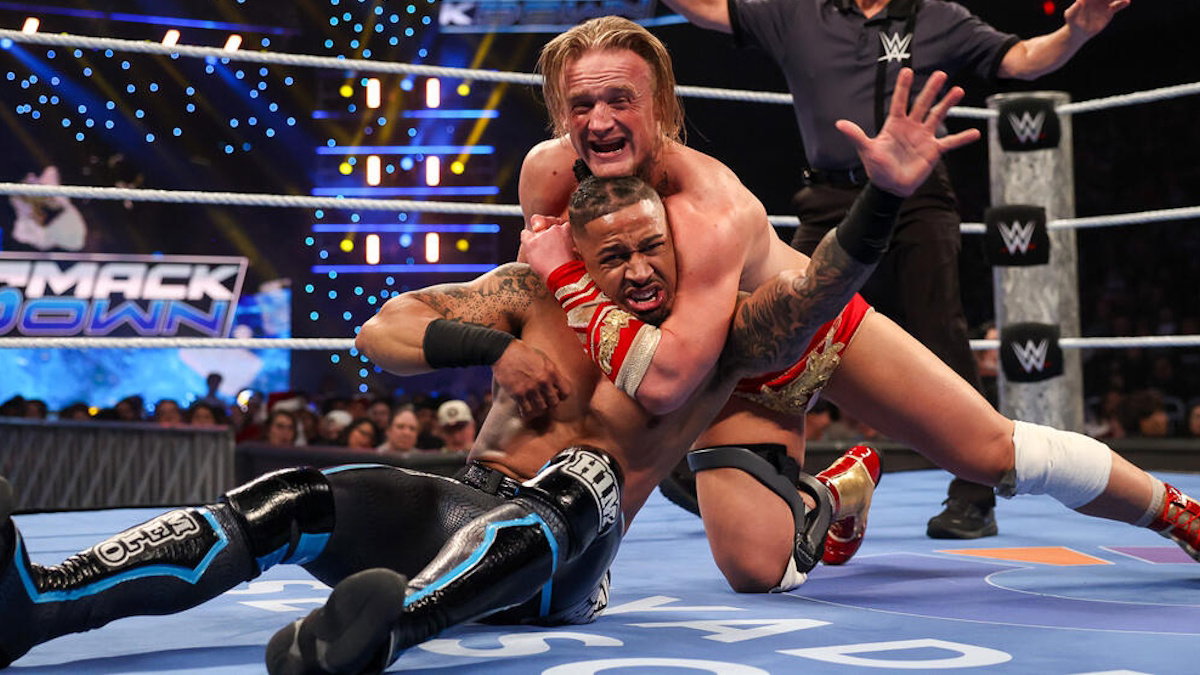
The exclusion of high-level talent like Ilja Dragunov and Carmelo Hayes from high-profile premium live events remains a lightning rod for criticism. While official channels often cite creative direction, internal medical assessments frequently force these decisions. Sources indicate that management prioritizes long-term availability over short-term appearances for athletes currently in the rehabilitation or maintenance phases of their cycle.
Dr. Keith Davis, a consultant familiar with professional wrestling sports medicine, notes that the repetitive impact of high-intensity grappling, specifically the impact of top-rope high-risk maneuvers, correlates directly with shoulder and lumbar instability. For performers like Dragunov, who built his status on an aggressive, collision-heavy style, the maintenance of joint health is a secondary full-time job. When the body reaches a 75% threshold of recovery, the risk of recurrence during a match is statistically significant.
Strategic Shifts in Roster Management
The decision-making process for WrestleMania cards now resembles a high-stakes engineering project. Protecting the product means balancing the desire for star power against the harsh reality of injury probability. We saw this reality manifest when performers were pulled from major spots in 2024 due to similar fatigue-based ailments. The move to hold back talent on large stages is not a sign of falling out of favor, but rather a calculation of career longevity.
Booking departments today favor athletes who can sustain a nine-month grind without requiring a mid-season hiatus to repair tendons. This shift has forced stars to adjust their repertoires. We see fewer high-risk landings and more emphasis on ground-based wrestling to preserve durability for the final quarter of the fiscal year.
Critical Outlook on Booking Risks
Despite these safeguards, the pacing of the current WrestleMania 41 card raises questions about athlete safety. Cramming too many high-intensity sequences into shortened time slots creates a environment where adrenaline masks injury symptoms until it is far too late to adjust. During the opening segment yesterday, the speed of the transitions left little room for workers to safely verify the positioning of their opponents.
When performers like Dragunov and Hayes miss these spots, the narrative frustration is obvious. However, the medical data suggests that skipping the biggest event of the year can add years to a wrestler's active professional life. If the trend of protecting talent continues, we should expect more surprises in card stability as the medical team gains more influence over the creative process.
The Path Forward Post-WrestleMania
As the industry pivots toward the summer schedule including Backlash on May 09, 2026, management will face an exodus of talent heading into post-Mania surgeries. Historically, the Monday following the second night of WrestleMania is the busiest period for orthopedic surgeons associated with the major promotions. Athletes who worked through partial tears or ligament strain for weeks will finally step under the knife.
Fans should expect gaps in television appearances for several top-tier performers through the start of the summer. The industry relies on the endurance of a shrinking tier of iron-man wrestlers, but this reliance is inherently brittle. Effective roster management will be defined not by who makes the card, but by who is successfully protected from the inevitable injury cycle following the biggest weekend of the calendar year.