The physical toll of the road to WrestleMania
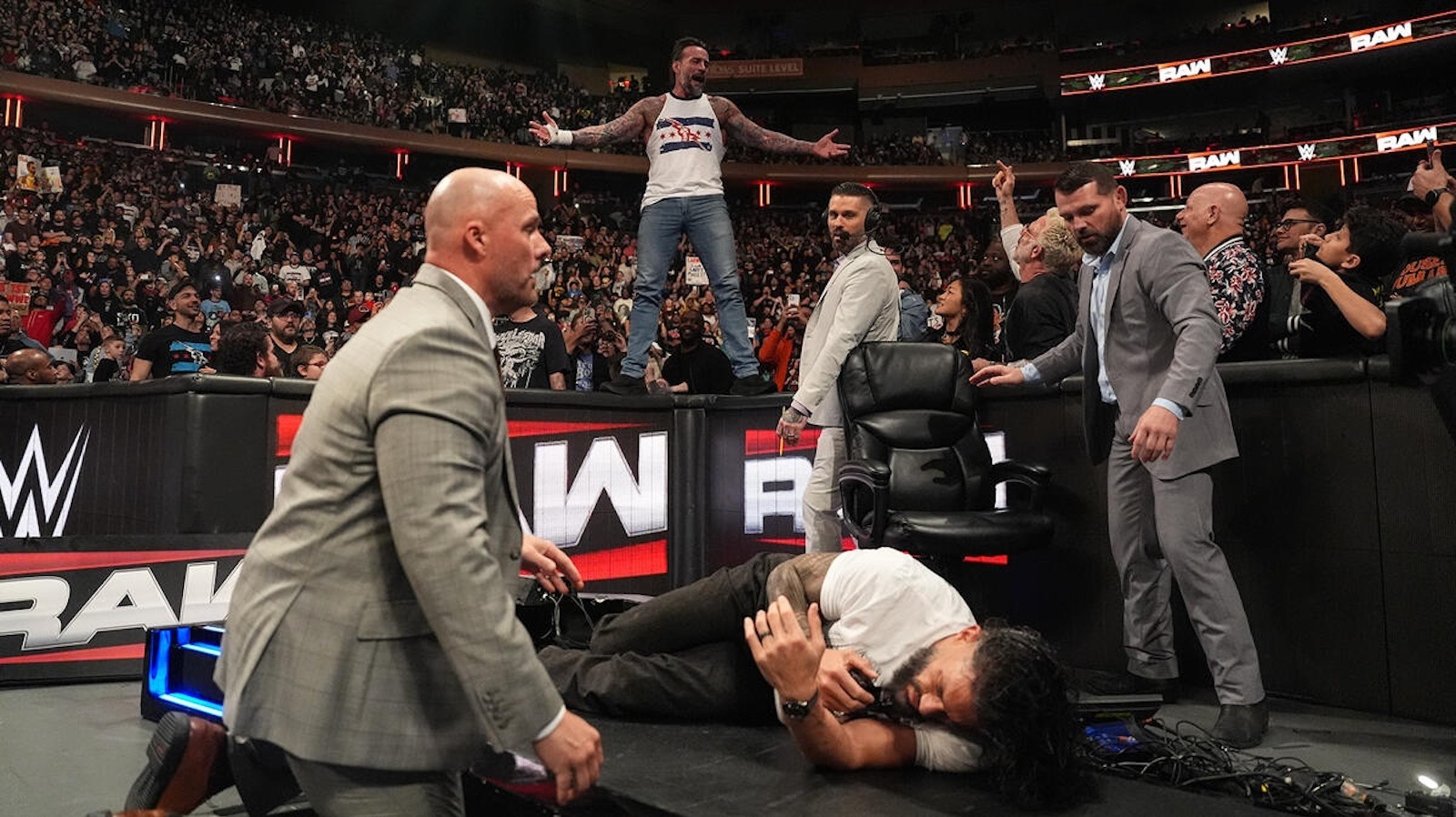
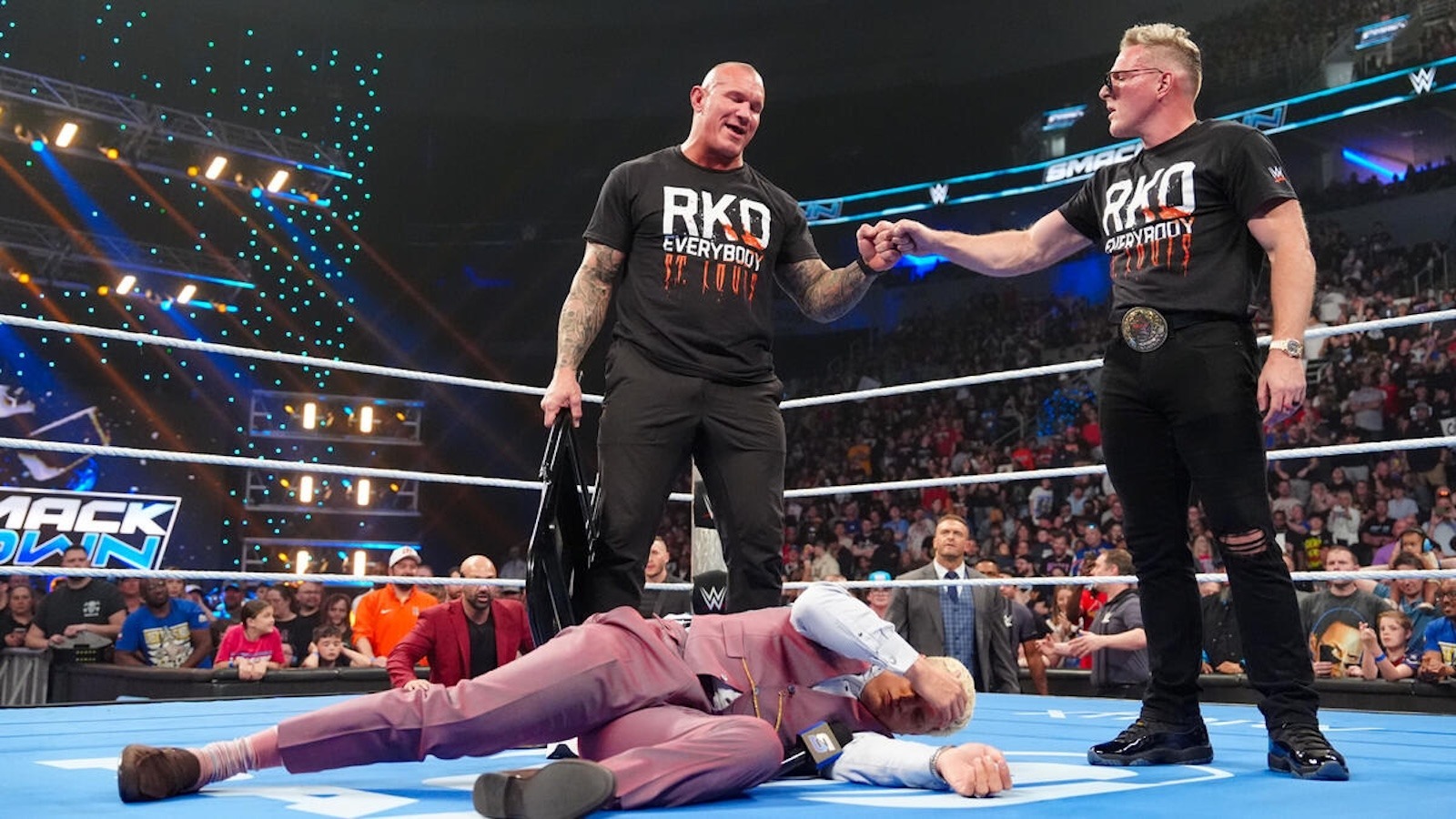
The April 3, 2026, episode of SmackDown served as a high-stakes staging ground for WrestleMania 41, now just fifteen days out. While the television broadcast provided necessary momentum, the behind-the-scenes reality involves a tightening medical unit as performers navigate the final push. Several athletes are currently managing residual damage from high-impact spots during the recent televised run.
We are tracking reports of recurring lower-body instability for top-tier talent in the aftermath of physically demanding matchups. Physical therapists and designated medical staff have been monitoring these situations closely. The goal remains clear: ensuring key players are cleared for active competition by the time the bell rings on April 19.
Analyzing the medical bottleneck
The challenge of immediate recovery
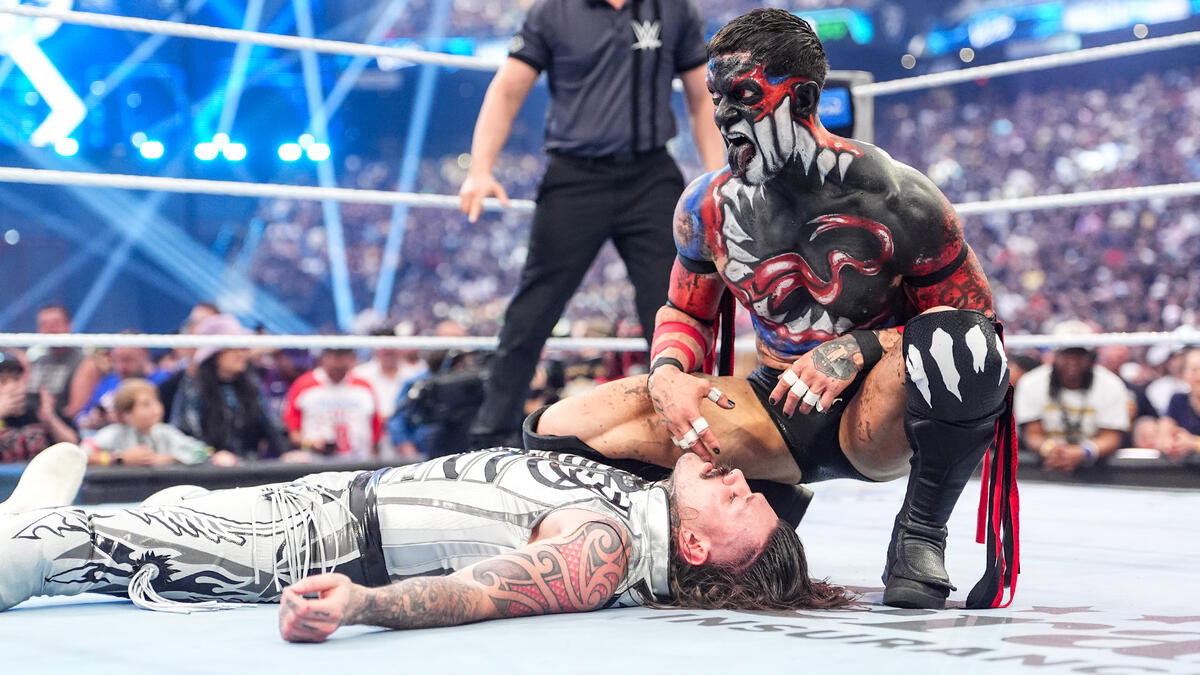
The proximity of weekly television to premium live events creates a significant recovery deficit. When talent engages in maneuvers like cage dives or multi-person tag outings, the repair time for musculoskeletal strain is compressed. We are seeing a pattern where performers are sidelined from non-televised appearances during the week to preserve their availability for the flagship show.
One consistent issue observed during the April 3 program was the visible lack of selling longevity in certain high-spot sequences. While the narrative requirements demand high intensity, the immediate aftermath revealed several performers moving with obvious hesitation. This is a recurring issue in professional wrestling where high-risk maneuvers are prioritized to drive social media engagement, often at the expense of athlete durability.
Competitive outlook for mid-April
The schedule for talent is currently non-negotiable. With WrestleMania 41 slated for April 19 and April 20, the window for addressing significant strains or ligament damage has effectively closed. Any injury sustained during the next ten days typically leads to a modified match structure rather than total removal from the event card.
Historically, the organization leans into shortened, optimized bouts when talent is physically compromised. We have seen this methodology deployed in past cycles, such as the period leading into the recent SmackDown episode on April 3. Expect booking leads to prioritize shorter sequences that utilize veteran psychology over high-collision spots for those currently undergoing medical assessments.
Strategic implications and industry shifts
The industry remains focused on performance metrics over recovery duration. The decision to run full-contact schedules within three weeks of the year's marquee event remains a point of contention among medical professionals. The pressure to maintain television ratings often outweighs the benefits of a staggered training schedule.
Market competitors are watching closely. Shifts in how talent is utilized during these high-intensity windows directly influence how other promotions weigh their own medical policies. Overworking the roster during the peak season creates a ripple effect, often resulting in lackluster performances or last-minute card shuffling that affects the viewer experience.
We have reached a point where the medical staff's ability to patch up performers under extreme time pressure is as crucial as the creative team's ability to write a compelling script. If the current trend of heavy-collision booking holds, expect more frequent reports of minor injuries being managed behind the scenes. This reality is a byproduct of the modern demand for constant, high-octane content.
One negative observation persists: the current pace fails to factor in the long-term career viability of junior-level performers. By pushing individuals through high-impact rehearsals and live segments simultaneously, the organization risks significant recurring injury patterns. WrestleMania 41 looms large, and the upcoming twelve days will determine whether the current roster can navigate the physical reality of a main-event schedule without further attrition.
For those tracking the movement, the next 15 days represent the most fragile portion of the calendar. Look for changes in how names appear on the card as the medical team provides final clearance reports leading into the event. The goal is to reach total capacity for the weekend, but the process of getting there remains fraught with uncertainty.