The Post-Mania Body Count
The 2026 wrestling calendar is unforgiving. WrestleMania 41 in Las Vegas concluded just weeks ago, and WWE Backlash is looming on May 9. The turnover is aggressive.
Behind the scenes, the physical toll of this sprint is coming due. Rumors are circulating via WrestlingNews.co that another wave of roster cuts is imminent. While fans often blame creative direction for these releases, the reality is far more clinical. The medical reports dictate the spreadsheet.
When a superstar gets injured, they become a financial liability. The current WWE business model demands constant availability. If a talent is sidelined for nine months, their downside guarantee becomes dead money.
The lack of a wrestlers' union means there is no guaranteed safety net for those who destroy their bodies for the promotion. It is a cold, calculated process. Management evaluates the severity of the injury, the expected return date, and the age of the performer. If the math fails, the release is processed.
Working Through the Pain
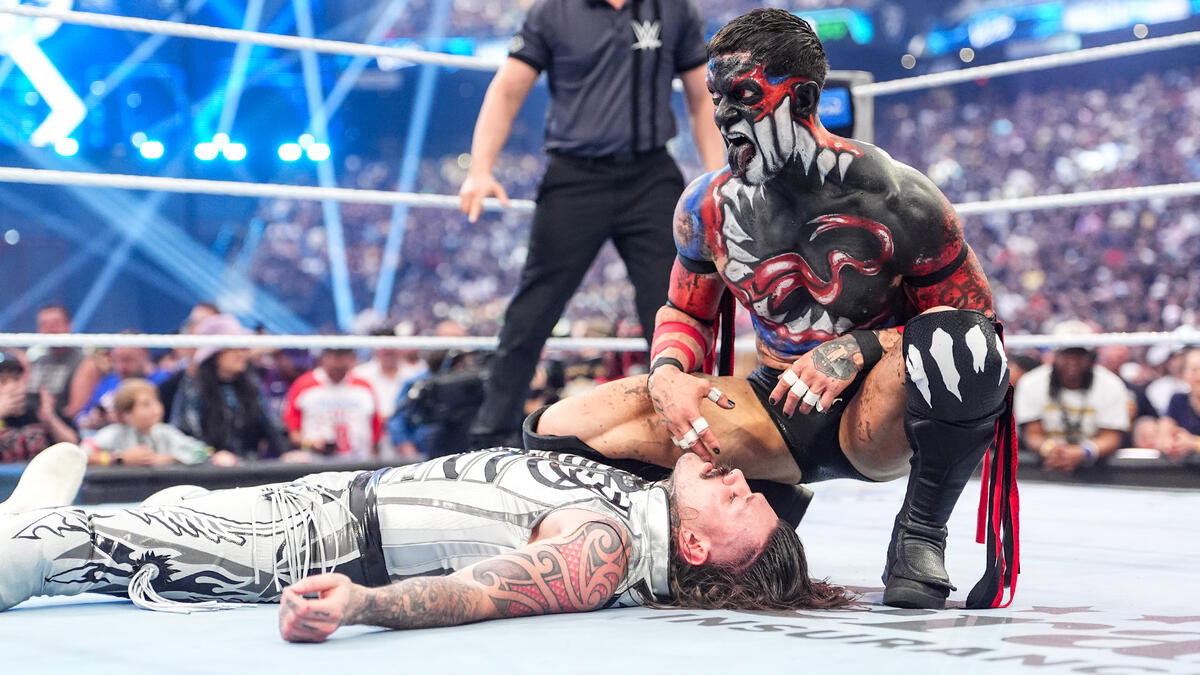
WrestleMania 41 was a massive two-night spectacle. The matches involving John Cena's farewell and Cody Rhodes defending the WWE Championship demanded peak physical performance. Performers worked injured just to secure their spot on the biggest card of the year.
It is an open secret in the locker room that you do not report a nagging injury in March. You wrap it in tape, take some anti-inflammatories, and survive until April. But the bill always comes due.
The weeks following WrestleMania are when the adrenaline wears off and the MRIs are ordered. The medical staff is currently sorting through the aftermath of Las Vegas. Some talents will need minor arthroscopic cleanups. Others are staring down major reconstructive procedures. And unfortunately for the mid-card, a major surgery right now often leads directly to the unemployment line.
The Physiology of a Roster Cut
Consider the anatomy of a torn pectoral muscle. This injury has plagued the modern locker room. The pectoralis major connects the sternum to the humerus.
Catching a diving opponent or taking a high-velocity flat back bump places extreme eccentric stress on this tendon. We saw Cody Rhodes famously endure a completely detached right pectoral at Hell in a Cell in 2022. The bruising turned his entire torso purple.
The surgical intervention is brutal. A surgeon drills into the humerus and anchors the tendon back to the bone. The recovery timeline is strictly six to nine months. The first three months involve passive stretching just to regain basic mobility.
If a mid-card performer suffers this tear in May 2026, they are instantly at risk of being cut. WWE is rarely willing to wait nine months for someone who isn't a main event draw.
Shredded Knees and Frozen Shoulders
The knees take an equally devastating beating. The anterior cruciate ligament is the primary stabilizer of the knee joint. A sudden change of direction, a bad landing from a top-rope maneuver, or planting the foot to deliver a powerbomb can cause the ligament to snap.
Seth Rollins tore his ACL, MCL, and medial meniscus simultaneously during a live event in Dublin back in 2015. The pop is loud. The structural integrity of the knee vanishes instantly.
Reconstructive surgery requires harvesting a graft, usually from the patellar tendon or a hamstring, to build a new ligament. The rehabilitation is a daily grind. It takes six weeks just to get the knee bending normally again.
Returning to the ring requires the athlete to trust that a dead piece of tissue will hold up while carrying a 250-pound opponent. For management looking to trim the budget, a talent with a history of bilateral knee reconstructions is a massive red flag. Chronic knee issues frequently lead to a contract termination.
The shoulder joint presents another set of complications. It allows for massive range of motion, which is necessary for delivering clotheslines, climbing the turnbuckles, and absorbing impact. But that mobility comes at the cost of stability.
The labrum is a ring of cartilage that deepens the shoulder socket. When a wrestler lands awkwardly on an outstretched arm, the humerus can pop out of the socket, tearing the labrum in the process. Sami Zayn dealt with severe bilateral labrum tears that required extensive surgery early in his main roster run.
Repairing a SLAP tear involves suturing the cartilage back to the bone. The rehab is notoriously miserable. The arm is locked in a sling for a month to allow the tissue to scar down. Once the sling comes off, the shoulder is stiff and frozen.
It takes months of painful physical therapy to regain the ability to simply raise the arm above the head. When a talent undergoes shoulder surgery, they disappear from television for the better part of a year. Out of sight means out of mind for the booking committee.
Neck Trauma and Concussions
Then there is the cervical spine. Neck trauma is the most terrifying medical reality in professional wrestling. The repeated compression of the spine from taking back bumps adds up over the years. A misplaced suplex or a stiff piledriver can cause sudden whiplash, leading to disc herniation or spinal stenosis.
Stenosis is the narrowing of the spinal canal, which pinches the spinal cord. This is the condition that forced both Edge and Steve Austin into early retirements. The standard medical fix is an anterior cervical discectomy and fusion.
The surgeon removes the damaged spinal disc and fuses the adjacent vertebrae together using bone grafts and titanium plates. WWE's medical protocol regarding neck injuries is rigid. If an MRI reveals significant cord compression, the wrestler is not cleared to compete.
The medical staff refuses to risk a catastrophic in-ring paralysis. When clearance is denied permanently, the contract is usually terminated shortly after.
Concussions represent another major factor in roster decisions. The industry has slowly modernized its approach to head trauma, moving away from the barbaric mentality of the 1990s. ImPACT testing and baseline neurological exams are now standard procedure.
Unlike a torn muscle, a brain injury cannot be repaired with a scalpel. The brain simply requires time. Post-concussion syndrome can linger for over a year. Symptoms include severe vertigo, chronic nausea, light sensitivity, and deep depression.
If a superstar remains in the concussion protocol for an extended period, their value to the company drops to zero. They cannot wrestle. They cannot travel. They cannot take bumps. The medical staff will not clear them due to the extreme danger of secondary impact syndrome. Eventually, the front office cuts their losses.
The Free Agent Fallout
The impending releases reported this week are a direct reflection of this corporate dynamic. The modern WWE roster is the most athletic in history, but the human body has limits. The schedule demands over 200 days on the road. The bumps are harder, and the moves are faster.
For AEW, this post-WrestleMania purge is a massive scouting opportunity. With AEW Double or Nothing scheduled for May 24, Tony Khan and his front office will undoubtedly be watching the waiver wire. Released WWE talent carry a standard 90-day non-compete clause for main roster contracts.
That puts their potential AEW debuts squarely in late August 2026. But taking on damaged goods is a major risk for any competitor. Signing a released WWE superstar means absorbing their medical history.
A wrestler with a repaired neck or reconstructed knees might pop a massive television rating on their debut episode of Dynamite, but their long-term durability is always in question.
The intersection of medical health and corporate employment in WWE is a grim reality. Independent contractors sacrifice their joints, ligaments, and brains to entertain the masses. When their bodies finally give out under the pressure, the company often responds with a pink slip.
As the locker room prepares for Backlash 2026, several names are likely realizing their recent medical evaluations have sealed their fate. The physical cost of the WrestleMania season is exacted in blood, bone, and ultimately, employment.