The physical toll of active rosters
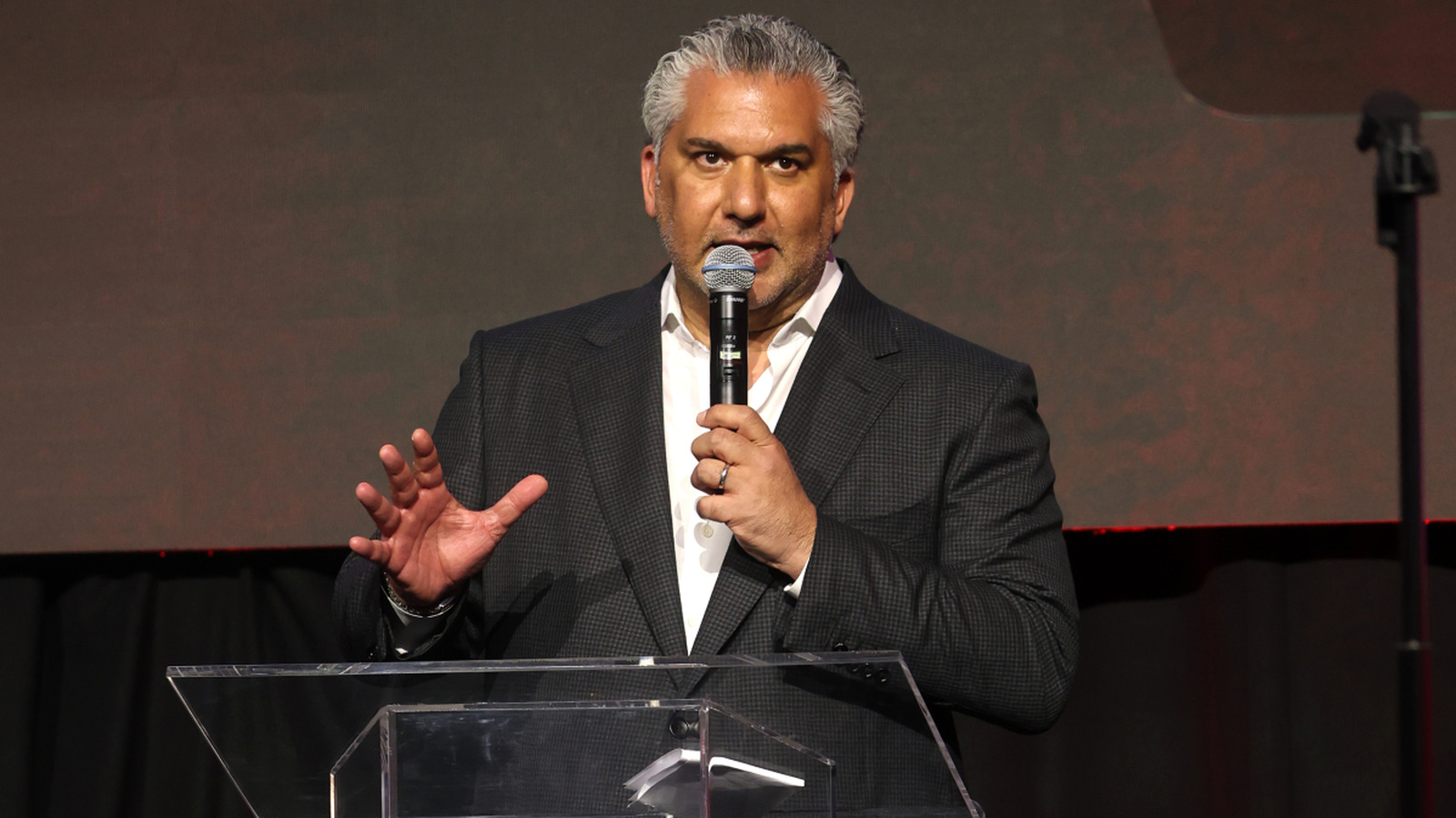
WrestleMania 41 arrives with a high volume of talent operating at less than 100 percent. While WWE's performance center protocols have tightened under Paul Levesque and Shawn Michaels, the transition of talent from NXT to the main roster remains a deliberate, slow-burn process. Nick Khan recently addressed the timeline for this talent pipeline, noting that the goal is readiness over speed.
This vetting process serves a dual purpose. It protects the company from premature main-roster injuries caused by lacking the necessary conditioning to withstand the schedule of active televised touring. When talent moves too quickly, gaps in physical development often manifest as soft-tissue injuries or recurring concussive issues that sideline major programs just as they hit their peak.
Understanding the developmental delay
The conversation between Nick Khan, Triple H, and Shawn Michaels focuses on long-term durability. By keeping talent in NXT under Matt Bloom's watch, the company aims to mitigate the risk of career-ending injuries that plagued previous eras where wrestlers were pushed onto the main roster before their bodies could adjust to the workload.
Critics point out that this caution creates an artificial ceiling for emerging stars. Forcing talent to wait in the performance center for extended cycles can lead to stagnation. When performers return to the ring after long stretches of non-televised training, the sudden spike in intensity during a high-stakes event like WrestleMania introduces a different set of hazards involving impact-related trauma.
Historical context and risk mitigation
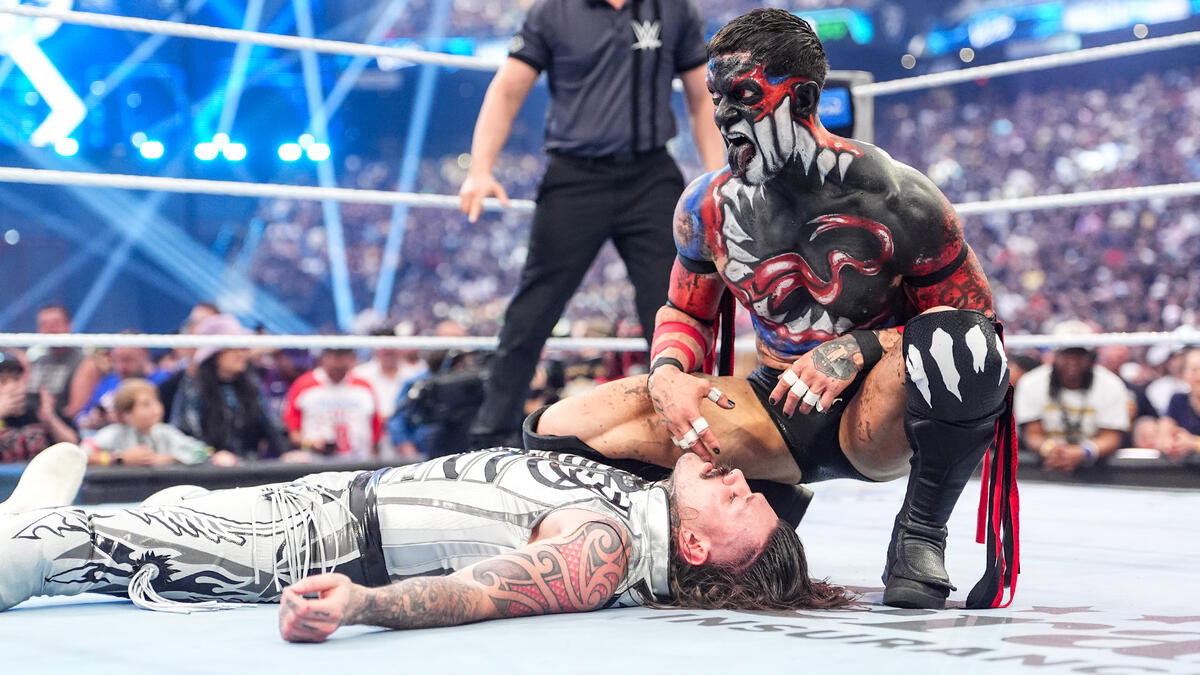
High-profile injuries have historically crippled the creative trajectory of WrestleMania weekends. We have seen main event plans scuttled by ACL tears and neck issues, forcing sudden, awkward rewrites. The current strategy aims to prevent these last-minute pivots by standardizing the conditioning required for main roster output.
Despite these safeguards, the wear and tear on existing rosters remains noticeable. Superstars working the current schedule on the road to Las Vegas are displaying signs of cumulative impact. Whether it involves chronic shoulder instability or lower back degradation from thousands of bumps, the reality of working a full-time WWE calendar persists regardless of institutional planning.
The strategic burden on the main roster
The current injury landscape puts immense pressure on veterans to maintain the quality of major pay-per-views. As Nick Khan discussed in recent meetings, the objective is to harmonize the output of the performance center with the business demands of the television contracts. The balance is not always perfect.
One major flaw in the current directive is the under-utilization of depth when injury waves strike. When multiple roster members are forced out due to minor knocks, the reliance on a shrinking pool of top-tier talent creates a bottleneck. This often leads to excessive repetition in matches, increasing the exposure of performers to dangerous spots that could otherwise be avoided if the roster depth were fully deployed.
Managing the post-WrestleMania cycle
As the company moves toward the post-WrestleMania landscape, the focus shifts to internal physical maintenance. The next thirty days serve as a critical cooling-off period for those carrying injuries into the desert. The medical staff at the Performance Center typically mandates a strict recovery schedule, moving away from high-impact training in favor of joint mobility and structural rehabilitation.
While fans may clamor for fresh faces to fill the voids left by injured stars, the leadership maintains that the patience required for proper development is mandatory. It is a slow, methodical approach to building a roster that can theoretically stay healthy for 52 weeks of the year. Whether this approach pays off or simply frustrates the talent base remains the defining question of the current administrative era.