The Big Picture
Professional wrestling in 2026 is defined by a frantic pace and a shift toward high-velocity, technical exhibition. The boundary between television entertainment and legitimate athletic competition has blurred to the point of being indistinguishable.
The Rankings
10. Thekla's AEW Arrival
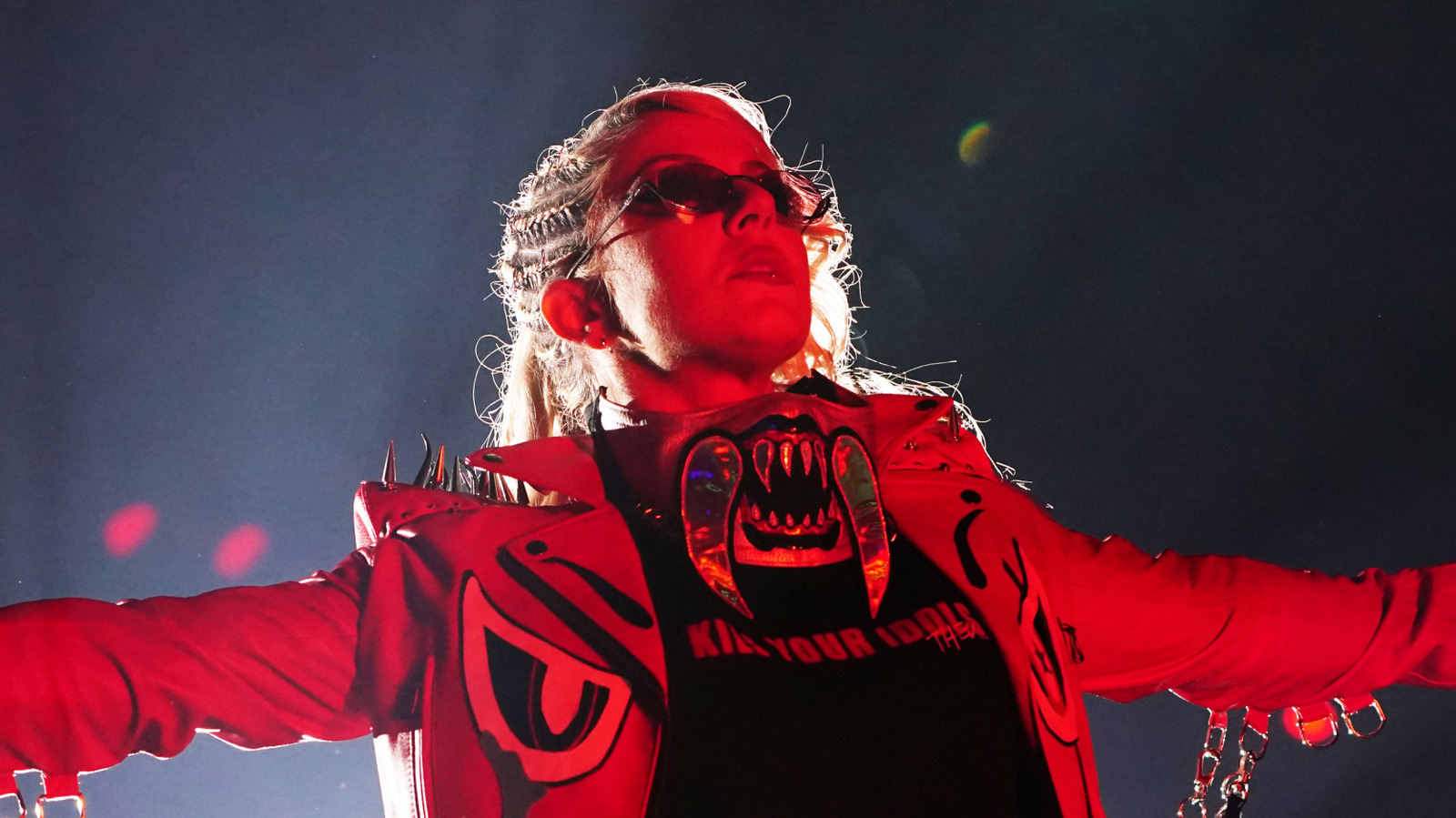
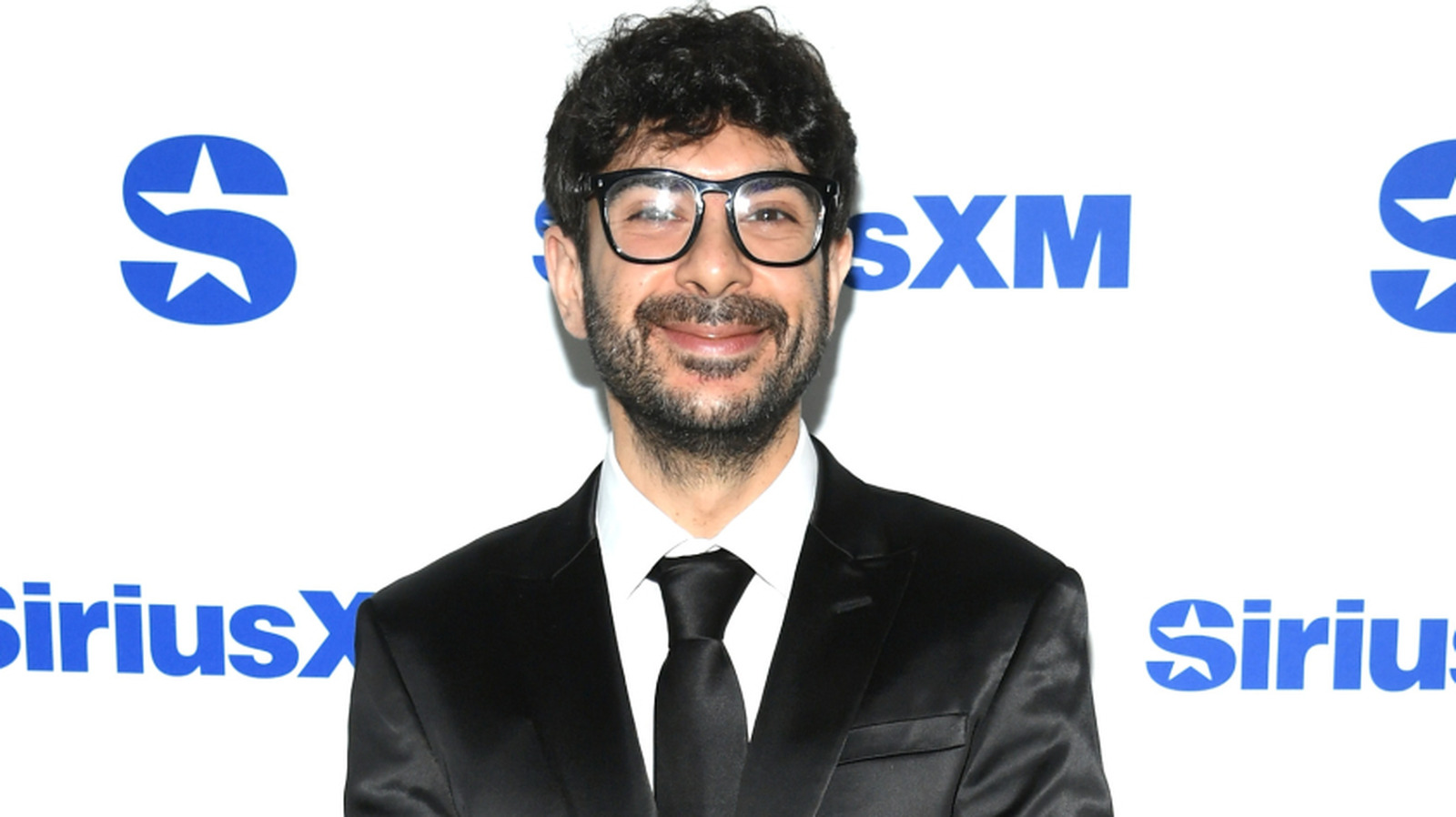
Tony Khan recently identified Thekla as the standout MVP among the new wave of AEW acquisitions. Her ability to blend high-risk striking with technical ground-and-pound has forced the rest of the roster to upgrade their conditioning. It is a rare case where the management's internal pick actually matches the fan reaction on social media.
9. The WrestleMania 41 Night 1 Kickoff
The spectacle of tonight's opening sequence set an aggressive tone for the weekend. By eschewing the standard pyro displays for a more grounded, lights-out presentation, the promotion prioritized the athleticism of the opening bout. It feels like a genuine reset after years of bloated, ten-minute entrance montages.
8. The Mid-Season Title Swap
The abrupt transfer of the secondary championship mid-way through the spring schedule caught the audience off guard. It effectively halted the momentum of the incumbent champion without building a sufficient narrative reason for the shift. Creative booking decisions like this often confuse fans rather than generate genuine heat.
7. The Performance Center Tech Reform
Integrating biomechanical analysis into training sessions has altered how emerging talents move in the ring. You can see the shift in the fluidity of top-turnbuckle transitions compared to two years ago. The trade-off is a slight loss in the traditional, gritty character work that once defined the developmental path.
6. The Heavyweight Tactical Shift
We are seeing a move away from the traditional 300-pound brawler toward leaner, more agile specialists. Matches now prioritize 85 percent work rate over standard slow-burn storytelling. This creates shorter, punchier segments perfect for the current digital consumption habits of the audience.
5. The Main Event Clock
The implementation of stricter official match timers has eliminated the drag of late-night television slots. Matches that would have historically dragged to twenty minutes are now finished in twelve with higher intensity. It keeps the viewer engaged, but it limits the space for necessary ring psychology or character development.
4. The Rise of Hybrid Submission Grapplers
More talent is utilizing complex grappling sequences pulled directly from modern MMA gym cultures. Seeing a standing kimura turn into a swinging vertical suplex is the current standard for high-end bouts. It raises the ceiling for technical proficiency but makes the occasional classic brawler look dangerously obsolete.
3. The Global Talent Migration
Talent exchange programs have essentially globalized the booking sheets overnight. As Wrestling Inc reported, the influx of international stars like Thekla is forcing domestic veterans to evolve or face irrelevance. It is the most significant influx of pure wrestling talent since the late 1990s.
2. The Live-Streamed Training Sessions
Putting actual training footage behind a premium paywall was a bold transparency move. It demystified the process, changing how fans critique the "work" being done in the ring. The side effect is a hyper-critical fanbase that treats every minor foot placement error as a catastrophic booking failure.
1. The Agentic Workflow Revolution
The industry has finally automated the mundane aspects of pre-match promotion and logistical scheduling, freeing up performers to build their own brands. AI-driven logistics mean that travel and venue coordination happen in real-time, removing the chaos that plagued the mid-2020s circuits. Modern wrestlers are now becoming genuine CEOs of their own personal brands while still carrying the heavy lifting of the physical craft.
Honorable Mentions
The unannounced return of long-lost tag teams during the spring cycle failed to move the needle due to poor build-up. Additionally, the over-reliance on sudden, non-televised injury pivots remains a frustrating oversight in modern script management.