The Physical Cost of April Schedules
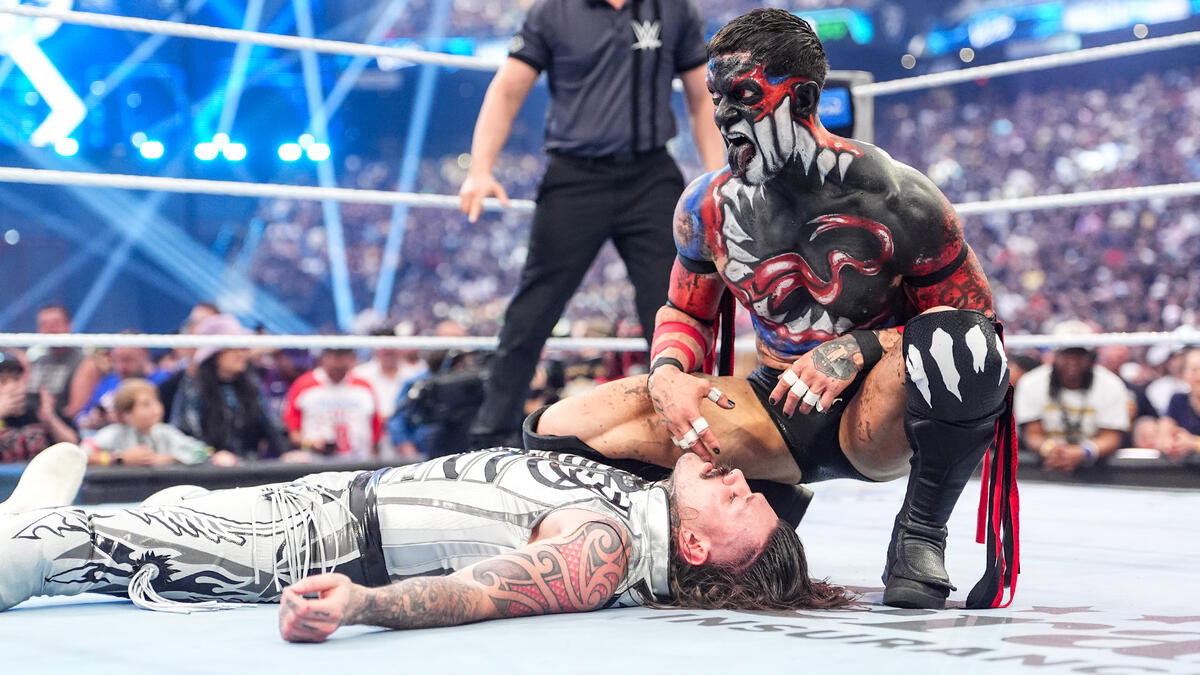
As the industry descends on Las Vegas for WrestleMania 41, the medical department is currently the most active space in any promotion. With the show occurring on April 19 and April 20, 2026, the two-week window leading into the event is historically the most dangerous for talent. The grueling travel schedule and the pressure to lock in spots mean that minor injuries are frequently masked or ignored entirely.
History dictates that the intensity required for the main stage often results in premature returns. In 2025, several top-tier performers attempted to gut through structural issues, only to face extended sidelines in the post-summer period. The physical toll on joints and ligaments in modern style wrestling, which emphasizes high-speed transitions and frequent impact, remains at an all-time high.
Evaluating Risk Management
Internal training protocols have evolved, but they cannot account for the sheer physical attrition of a full-time schedule. Management often relies on private medical facilities to bridge the gap between injury and recovery. The focus is rarely on full healing; it is almost exclusively on functional ability. Athletes are cleared when they can pass a basic range-of-motion test under low-intensity conditions.
This methodology produces a specific type of failure where early exits from matches occur due to persistent, recurring issues. An athlete might look fine during a standard taping, but the explosive movement involved in a signature spot testing the integrity of a surgically repaired knee or shoulder is where these plans collapse. The reliance on this model of fast-tracked returns is a systemic flaw that continues to haunt creative planning.
The Logistics of WrestleMania Week
Beyond the ring, the logistical footprint of WrestleMania is immense. Talent is pulled in multiple directions, including promotional appearances and media obligations. For instance, Chris Van Vliet is hosting his live show at the Circa Resort & Casino on April 16, adding to the packed schedule for performers operating in the Las Vegas area. Rest cycles are almost non-existent during this week.
When athletes are forced to maintain weight, conduct interviews, and prepare for high-stakes matches simultaneously, sleep deprivation becomes a compounding factor. Fatigue significantly increases the likelihood of catastrophic muscle tears. Competitors who are already working with a deficit in recovery time from previous bouts are the most exposed to these risks.
Strategic Implications for Post-Event Booking
The immediate aftermath of WrestleMania 41—scheduled for April 19-20, 2026—will be dictated by who can actually walk out of the arena under their own power. If a key headliner exits the event with a grade-two ligament tear, the entire creative roadmap for May is rewritten overnight. The transition to the Backlash event on May 9, 2026, leaves almost zero buffer for those suffering acute injuries during the Vegas weekend.
Competitors remaining on the active roster must manage their output carefully. The smartest athletes avoid excessive high-impact spots in the week preceding the event, focusing instead on character work and safer, ground-based sequences. Those who insist on testing their mobility during training sessions in the run-up to the event are essentially rolling dice with their own career longevity. The margin for error is effectively removed by the proximity of these dates.
Historical Patterns of Mismanagement
We are seeing too many talents prioritize their card position over long-term physical viability. In previous years, wrestlers returning from compound fractures or chronic back issues have felt obligated to prove their durability by working unnecessarily stiff styles. This approach frequently backfires, leading to secondary issues in compensating muscle groups. It is evidence of a failure in organizational oversight where talent feel they must gamble with their health to maintain relevance.
Booking teams would be wiser to limit full-contact rehearsals in the days following arrival in the event city. Watching a talent rehearse a spot on a concrete floor or a non-standard ring setup is a headache for any medical professional. The industry needs to transition away from the 'show must go on at any cost' mindset if it wants to protect its most valuable assets. Until that happens, the cycle of injury, denial, and medical leave will repeat every April with predictable, if unfortunate, regularity.