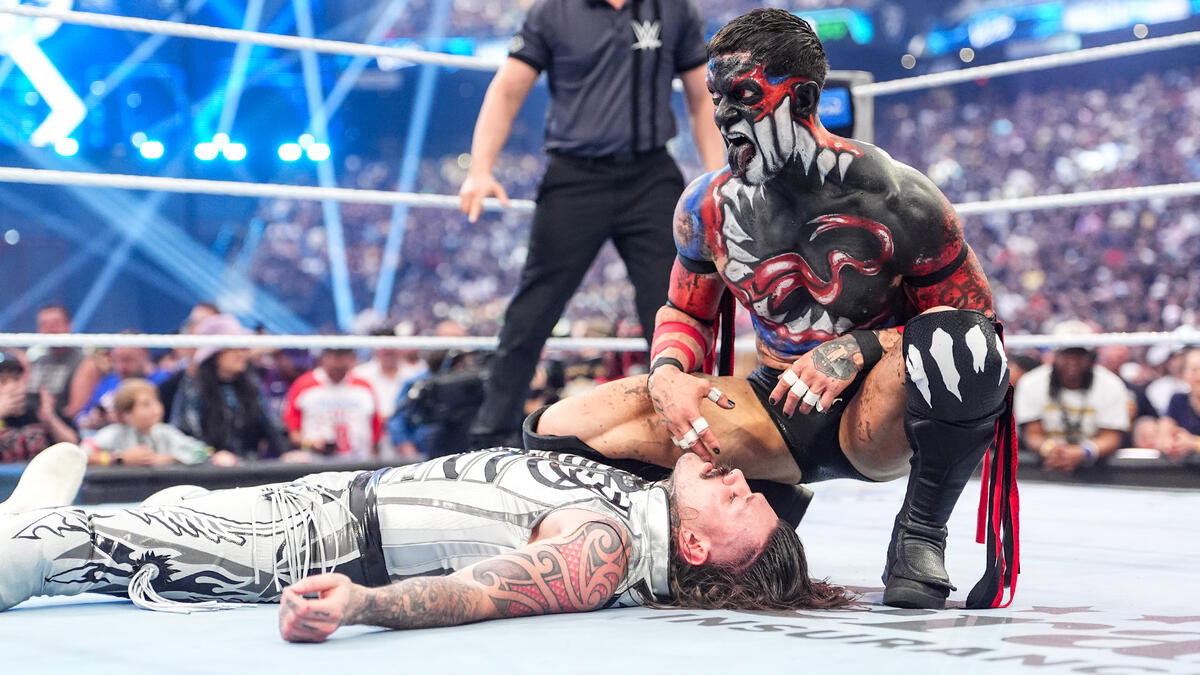
Medical updates dominate the final hours before Vegas
The final injury report for WrestleMania 41 arrived in the locker room at Allegiant Stadium early Friday morning. WWE officials are balancing a chaotic medical board heading into the two-night event. The physical toll of the Road to WrestleMania has left several key contributors in a maintenance state, forcing trainers to work double shifts.
We are tracking multiple minor soft-tissue injuries currently labeled as day-to-day. Sources confirm that the medical staff is utilizing high-frequency recovery protocols to ensure athletes hit their marks by tomorrow's opening bell. These procedures focus on limiting inflammation after high-impact training sessions earlier this week.
The logistical headache of missing media access
While the focus remains on the ring, a friction point emerged off-camera. ESPN reporter Andreas Hale publicly announced that WWE denied his media credentials for WrestleMania, a move that complicates typical event coverage. As reported by WrestlingNews.co, the lack of traditional access has sparked an internal conversation regarding how the promotion manages independent scrutiny during peak periods.
This credential denial creates a vacuum in veteran journalistic coverage. When outlets like ESPN are excluded, it forces fans to rely on social media updates from staff who are often compromised by direct corporate affiliations. The shift creates a noticeable lack of objective reporting from the ground in Las Vegas.
Historical context of WWE injury management
WWE’s history with performance-related injuries is extensive. From the mid-2000s, the company tightened its Wellness Program to regulate physical fatigue and pharmacological intervention. Current protocols prioritize performance metrics, often using data from wearable technology to track recovery heart rates.
However, the schedule leading into a two-night stadium show puts unprecedented strain on the roster. Historically, the transition from road-show house events to the intensity of WrestleMania has seen high rates of anterior cruciate ligament tears and concussion protocol escalations. The decision to keep training sessions closed to outsiders this week suggests the office is worried about leaks regarding current physical conditions.
Strategic implications for the card
The management of personnel injuries alters the booking flow for both nights. If a superstar isn't at 100 percent, the match pacing usually shifts to limit long-distance high-impact moves. Expect shorter, high-intensity sequences if the medical team mandates lower endurance loads.
This conservative approach carries a downside. Matches that fail to deliver the expected physicality often leave fans disappointed, especially given the ticket prices for front-row seats at Allegiant Stadium. WWE’s reliance on corporate optics over candid injury updates is a persistent flaw that occasionally stalls the momentum of a hot main event.
Looking past the opening bell
The medical staff will face their true test on Sunday night after the conclusion of the main event. Recovery time between WrestleMania and the Backlash premium live event on May 9 is less than three weeks. That gives athletes a tiny window for rehab.
If the current injury list exceeds the current projections, the creative team will have to shuffle spots for the subsequent shows. We saw this fallout multiple times in 2024, when talent depth issues forced late-notice substitutions in the mid-card. The front office knows this, which is why the pre-match physicals will be stricter than ever before.
Read Next