The death of calling it in the ring
The romanticized vision of professional wrestling is a beautiful, hilarious lie. We all love to picture two rugged athletes locking up in the center of the ring, listening to the roar of a rabid crowd, and completely improvising a classic bout on the fly. Old-school veterans absolutely love to aggressively peddle this romanticized myth on their seemingly endless array of monetized podcasts. They forcefully claim they never once talked in the back before the bell rang. They insist they simply went out there, read the energy of the room, and figured it out through pure instinct and ring psychology.
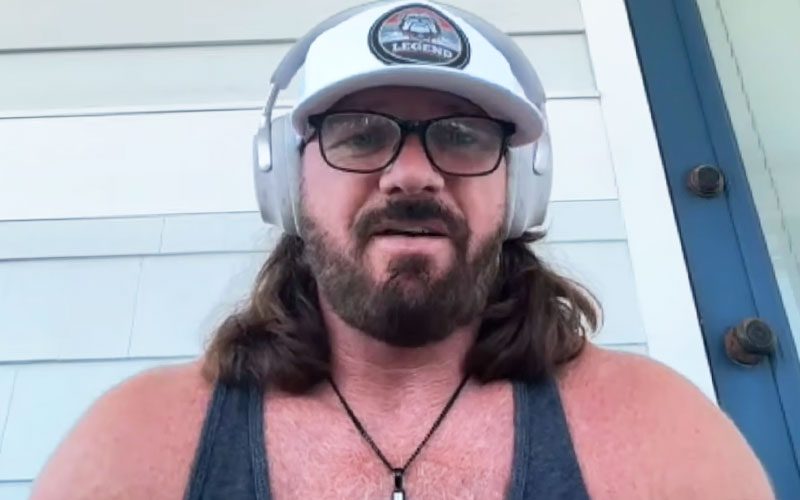
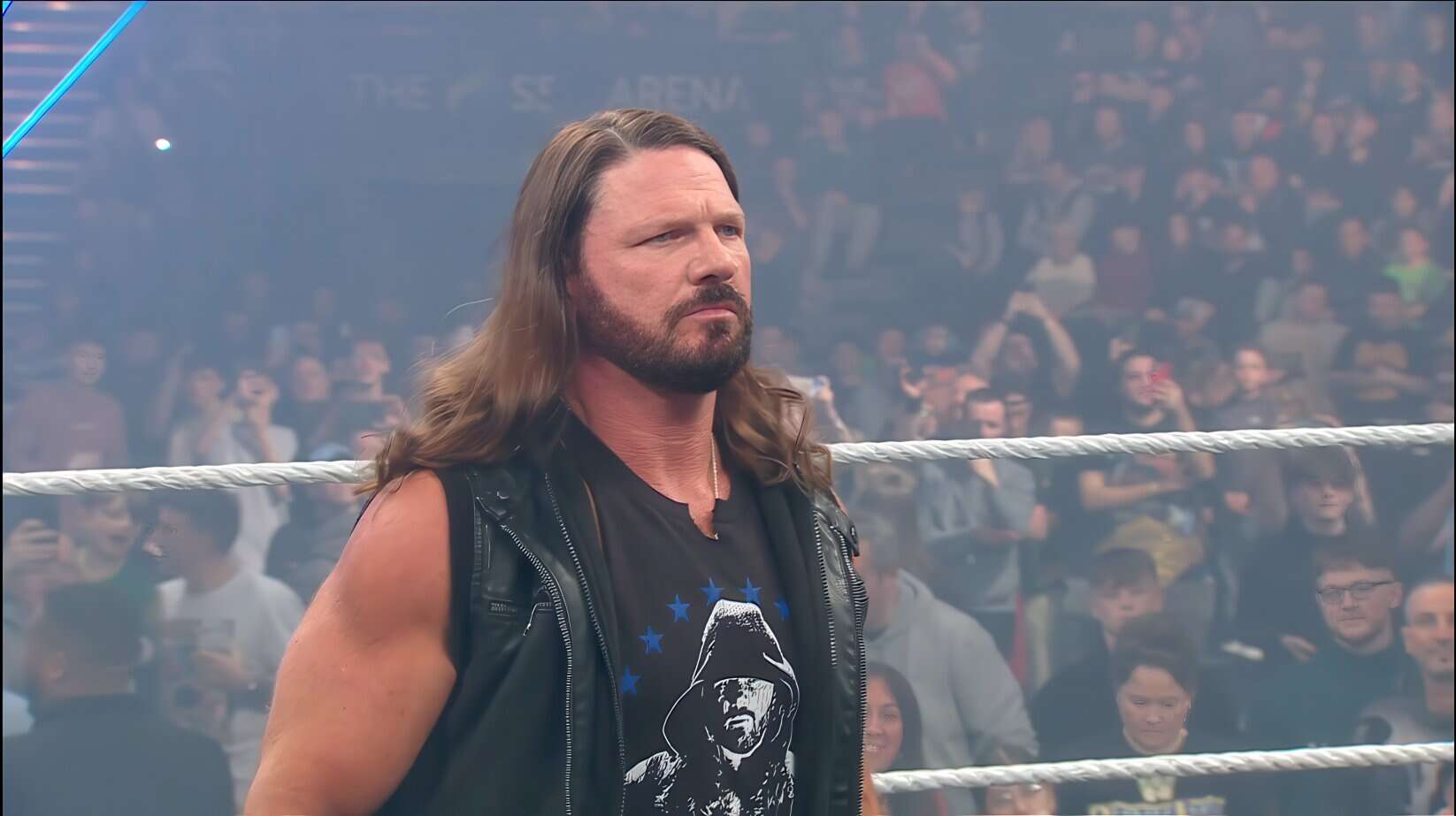
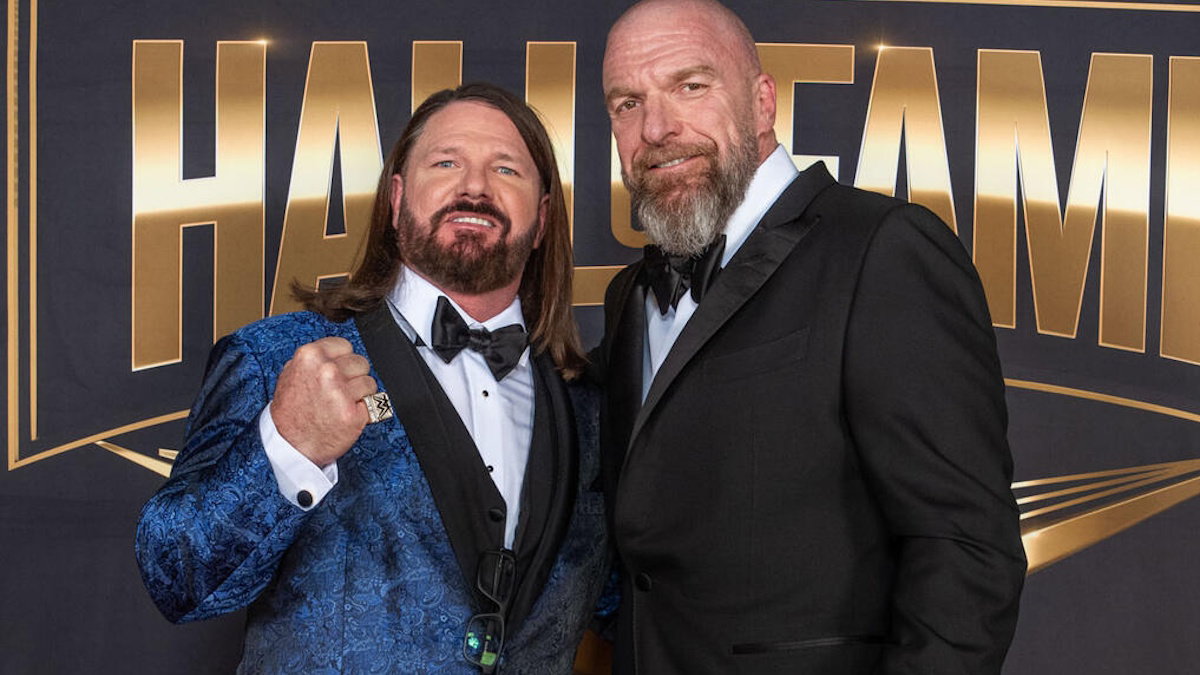
It is undoubtedly a fantastic, engaging story to sell to gullible fans buying autographs at conventions. It is also completely and utterly divorced from modern reality. The modern wrestling industry is a clinical, hyper-structured environment. Recently, WrestleTalk highlighted that newly minted 2026 WWE Hall of Famer AJ Styles decided to pull back the curtain on this exact topic. He broke down precisely how and why modern matches are rehearsed ahead of time.
Naturally, a highly vocal segment of the internet fanbase immediately lost their minds. They threw an absolute tantrum on social media. The idea that their favorite athletes practice their routines aggressively broke their delicate suspension of disbelief. They genuinely want to believe these performers are actively trying to kill each other in spontaneous combat.
Enter the Phenomenal One
Let us get one thing incredibly straight right out of the gate. AJ Styles is arguably the most naturally gifted in-ring performer of his generation. He spent over two decades mastering his craft across every conceivable environment.
He survived the chaotic, constantly shifting booking of the early TNA days. He thrived in the bruising, physically exhausting main event scene of New Japan Pro-Wrestling. Finally, he conquered WWE, adapting to their rigid television format without missing a single step. So, when a guy with his unparalleled resume tells you exactly how the sausage is made, you shut up and take notes.
He is not exposing the business. He is explaining the sheer logistical necessity of it. The requirement for rehearsal is not about a lack of talent or an inability to improvise in the moment. It is about the fundamental transformation of professional wrestling from a grimy live touring attraction into a multi-billion-dollar television product.
The margins for error have vanished entirely. When you have a massive premium live event like WWE Backlash 2026 sitting exactly five days away, you are not just wrestling for the live crowd. You are wrestling for the hard camera. You are performing for the jib camera sweeping dramatically over the ring.
The relentless television machine
This is where the stubborn old-school mentality completely falls apart. You cannot just wing a lengthy main event when there are strict commercial break windows to hit. A harried producer is constantly screaming time cues into the referee's earpiece. The television director needs to know exactly when to cut to the wide shot to capture the maximum visual impact.
If AJ is setting up for the Styles Clash, the production truck needs a distinct warning. If he is preparing to launch into a spectacular springboard forearm, the camera crew must be perfectly positioned to catch the impact. That complex coordination does not happen through sheer luck. It requires a methodical, repetitive walkthrough.
The talent gets into the ring hours before the doors open to the public. They aggressively check the rope tension. They physically measure the distance for their high-risk spots to avoid an embarrassing disaster. They walk through the entire finishing sequence step-by-step.
They figure out the exact geometry of the squared circle. They need to ensure that the final pinfall is perfectly framed for the primary broadcast angle. It is not a dance routine. It is a high-stakes television production meeting translated into violent physical movement.
The terrifying reality of modern offense
We also have to acknowledge the absurd physical complexity of the modern wrestling style. The days of resting in a basic side headlock for four minutes to figure out the next sequence are completely dead and buried. Today's demanding audiences expect rapid-fire offense and multi-stage counters.
A rolling elbow into a Code Red for a near-fall at the 14-minute mark requires absolute precision. If a performer misjudges their footwork by half an inch, somebody is getting dropped directly on their neck. The rehearsal process operates as a mandatory safety mechanism for the active roster.
These men and women are operating at an incredibly dangerous speed. Muscle memory is literally the only thing preventing catastrophic, career-ending injuries on a nightly basis. Practicing the intricate sequences ensures that both competitors know exactly where their opponent's weight will be distributed at any given millisecond. It is a terrifying way to make a living.
There is a hilarious, glaring hypocrisy deeply embedded within the hardcore wrestling fandom. Purists will loudly praise the flawless execution of New Japan main events while viciously trashing WWE for being too rehearsed. Do you honestly think Kazuchika Okada and Kenny Omega improvised those legendary closing stretches?
The prevailing narrative surrounding NJPW has always been that it is presented purely as a legitimate sport. But those massive Wrestle Kingdom main events were meticulously crafted. They were relentlessly practiced in empty dojos.
You cannot execute a breathless, escalating sequence of stiff strike exchanges without absolute repetition. The only real difference in the WWE system is the frustratingly heavy layer of television constraints. The illusion of spontaneity is the ultimate goal, but that foundation is built on obsessive, repetitive practice.
Where WWE actually fails
Here is where I have to drop a heavy dose of reality on modern WWE, because no system is completely perfect. The critical flaw in this modern era of rehearsed matches is not the concept of rehearsal itself. The real problem rears its ugly head when the rehearsal becomes glaringly obvious to the viewer at home.
When you have a talent visibly waiting for their opponent to slowly climb the turnbuckle, it absolutely kills the magic. Standing there like a complete idiot instead of attempting to recover or fight back shatters the entire illusion. That is not an example of bad preparation. That is simply terrible acting.
WWE's frustrating over-reliance on heavily structured spots has occasionally stripped the raw, emotional resonance from their matches. Everything can feel entirely too sterile and safe. Sometimes it genuinely feels like you are watching a heavily choreographed stunt show rather than a desperate, brutal fight between two enemies.
The grit is missing. The chaotic, ugly struggle that makes wrestling feel real is far too often sacrificed entirely. They gladly trade raw emotion for a perfectly framed television spot. When every single match on Monday Night Raw hits the exact same structural beats, the product becomes painfully predictable. We see the dive before the commercial, the extended heat segment, and the hot tag in the exact same frustrating order every single week.
The shadow of WrestleMania 41
Look at the sheer scale of what we just witnessed in Las Vegas. WrestleMania 41 was a massive logistical behemoth. You had John Cena's emotional farewell commanding the attention of the entire world. CM Punk was involved in a highly anticipated, wildly complex marquee match.
On Night 2, Cody Rhodes defended the WWE Championship amidst the ongoing, terrifying chaos of Roman Reigns and the Bloodline. Do you honestly think the intricate, multi-layered interference spots involving the Bloodline were improvised on the fly? Absolutely not. Every single violent step was heavily choreographed behind closed doors.
The exact timing of the run-ins was mapped out flawlessly. The camera angles capturing the exact moment of betrayal were heavily discussed beforehand. The reaction shots of Cody Rhodes looking defeated were planned in advance. It was a massive cinematic production cleverly disguised as a sporting event.
As we aggressively barrel toward WWE Backlash 2026, the roster is still dealing with the massive creative fallout from that historic weekend. The internal pressure to deliver compelling television is immense. The audience in Allegiant Stadium saw some of the most spectacular moments in company history.
Now, the talent has to somehow follow that up on a secondary premium live event. They have to maintain that insane momentum. When they finally get to the arena this Saturday, they will immediately step into the ring.
They will painstakingly walk through their spots. They will rehearse until their bodies ache. And they absolutely should. The alternative is total chaos, severe injury, and frankly terrible television.
AJ Styles pulling back the curtain is not a betrayal of sacred wrestling tradition. It is a much-needed dose of harsh reality. The fanbase desperately needs to grow up and accept the athletic reality of the product they consume.
Rehearsal is a necessary tool for survival in this industry. It is the only way these incredible athletes survive a grueling 300-day schedule without entirely snapping their spines. We should be thanking them for their relentless preparation, not complaining about their intelligent methods.
The next time you watch a flawless sequence, remember the unseen hours of practice behind it. Remember the empty arenas and the bruised shoulders. That is the real, undeniable sacrifice of professional wrestling.
Read Next
- AJ Styles just exposed the rehearsal problem ahead of WWE Backlash
- WWE injury report: Assessing the current physical toll of the roster
- Top 10: The Defining Wrestling Moments of the Year
- John Cena at Backlash proves WWE is already panicking post-WrestleMania
- 🏆 WrestleMania 41 — Full Coverage Hub
- 💥 WWE Backlash 2026 — Full Coverage Hub