The long shadow of an undisclosed condition
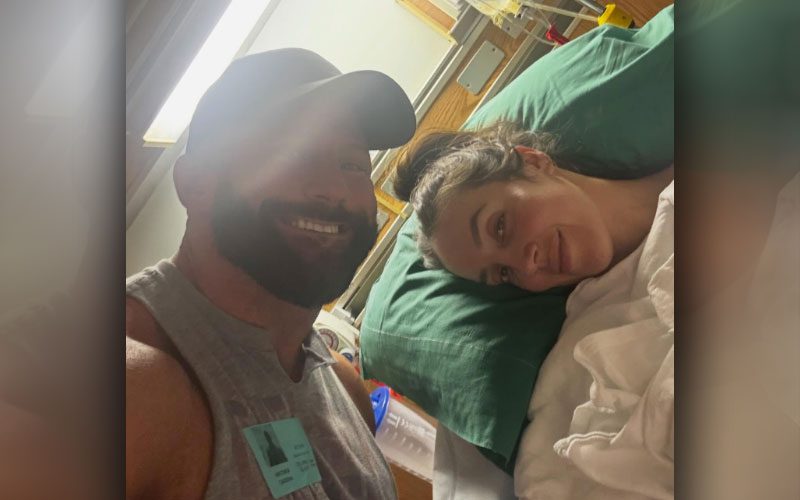
In the high-octane world of professional wrestling, the performance is everything. We scrutinize the landing of a moonsault or the precision of a transition segment, rarely pondering the physiological baseline required to sustain such activity. The recent disclosure that Chelsea Green underwent a heart procedure to address Supraventricular Tachycardia (SVT) shifts that perception.
SVT is not a minor nuisance. It involves an abnormally fast heart rate that originates above the ventricles, often triggering palpitations or dizziness. Green has reportedly lived with this for a decade, balancing the relentless schedule of international promotions with a latent cardiac issue that remained unresolved until now. She noted that doctors finally intervened after ten years of managing the condition.
Tactical recovery and the industry standard
The standard recovery timeline for a catheter ablation—the typical procedure for SVT—can vary, but it is rarely a quick turnaround for an athlete in a contact sport. While the industry is often praised for its medical advances, there remains a disconnect between medical necessity and the 52-week-a-year grind. Green’s public update signaled she is already in the recovery phase, but the physical demands on her cardiovascular system upon return will be singular.
One must wonder how this condition impacted her in-ring pacing historically. High-intensity sequences require controlled heart rates during the brief lulls between maneuvers. If Green was battling an arrhythmia mid-match, her ability to maintain a consistent rhythm over a ten-minute sprint is arguably more impressive than we previously realized. It does, however, raise questions about WWE’s screening protocols that only caught this persistent issue after an entire decade of professional labor.
The cost of a decade in the ring
Wrestling narratives often focus on the 'toughness' of performers, yet documented cases like this illuminate the underlying fragility of the roster. Most performers operate under the assumption that they are invincible until the moment a machine forces them to stop. Green’s case is a reminder that the human heart is not designed to withstand the stress of a high-ceiling industry without constant maintenance.
We expect performers to look like superheroes, but biology remains undefeated. The booking of Green following her return will require caution. Putting her into 15-minute showcase matches immediately would be a mistake. The focus should be on shorter, high-impact spots until her resting heart rate can be monitored during high-exertion scenarios. Anything else is a gamble with a person’s long-term health.
A look at the locker room reality
The culture of silence regarding injuries is slowly eroding, but it still exists. For years, talent feared that a diagnosis of a heart condition would lead to immediate termination or a permanent blacklisting from medical clearance. Watching Green step forward with this news is a shift toward transparency that the industry desperately needs. It is rarely discussed, but medical intervention is as technical as a chain-wrestling sequence.
Final assessment
Predicting the return of a performer in this situation involves looking closely at the medical data, not the creative trajectory. Chelsea Green will need a measured ramp-up before she is cleared for competitive intensity. I expect her return to be limited to tag matches or shorter vignettes. The medical professionals will dictate her role; if the promotion moves too fast, the risk of a relapse is high. She will likely be back in regular rotation within 3 months, provided her heart rhythm remains stable under stress tests.