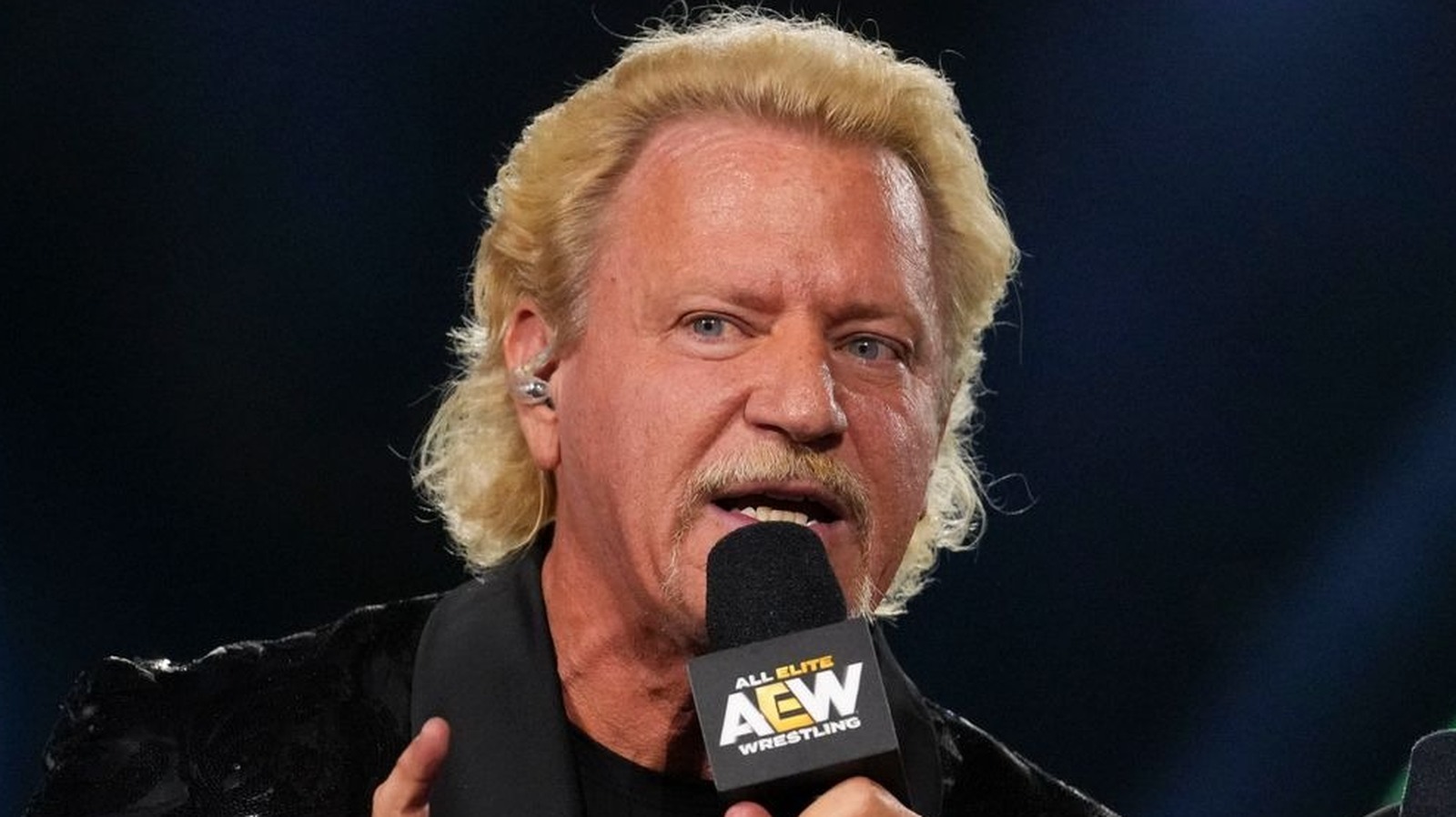
Why WWE desperately needs to bring back the house show loop
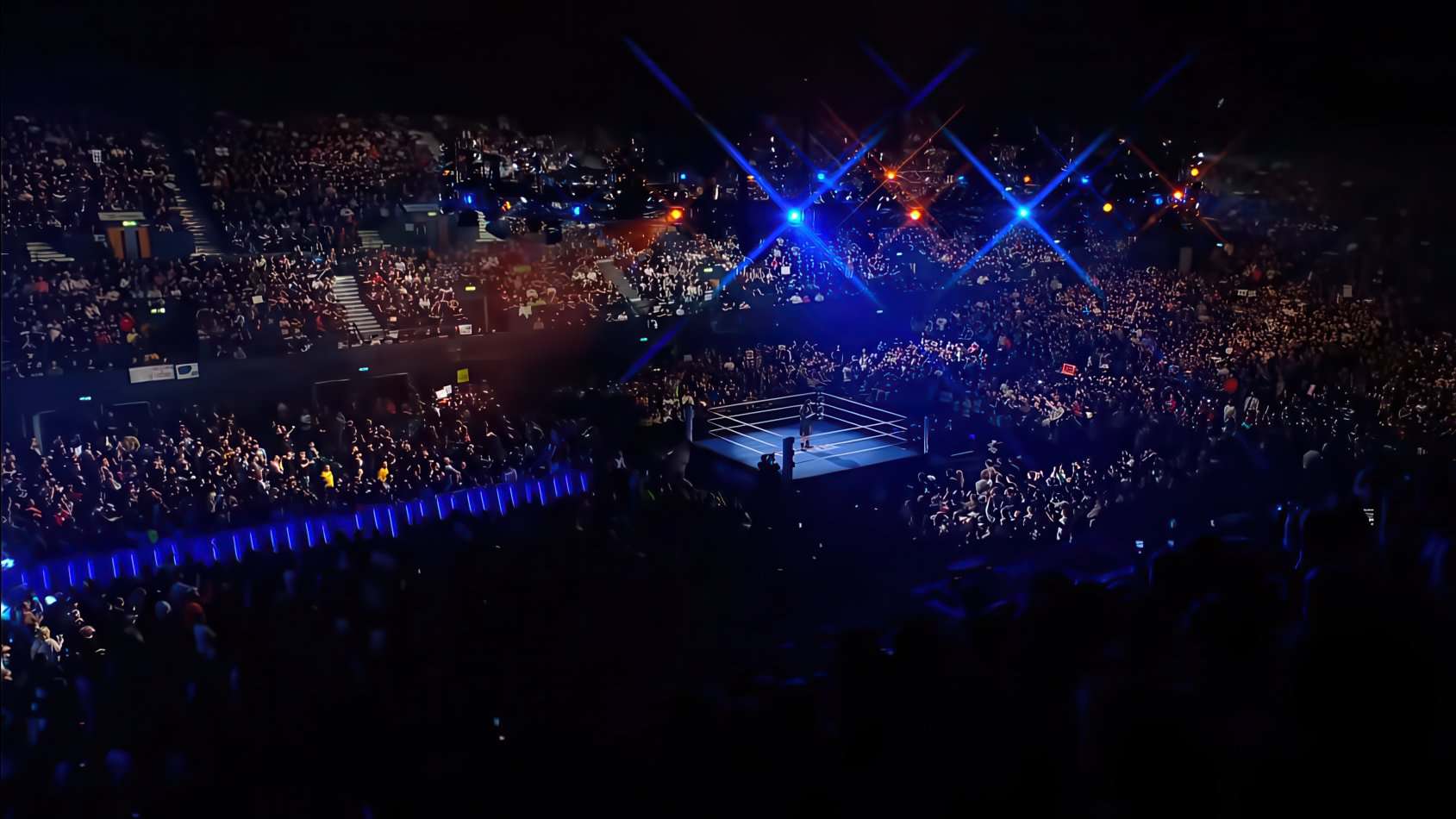
It has been a prevailing assumption for the last five years that the traditional wrestling house show was dead.
The pandemic proved WWE could generate record profits without leaving a single soundstage in Florida. The TKO merger then solidified that philosophy. Site fees and massive television rights became the entire business model. The grueling, four-day-a-week touring loop was suddenly viewed as an archaic relic of the Vince McMahon era. It was deemed inefficient.
WrestlingNews.co reported today that WWE is actively considering adding more untelevised live events back to the calendar. If true, this represents a massive operational pivot. Nick Khan and the Endeavor executives have spent the last three years ruthlessly trimming the fat from the company's ledger. A return to the road suggests they have realized a fundamental truth about their product.
This isn't about ticket sales in Binghamton. It's about reps. It's about the mechanical reality of how a professional wrestler actually learns their trade.
The death of the laboratory
Take a look at the current main roster. NXT is churning out polished, television-ready talent at a remarkable rate. Guys like Carmelo Hayes and Bron Breakker hit the main roster and immediately look like they belong in a broadcast format.
But there is a massive difference between a tightly produced ten-minute match at the Performance Center and working a cold crowd in a market that hasn't seen WWE in three years.
Without the house show loop, where do you learn to work? The answer for the last few years has been entirely unsatisfactory. You learn on live television.
That is a dangerous game. When you only wrestle once a week on Raw or SmackDown, every mistake is amplified. You cannot experiment with a heel turn. You cannot test out a new finisher. Everything is micro-managed for the hard cam. If a spot fails on a Tuesday night in NXT, it is clipped and shared on social media within seconds. The freedom to fail quietly simply does not exist anymore.
Back in 2018, Seth Rollins would wrestle nearly 140 matches a year. A solid chunk of those were untelevised main events where he could call it in the ring, feel the crowd's pacing, and figure out exactly what worked. Today, a heavily pushed star might work 50 matches.
The reps are gone. And you can see it in the midcard.
When a match goes off the rails—an injury, a broken prop, a missed cue—the younger talent often freeze. They haven't spent hundreds of nights in front of 3,000 people in Toledo figuring out how to stall for three minutes while a referee checks on an opponent. They look at the referee, waiting for the voice in the earpiece to tell them what to do.
The anatomy of a television match
A television match is built around the commercial break. It is a rigid, mathematical formula. The heel takes control right before the break. We come back from the break with the babyface locked in a submission. It is designed to retain viewership through three minutes of beer commercials.
A house show match has no commercial breaks. It requires the wrestlers to sustain the crowd's interest purely through the physical narrative. This is where the subtleties of the craft are honed.
A wrestler has to learn how to sell an injury for five continuous minutes without the audience getting bored. They have to understand the ebb and flow of a long heat segment. They have to read the room.
When you remove the house show, you remove the necessity to learn these skills. You end up with a roster that excels at the five-minute sprint but completely falls apart when asked to work a twenty-minute main event on a Premium Live Event. The pacing feels rushed. They blow through their spots because they are conditioned to the television format.
House shows used to be the laboratory. It was where Gunther could spend twenty minutes just working a headlock to see how much heat he could extract from a crowd before throwing a single chop. It was where tag teams built their timing.
Consider The Usos. Their legendary run as a tag team wasn't built in three-minute television matches. It was built on the road. They wrestled The New Day on dozens of untelevised events, figuring out exactly which near-falls worked and which transitions looked sloppy. By the time they got to television, the matches were flawless because they had already rehearsed them in front of paying audiences.
Killing the loop saved TKO money on logistics. It stopped the hemorrhaging of cash on poorly attended Sunday night shows. It also destroyed the only meaningful sandbox the talent had.
WWE's relentless pursuit of margin under TKO created this problem in the first place. They prioritized the balance sheet over the long-term health of the roster's in-ring psychology.
The AEW comparison
You can see the results of a light schedule simply by looking at the competition.
AEW has famously run a very limited schedule since its inception. Their talent works Dynamite, maybe Collision, and goes home. This has been a massive selling point for recruiting free agents who are tired of the grind.
However, the lack of house shows in AEW has exposed the exact same developmental flaw. You see younger AEW talent struggle with match structure. They execute incredible athletic sequences, but the connective tissue of the match is missing. The psychology is often absent because they haven't had the reps to figure it out.
WWE looking to expand its live event footprint might be a strategic move to widen the gap in fundamental wrestling psychology between the two rosters. Give the younger talent the ring time they desperately need, and they will organically outpace their counterparts who only wrestle on Wednesdays.
The financial pivot
Of course, WWE isn't bringing back live events out of the goodness of its heart.
The margins on these shows used to be razor-thin. Sometimes they actively lost money. Running a Sunday night show in a mid-sized market requires renting the building, paying the crew, transporting the ring, and covering talent travel. The math rarely favored the promoter unless the building was packed.
If Nick Khan is green-lighting more dates, there is a distinct financial angle at play.
It is likely tied to merchandise data. A live crowd buys shirts. A television viewer buys a shirt online occasionally, but the impulse buy at the merch stand is a massive revenue driver. Getting back into these smaller markets might be a play to spike localized merchandise revenue that has flattened out in recent quarters.
There is also the VIP experience factor. WWE has realized that die-hard fans will pay absurd premiums for meet-and-greets, signed memorabilia, and ringside access.
You attach a few dozen VIP packages to a Saturday night house show, and suddenly that razor-thin margin starts to look much healthier. The base ticket sales cover the building rent, and the VIP packages generate the profit. It transforms a loss-leader into a viable revenue stream.
The localized connection
There is an intangible benefit to running smaller markets that doesn't immediately show up on a spreadsheet.
When WWE comes to a town like Kalamazoo or Binghamton, it is an event. It builds generational fandom. A kid who sees a house show in person is significantly more likely to demand their parents buy the next Premium Live Event or purchase a t-shirt.
For years, WWE relied on this localized goodwill to sustain its popularity during lean creative periods. When the television product was unwatchable, the live event experience was still fun. By isolating the product to major stadiums and massive arenas, WWE essentially abandoned the grassroots connection that built the empire in the first place.
Television ratings are strong now, but the wrestling business is notoriously cyclical. When the current boom period cools off—and it will cool off—WWE will need those die-hard local markets to sustain them. Rebuilding that touring infrastructure now, while the brand is white-hot, is a smart hedge against the inevitable downturn.
The toll on the talent
This isn't a flawless plan. The talent will inevitably complain about the travel, and they will be entirely justified in doing so.
The modern roster has grown very comfortable with the lighter schedule. Asking them to give up their weekends again will cause friction, especially among veterans who signed their latest deals expecting the post-2020 workload. If you are Cody Rhodes or Roman Reigns, you are not working these shows. You are exempt.
But if you are a midcard talent trying to break through, you are suddenly back on the road. Four days a week. Rental cars. Bad hotels. The physical toll is immense. We spent years criticizing WWE for running its talent into the ground. A return to the heavy touring schedule invites those exact same criticisms.
Furthermore, the creative team still struggles to book compelling television for a three-hour Raw. Adding the logistical headache of tracking house show injuries and travel delays won't make Triple H's job any easier. If a key talent rolls their ankle on a Sunday in Peoria, the entire script for Monday Night Raw has to be rewritten.
The agent's role
We also have to consider how matches are currently produced. Right now, producers and agents have too much control over the minute-to-minute flow of a bout.
They dictate the high spots, the kickouts, and the finish. The talent are merely executing a script. On a house show, the agent gives the finish and the time limit. Everything in between is up to the performers. This breeds creativity. It forces wrestlers to think critically about their own characters.
If a heel taunt doesn't work on Friday night, they can adjust it by Saturday. On television, a failed taunt becomes a permanent part of the broadcast record.
Finding the middle ground
The solution cannot be a complete return to the brutal, 300-days-a-year schedule of the 1990s. That model broke bodies and ruined lives.
But the current model of strictly television and premium live events is creating a generation of wrestlers who don't know how to audible.
Perhaps the answer is a targeted loop. Regional tours. Run the Northeast for a month, minimizing the flights and maximizing the bus travel. Keep the talent in one geographic footprint so they aren't flying cross-country on a Sunday morning.
Give the younger talent the ring time they desperately need, but protect the veterans. Let the NXT call-ups headline these shows against established hands who can guide them through a twenty-minute match without a script. It forces them to sink or swim without the safety net of a commercial break.
Wrestling requires an audience. You cannot learn how to manipulate a crowd if you only see them once a week while a producer yells in the referee's earpiece. You have to hear the silence when a move fails. You have to hear the organic pop when a sequence finally clicks.
Bringing back the house show loop is an admission that efficiency isn't everything. Sometimes, you just need to put two guys in a ring on a Saturday night and tell them to figure it out. It is a messy, expensive, and necessary part of the business. TKO might finally be realizing that you can't build a wrestling empire entirely in a television studio.
AEW Unrivaled Collection Series 1 - Jon Moxley Action Figure
Bring home the grit of the Blackpool Combat Club.
More Coverage
Top 10: The Definitive Ranking of Mid-Summer WWE Moments
14 minutes agoThis Week in Wrestling: MSG Stardust and Championship Shakeups (Jul 13–Jul 19, 2026)
45 minutes agoKarl-Anthony Towns at Saturday Night’s Main Event was a fever dream gone wrong
55 minutes agoKarl Anthony Towns just created the weirdest wrestling moment of 2026
55 minutes ago
LA Knight turns viral frustration into a merchandise play
an hour ago
WWE roster health check: The mid-summer injury grind hits home
an hour agoMore Analysis
Why WWE bringing back house shows could be a massive mistake
1 month, 3 weeks ago
WWE's rumored return to a heavy house show schedule is a massive risk
1 month, 3 weeks ago
Why the return of the WWE house show circuit is a massive net positive
2 months ago
Why Jeff Jarrett is absolutely right about the return of house shows
1 month, 4 weeks agoTKO is squeezing the roster dry: The reality of WWE's new 10-date summer loop
2 months ago