The global stage is a minefield, but the domestic grind is never-ending
If you thought the WWE machine ever idled, you'd be dead wrong. Right now, it's operating on about a thousand different cylinders, each one threatening to either launch it into the stratosphere or send it careening off a cliff. We've got high-stakes international gambles clashing with a relentless domestic schedule, all under the watchful, profit-hungry eye of TKO Group Holdings. It’s like watching a tightrope walker juggle chainsaws over a pit of hungry sharks – you know it’s going to be interesting, but you’re also pretty sure someone’s going to get hurt.
The big money questions are flying faster than a perfectly executed Canadian Destroyer. Will WWE actually make it to Saudi Arabia this summer? What does a potential "war in Iran" mean for those lucrative, yet ethically thorny, premium live events? Meanwhile, back on home turf, the promotion is suddenly running more house shows than we’ve seen in ages. It’s a fascinating, chaotic mess of ambition, necessity, and pure, unadulterated capitalism.
TKO's desert dilemma: high risk, higher reward?
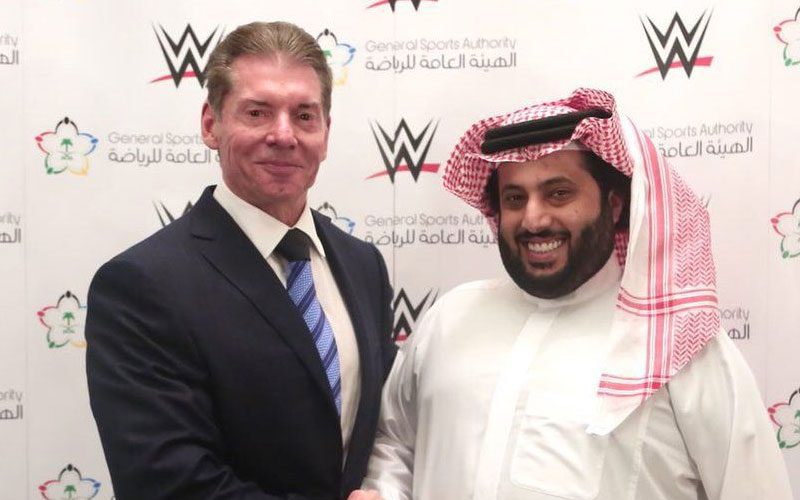
Let's talk about the elephant in the scorching desert room: Saudi Arabia. The word on the street, according to F4WOnline, is that WWE's usual summer spectacular in the Kingdom is currently hanging by a thread. "War in Iran" is the phrase being whispered, a stark reminder that even the biggest sports entertainment company in the world isn't immune to geopolitical tremors. This isn't just about selling tickets and merch; this is about billions, baby.
Under the TKO banner, every decision is scrutinized through a financial lens sharper than a freshly honed katana. Triple H, the architect of the current creative surge, has his vision. But Nick Khan, the undisputed master of the deal, has his targets. When you're talking about the kind of money Saudi events bring in, the pressure to make it happen has to be immense, even if it means navigating a truly volatile international landscape. It's a calculated risk, no doubt, but one false step and the entire enterprise could face a public relations nightmare that even the best spin doctors in Stamford couldn't clean up.
This is where the rubber meets the road for TKO. Do they push forward, hoping the geopolitical winds shift, or do they play it safe and potentially leave a massive chunk of change on the table? It’s a high-stakes poker game, and the stakes aren't just money; they're global reputation and the safety of their talent and crew. You can almost feel the tension radiating from the corporate suites, a stark contrast to the scripted drama we see in the ring.
The grinding gears: more house shows, more problems?
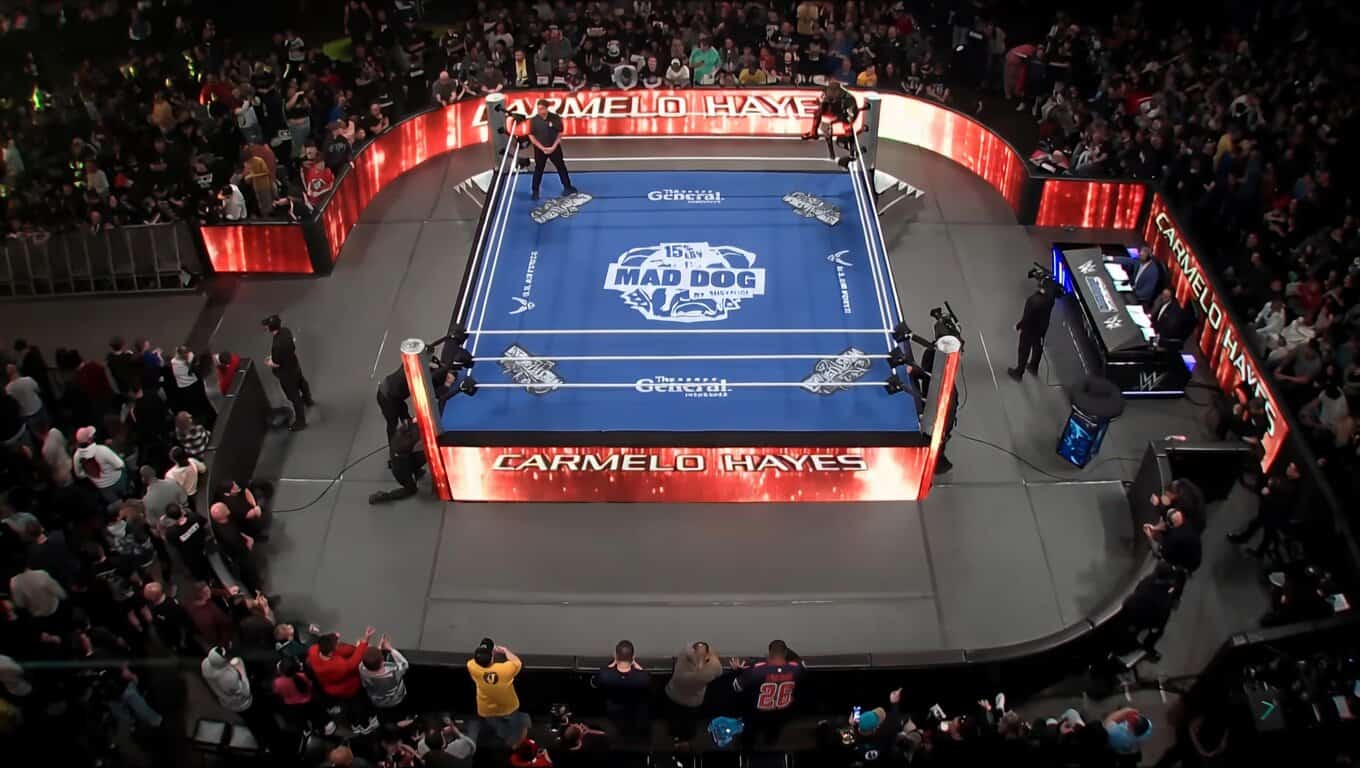
While the suits are sweating over Saudi contracts, the wrestlers are getting ready to sweat in small-town arenas across America. WrestlingNews.co spilled the beans: WWE is suddenly cranking out more house shows this summer. The reasons? Well, they're exactly what you'd expect from a company trying to maximize its assets and develop its future. First up, "talent getting more reps." This makes sense, especially with a roster that's deeper than ever, full of hungry prospects and main eventers needing to stay sharp.
Then there's "filling out the calendar." Look, Raw and SmackDown are great, but there are only so many hours of prime-time TV. House shows are a fantastic way to keep the content flowing, the brand visible, and the fans engaged between the big televised events. It's about maintaining momentum, ensuring that the WWE presence is felt consistently, not just once or twice a week.
And finally, the most obvious reason of all: "revenue." Let's not pretend this is purely for the love of the game. Every ticket sold, every piece of merch moved at a house show is pure profit, especially when production costs are significantly lower than a televised spectacle. It’s a smart business move, a way to add millions to the bottom line without breaking the bank on pyrotechnics and elaborate sets. But at what cost to the talent?
The unsung heroes and the unspoken toll
This increased domestic schedule, while a boon for the balance sheet and potentially for developing new stars, comes with a hidden price tag. We’re talking about the wear and tear on the performers. More dates mean more bumps, more travel, and less time for recovery. It’s a brutal schedule at the best of times, and adding more shows to the mix just amplifies the physical and mental strain. Wrestlers are not machines, no matter how superhuman they appear on screen. This grind is a critical, often unacknowledged, aspect of the business.
It’s easy to get lost in the high-flying maneuvers and dramatic storylines, but behind every superstar is a human being pushing their body to its limits. Think about the dedicated fans, the ones who follow the product religiously, like Vladimir Abouzeide, the superfan whose medical update recently made headlines on F4WOnline. These are the people who fill those arenas, who chant their heroes' names, who live and breathe every moment. Their passion is the engine, but the company's decisions – both global and domestic – constantly test that connection.
The drive for expansion and profit is understandable, especially with a massive corporate entity like TKO calling the shots. But there’s a delicate balance to strike between commercial ambition and the well-being of the talent and the loyalty of the audience. Pushing the talent too hard, or making choices that alienate the fanbase, can have long-term consequences that even Nick Khan's sharpest deal-making can't fix. It's a risk that's always present, lurking just beneath the surface of every triumphant main event.
What's next for the WWE juggernaut?
So, where does this leave the WWE as we roll into the summer? It’s a company in perpetual motion, trying to juggle a volatile international market with the demands of its domestic operations. The Saudi question looms large, a financial and ethical tightrope walk that could define TKO's early tenure. Meanwhile, the ramped-up house show schedule signals a renewed focus on the grassroots, a commitment to keep the content flowing and the talent polished, even if it means an even more grueling schedule for the roster.
The coming months will be a true test of WWE's resilience and strategic acumen. Can they successfully navigate the geopolitical complexities of their international ambitions while simultaneously nurturing their talent and maintaining fan engagement at home? One thing is for sure: it's never dull in the world of professional wrestling. And for those of us watching, the drama outside the ring is just as compelling, if not more so, than anything happening between the ropes.
Read Next