The quiet reversal of TKO's touring strategy
For the last three years, the message out of Stamford was entirely about scarcity. When Endeavor merged WWE and UFC into TKO Group Holdings, the immediate financial audit targeted the untelevised live event loop. House shows were historically the lifeblood of the wrestling business, but in the modern era, they often ran on razor-thin margins.
Management slashed the weekend loops. They pulled back on secondary markets. The strategy worked beautifully.
By starving certain regions of WWE live events, the company created intense demand whenever a televised Raw or SmackDown rolled into town. Gate revenues exploded. Merchandise per capita reached levels that completely dwarfed the much-romanticized Attitude Era.
Now, according to a new report from WrestlingNews.co, that philosophy is shifting. More WWE house shows are reportedly on the way. It is a stunning reversal of a touring model that Wall Street analysts heavily praised just a year ago.
You have to ask why a company making record profits would intentionally revert to a touring strategy that guarantees lower profit margins. The answer likely lies in market conditioning and talent development.
The financial mechanics of hitting the road
Running a live wrestling event is absurdly expensive. You have ring crews, production trucks, lighting rigs, talent travel, arena rentals, and local union fees. When WWE runs a major arena for a pay-per-view, those costs are absorbed by massive ticket prices and media rights fees.
When they run a Friday night house show in a 6,000-seat building in Erie, Pennsylvania, the math gets significantly tighter. Without a television broadcast to monetize, the entire night lives or dies on the live gate and the merch stand.
For decades, Vince McMahon kept the road schedule relentless anyway. The old guard believed that maintaining a presence in B and C markets was essential for cultivating generational fans. You hooked a kid at a house show, and they watched Raw for the next ten years.
TKO executives initially looked at the spreadsheet and laughed at that logic. They saw millions of dollars tied up in logistical overhead for untelevised shows that barely broke even.
But the data over the last few quarters might be telling a different story. While stadium shows sell out, there is a massive ceiling on how much merchandise you can sell online. The physical merch stand at a live event remains a uniquely powerful revenue engine.
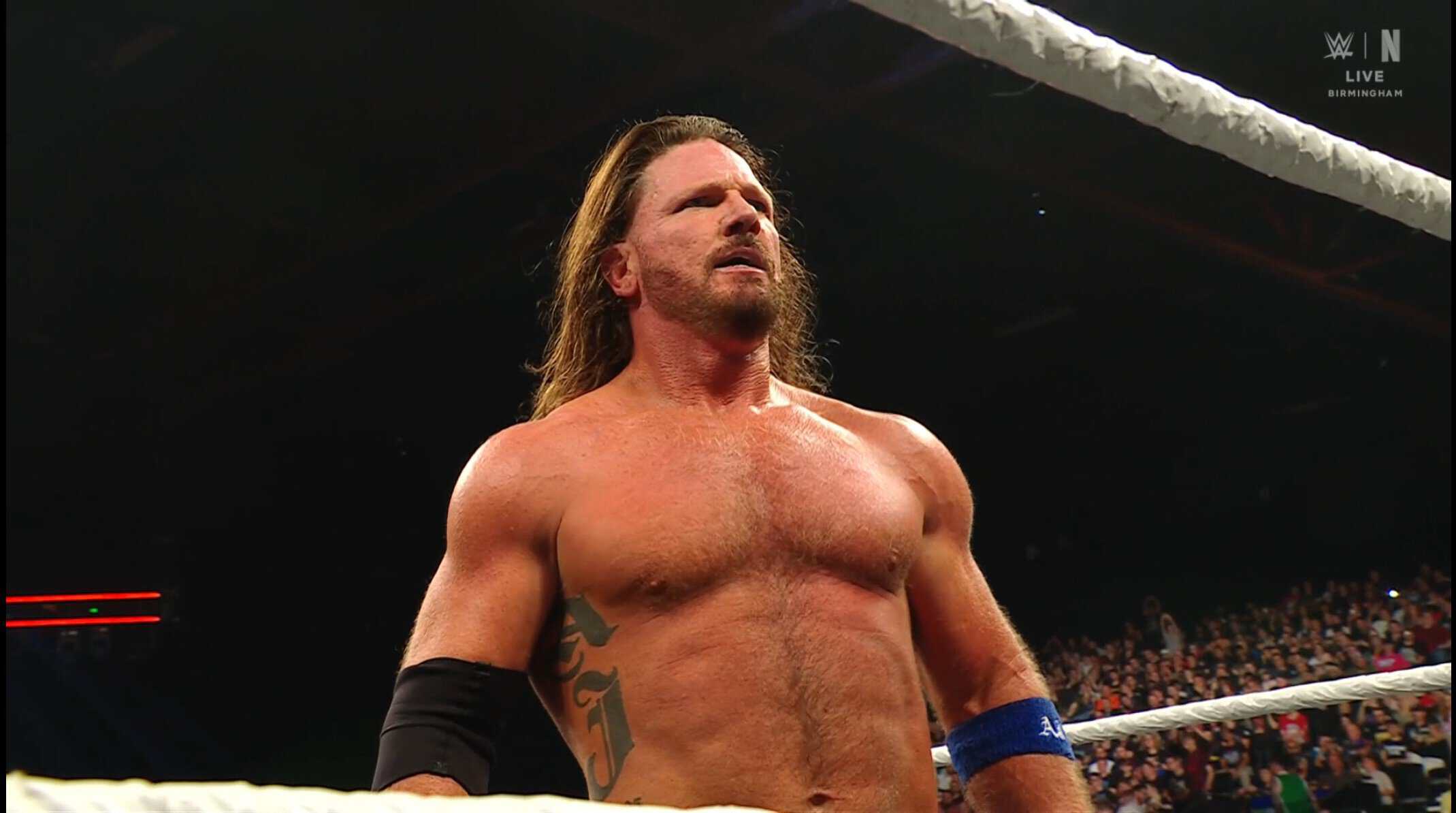
Fans who won't pay thirty dollars for a t-shirt online will gladly hand over forty dollars in person after watching Jey Uso hit a splash. WWE might have realized they cut the schedule slightly too deep, leaving millions of dollars of physical merchandise sales sitting on the table in mid-sized American cities.
The critical flaw in ramping up dates
This is where the excitement for more wrestling meets the harsh reality of human biology. The current WWE product is creatively hot because the top stars are healthy and protected. The major injury rate dropped noticeably when the house show loop was aggressively dialed back.
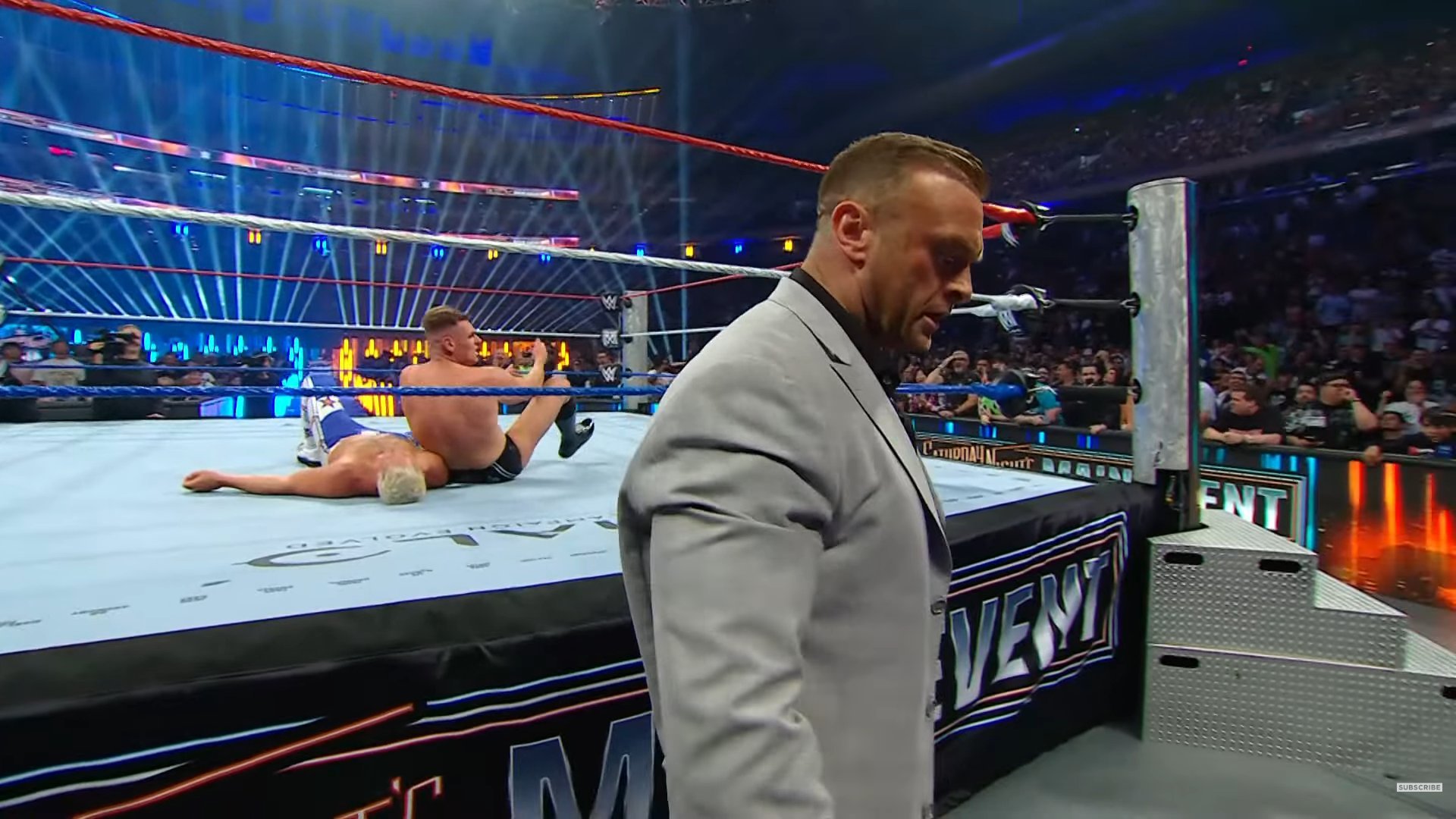
Adding more dates back onto the calendar is incredibly dangerous. It is the exact kind of short-sighted corporate greed that previously burned out entire generations of talent. Asking Cody Rhodes, Seth Rollins, or Gunther to take an extra 30 to 40 bumps a year on untelevised shows is a massive risk.
Professional wrestling destroys the human body. Every flat back bump in a ring with wooden boards and steel beams takes a toll. When you ask main eventers to work an extra night in Kalamazoo just to juice the quarterly merch numbers, you risk losing them for a major premium live event.
Imagine losing a top star to a torn pectoral or an ACL tear at an untelevised Saturday night show just weeks before SummerSlam. The short-term gate revenue will never cover the long-term damage of derailing your television storylines.
This is where TKO's management needs to tread carefully. They look at athletes like UFC fighters who compete twice a year. WWE talent are already working a grueling schedule. Pushing them harder for marginal financial gains is the worst possible management instinct.
How this impacts the locker room
For the talent, house shows are a double-edged sword. Veterans often despise the extra travel. Navigating rental cars through snowstorms in upstate New York at two in the morning is a miserable existence.
But for younger talent, house shows are completely essential. You cannot learn how to work a live crowd while staring at a red camera light on national television. The timing, the pacing, and the subtle character work are all forged on the untelevised loop.
NXT call-ups often struggle on the main roster because they spent two years working in front of the exact same 400 fans in Orlando. When they hit the main roster, the crowds are massive, impatient, and ruthless.
House shows give them a laboratory. It is where a young heel learns exactly how long to hold a headlock to generate maximum heat. It is where a babyface figures out exactly which sequence of moves triggers the best comeback reaction.
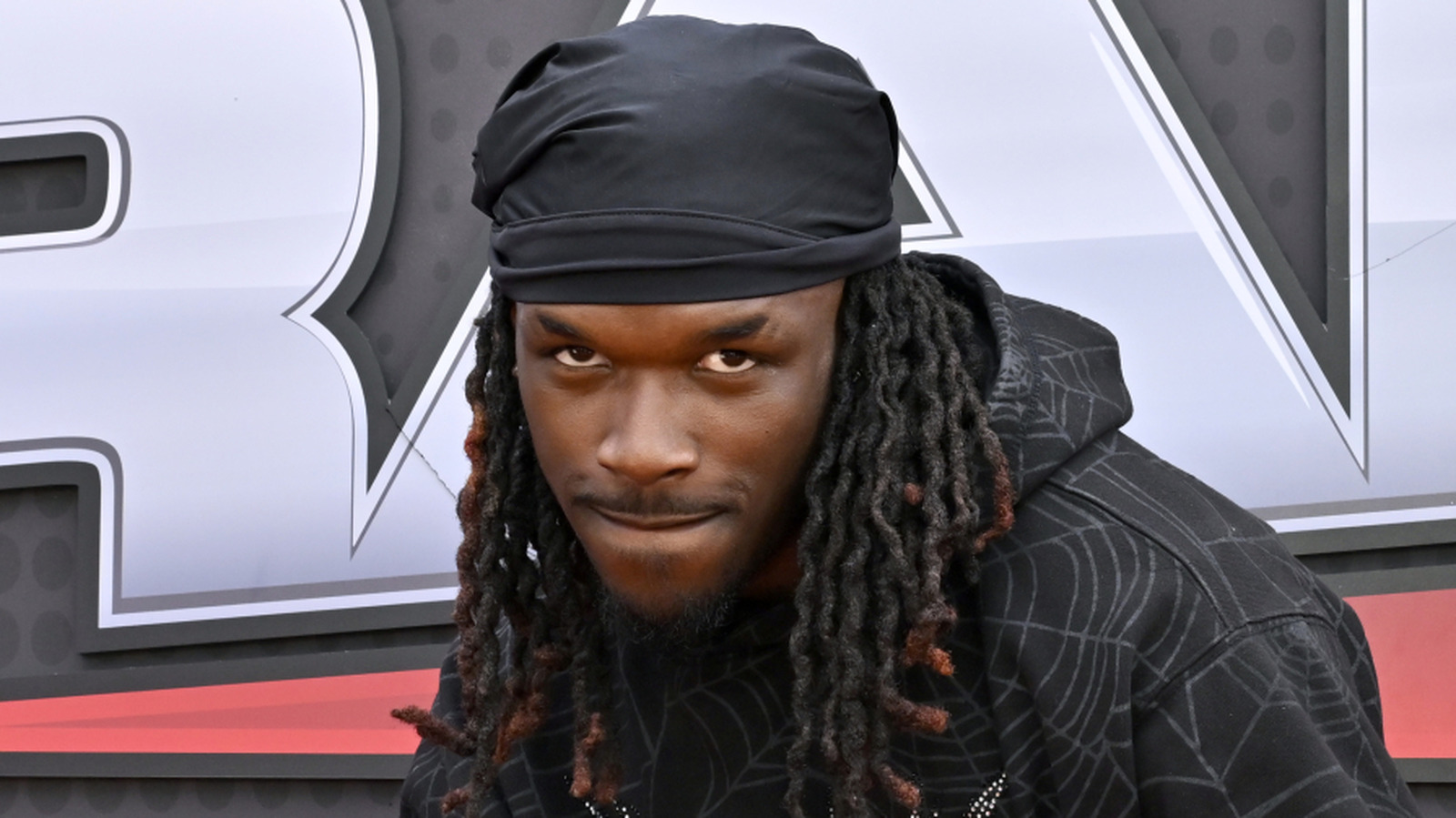
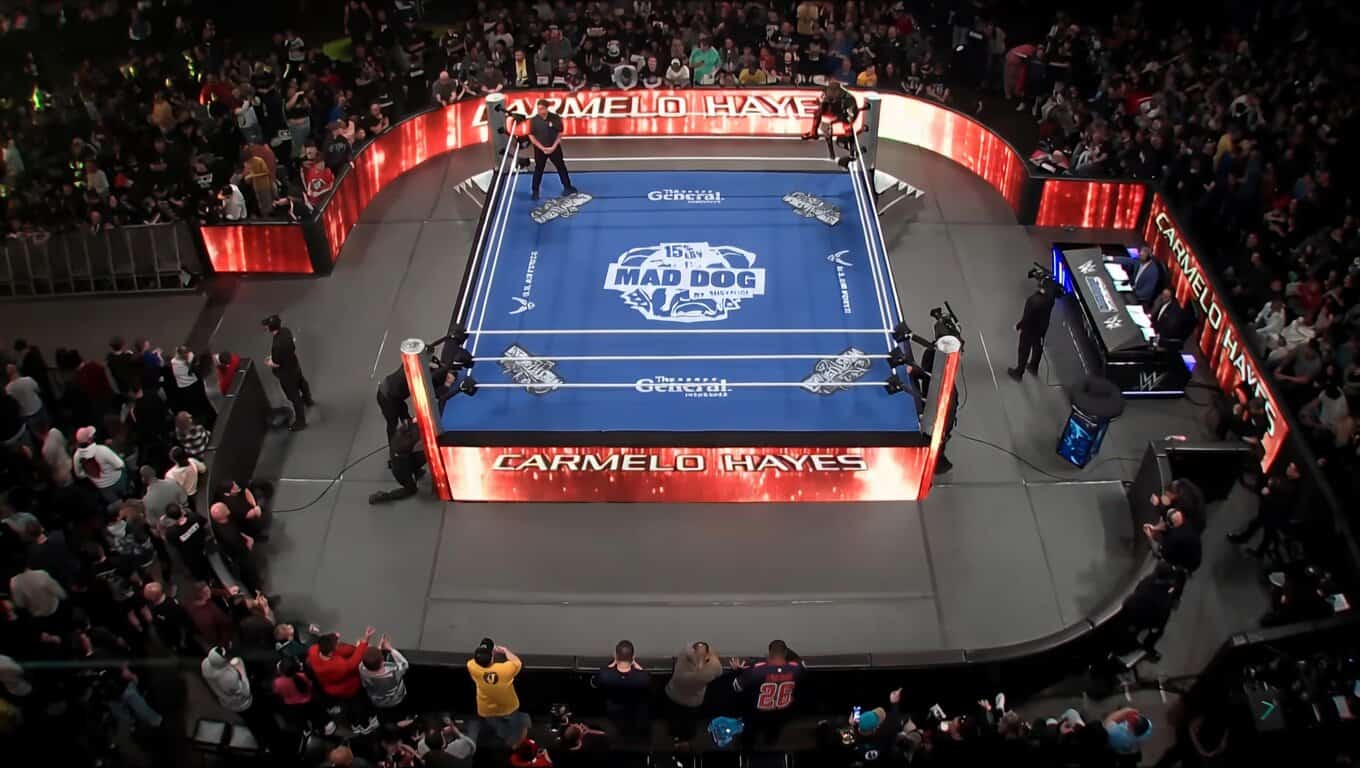
If WWE is smart, this new wave of house shows will rely heavily on the mid-card and recent NXT graduates. Let Bron Breakker and Carmelo Hayes anchor these smaller loops. Give them 25 minutes to work a main event style match without commercial breaks.
Keep the absolute top-tier stars at home unless they explicitly request the reps. The fans in smaller markets will still buy tickets to see the WWE brand, especially if the ticket prices are scaled appropriately.
The contrast with the competition
The timing of this news is fascinating when you look at the rest of the industry. We are exactly three days away from AEW Double or Nothing 2026. Tony Khan's promotion has entirely abandoned the house show business.
AEW attempted a modest untelevised tour called AEW House Rules a few years ago. It quietly died. The economics simply did not work for a company that does not have WWE's generational brand recognition in secondary markets.
WWE ramping up their touring schedule right now is a massive flex of roster depth. It is a calculated move to consume available ticket money in local markets. If a fan in Ohio only has a hundred dollars to spend on wrestling this year, WWE wants to ensure they run a show in that market before AEW books a television taping there.
It is territorial wrestling strategy dressed up in modern corporate analytics. By saturating the live event market, WWE makes it significantly harder for AEW or TNA to draw casual fans in those same cities.
The pure fan experience
From a purely selfish perspective as a viewer, house shows are fantastic. They offer a completely different product than Raw or SmackDown. A televised WWE show is a tightly produced commercial for the network airing it.
Matches are chopped into pieces to fit commercial breaks. Promos are scripted to hit specific time cues. The entire arena feels like a massive television set rather than a sporting event.
A house show strips away the production anxiety. The wrestlers routinely break character. They interact with the front row. If a comedy spot is working, they will milk it for five extra minutes. If the crowd is deeply invested in a technical exchange, the performers will abandon their planned spots and just wrestle.
You see combinations that never make television. You see mid-card talents given the freedom to show exactly why they were hired in the first place. Some of the best wrestling matches of the last decade happened in front of 4,000 people with zero cameras rolling.
The reality of the road ahead
The report from WrestlingNews.co does not specify exactly how many shows are being added. But any increase is a notable shift in the corporate doctrine. The balance between profitability, talent health, and brand saturation is the hardest tightrope in the wrestling business.
TKO is betting that their data models can pinpoint exactly which markets are starved for live events. They are likely planning highly targeted regional loops rather than the endless, brutal crisscrossing of the country that defined the late 1990s.
This will be a fascinating experiment in fatigue. The crowds will initially turn out in force. The real test comes six months down the line when the novelty wears off and the roster starts feeling the physical effects of the expanded schedule.
My prediction? They will announce an aggressive slate of untelevised events for the fall. They will lean heavily on the Intercontinental and United States championship scenes to carry these shows.
But the moment a top star suffers a significant injury on a random Sunday night in Mississippi, the executive board will immediately panic and slash the schedule right back down. WWE under TKO is fundamentally risk-averse regarding their top assets. They might want the extra ticket revenue right now, but they absolutely cannot stomach the liability of a broken roster.