The grind is back
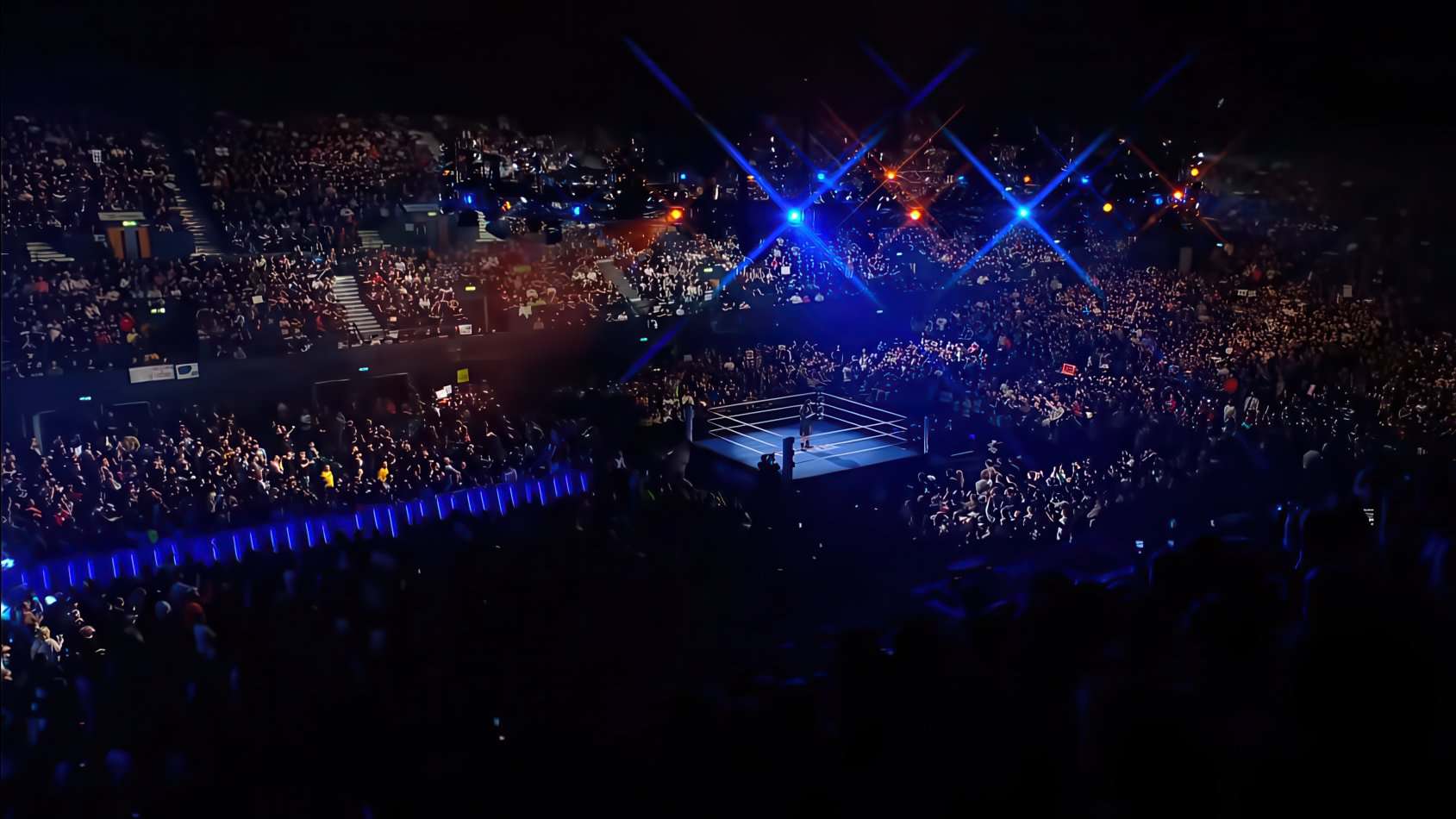
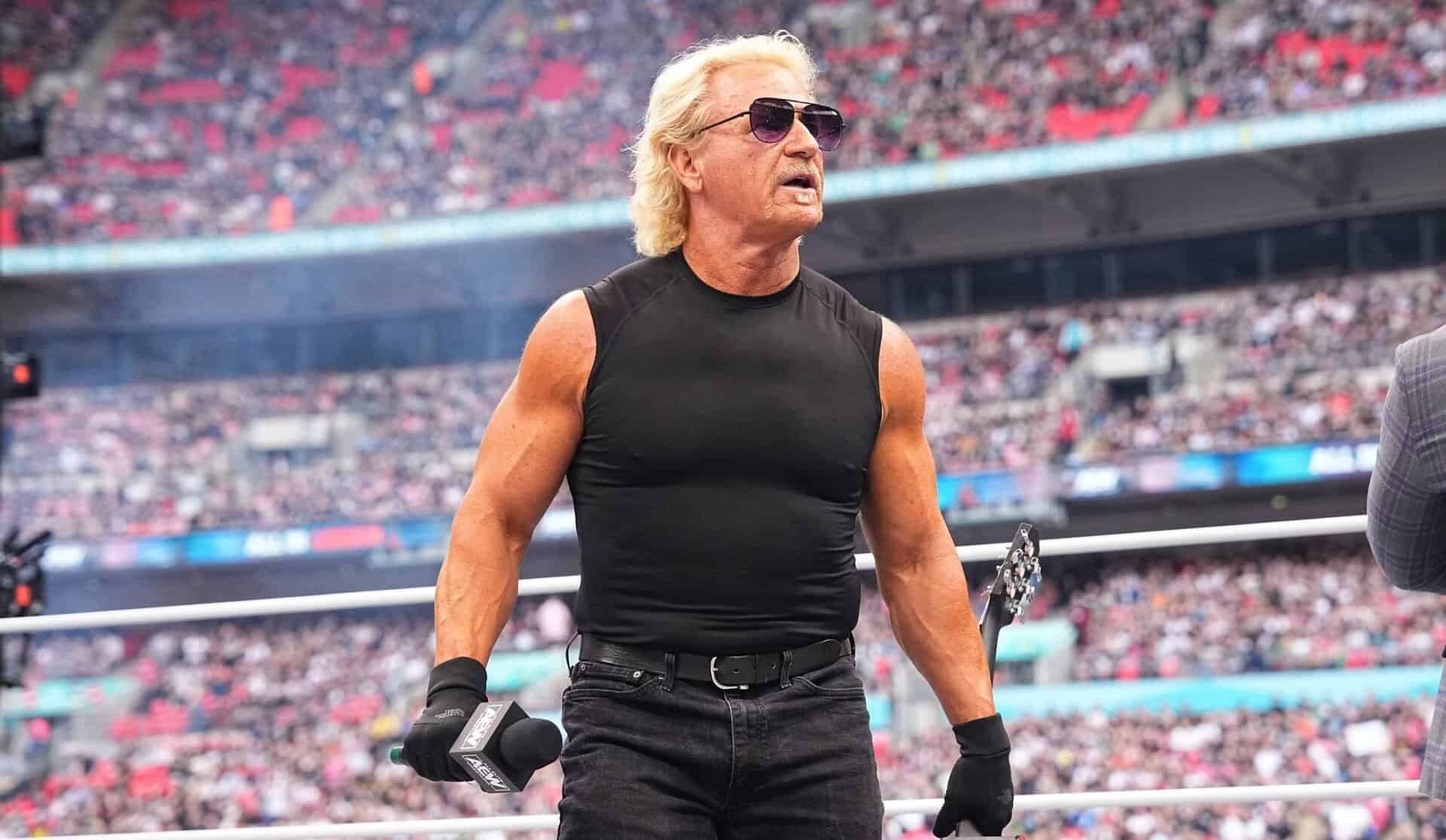
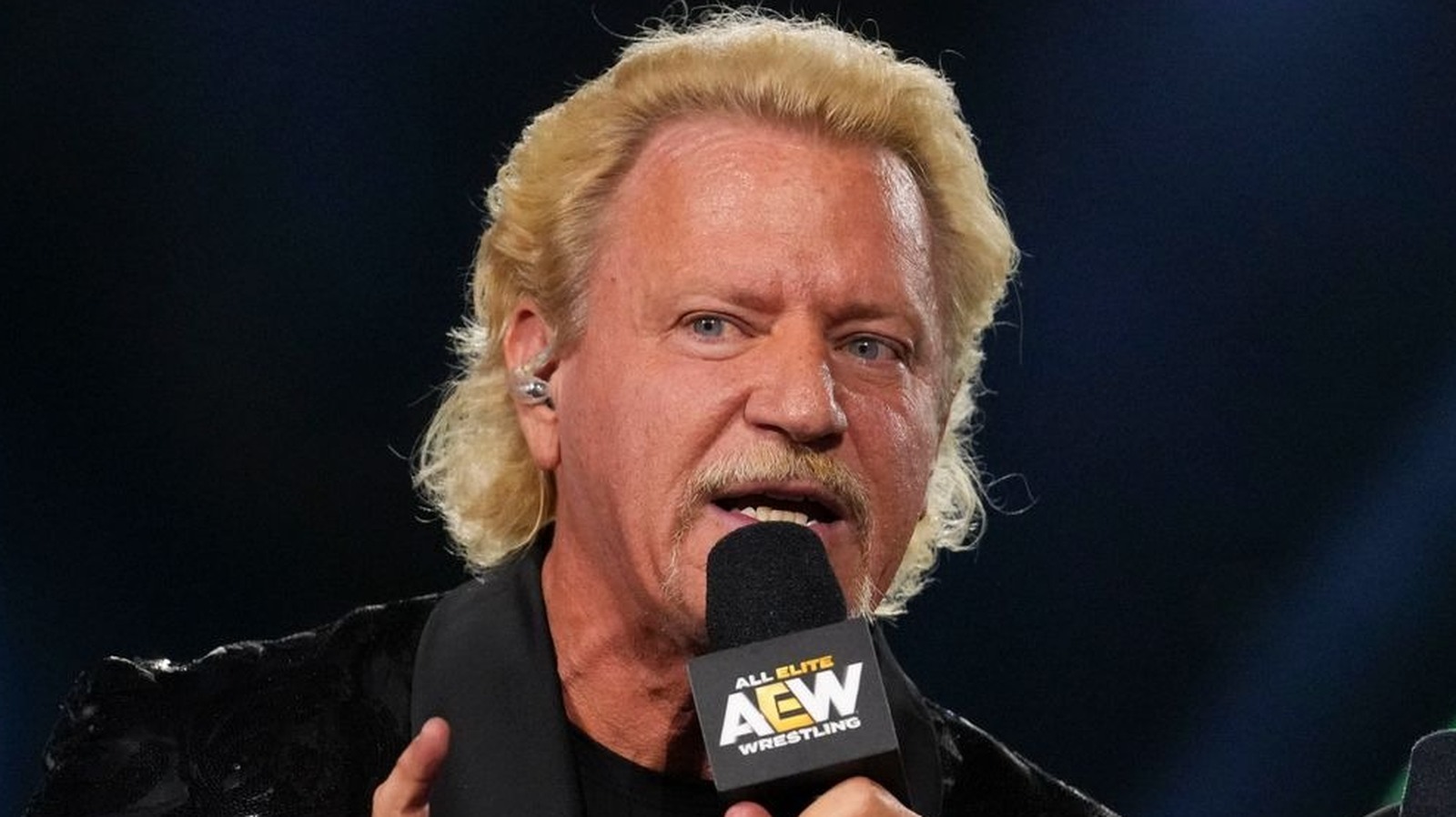
Jeff Jarrett’s recent endorsement of WWE’s decision to inflate their live event schedule feels like a relic of a different era. While he argues for the developmental value of house shows, looking at the current 2026 calendar, it feels like a forced move to maximize short-term revenue before the World Cup takeover. Bringing more dates to smaller venues sounds professional on a balance sheet, but it ignores the physical toll on a roster that already travels over 200 days a year.
The math on fatigue
Data from the last decade suggests a direct correlation between house show volume and injury frequency. When wrestlers are working four nights a week, the move execution slows down. We see fewer high-risk exchanges and more headlocks to fill time by the 15-minute mark. If you look at the recent shift documented by Wrestling Inc, the strategy hinges on keeping the brand visible. However, visibility without high-intensity performance is a losing trade.
Missing the technical mark
The biggest issue here isn't just athlete fatigue; it’s the dilution of the product’s urgency. When every weekend involves a non-televised loop, the weekly television output often suffers from repetitive booking. We are seeing more 'run-in' finishes to protect talent while maintaining the status quo. This is a tactical failure in storytelling. Watching a main event devolve into a predictable brawl every single night isn't just boring, it's lazy match design.
Predicting the burnout curve
I predict that this initiative will crash by August. As we hit the post-World Cup summer lull, the drop in energy from a jaded roster will be impossible to hide on premium live events. Management is banking on ticket sales to pad the bottom line, but they are gambling with the longevity of their most valuable assets. Expect a spike in medical leaves by the third quarter of 2026. A company pushing for global dominance must balance quantity against legitimate performance standards. Right now, the scale is tilted heavily toward quantity, and that always ends in a lackluster product for the fans who pay those ticket prices.