The endless cycle of the live event loop
While everyone is busy arguing about the card for AEW Double or Nothing this weekend, a quiet little rumor just dropped that could actually change the industry. Every couple of years, the wrestling internet gets whipped into a frenzy over the exact same topic. The live event loop. For decades, the house show business was the absolute lifeblood of this bizarre carnival. It was how guys got paid. It was how the old territories survived when the television cameras were turned off.
Then television rights fees exploded. Suddenly, running a random Saturday night in Kalamazoo became a rounding error for a billion-dollar corporation. We spent the last few years watching WWE actively trim the fat. They killed the B-shows. They stopped sending half the roster to perform for three thousand people in half-empty arenas with terrible lighting.
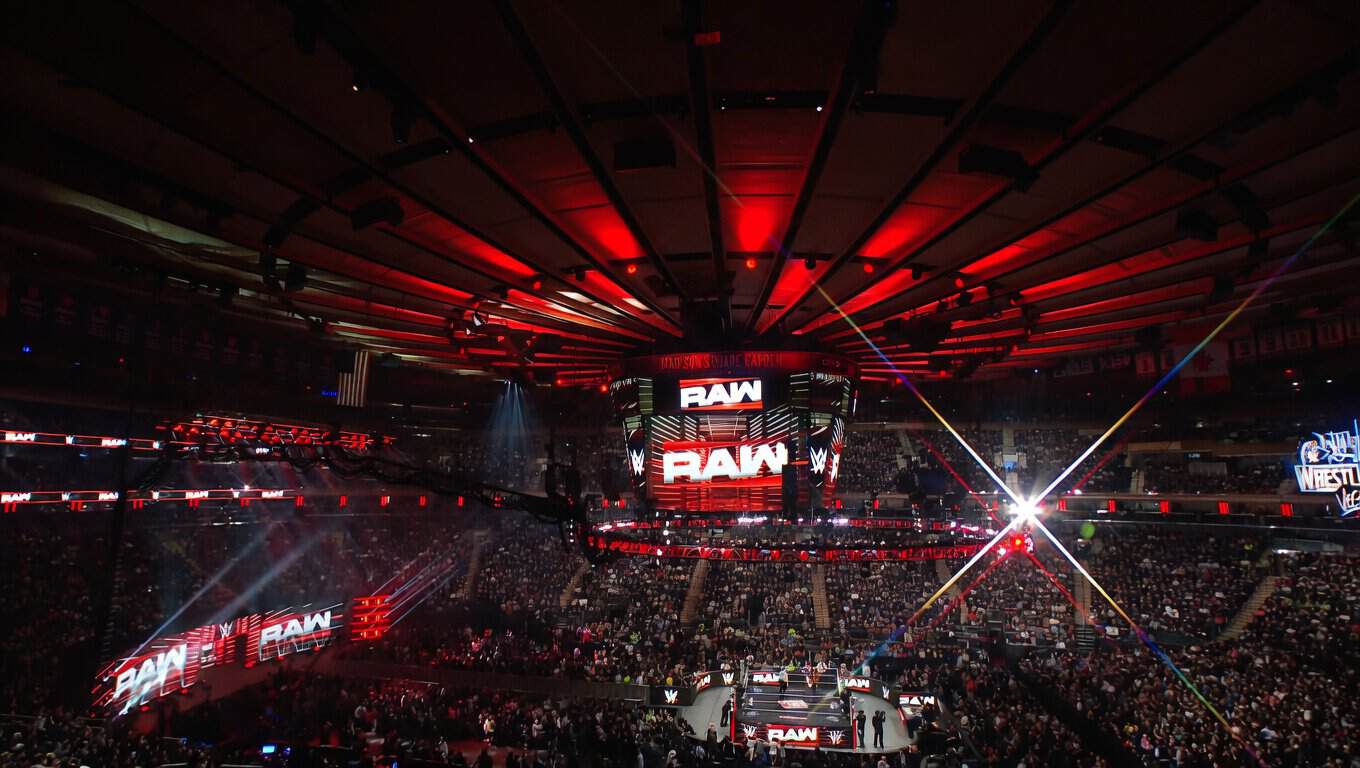
But now, a simple headline from WrestlingNews.co has everyone talking again. The rumor mill is churning out the idea that more WWE house shows could be on the way. Honestly? My first reaction is a massive groan. Because while more wrestling sounds great in theory, the reality of the WWE road schedule is a literal meat grinder.
We all remember the horror stories from the pre-pandemic era. Guys working 300 days a year. The endless, mind-numbing loops through the midwest in rented Chevy Malibus. The late-night diners, the nagging injuries that never actually heal because you have to take a chokeslam from Kane on a Sunday afternoon in Peoria.
The TKO math doesn't add up for small towns
Here is what I completely fail to understand about this potential pivot. TKO is running this company now. If you know anything about Endeavor, you know they do not do anything unless the margins are absolutely stupid. Look at the UFC model. They don't just run events for fun. They extract massive site fees from local governments who are desperate for a weekend economic bump.
Nick Khan has spent his entire tenure maximizing revenue and minimizing pointless expenses. Why on earth would they go back to the old model? Running house shows in secondary markets was famously a break-even proposition for WWE for years. Sometimes they literally lost money on the night just to keep the brand awareness up in those cities.
If we are getting more house shows, you can bet your life savings it isn't going to be the old model. We aren't going back to the days of John Cena defending the title in a sweltering high school gymnasium. If TKO is expanding the schedule, they have found a way to squeeze guaranteed money out of it. Period.
Maybe it means more international tours. We have seen them aggressively target markets outside of North America for premium live events. It would make sense to sandwich those massive stadium shows with a few heavily subsidized arena dates in the exact same region to maximize the flight costs.
The physical toll on the modern roster
Let's talk about the actual humans who have to bump for a living. The current WWE roster is arguably the most athletic, high-impact group of workers the company has ever assembled. They do things on a random episode of Raw that would have been the finish to the main event of Starrcade '97.
You cannot ask these guys to work a heavy house show loop without someone breaking. The human body is not designed to take a poison rana or a top-rope brainbuster four nights a week. We are finally in an era where wrestlers are getting actual time off to heal. The injury list is manageable right now. Why mess with that?
Sure, Roman Reigns isn't going to be working these shows. He barely works television as it is. But what about the workhorses? What about Seth Rollins? What about Cody Rhodes, who already treats every single crowd like it's the biggest night of his life? You add twenty more dates to Cody's schedule, and he is going to run himself right into the ground.
This is where my skepticism really kicks in. The booking under Triple H has been incredibly methodical. It relies on long-term storytelling and keeping the key players healthy for the major pay-per-views. Adding more non-televised dates feels like a direct contradiction to the philosophy that finally made the product watchable again.
Why house shows are secretly the best WWE product
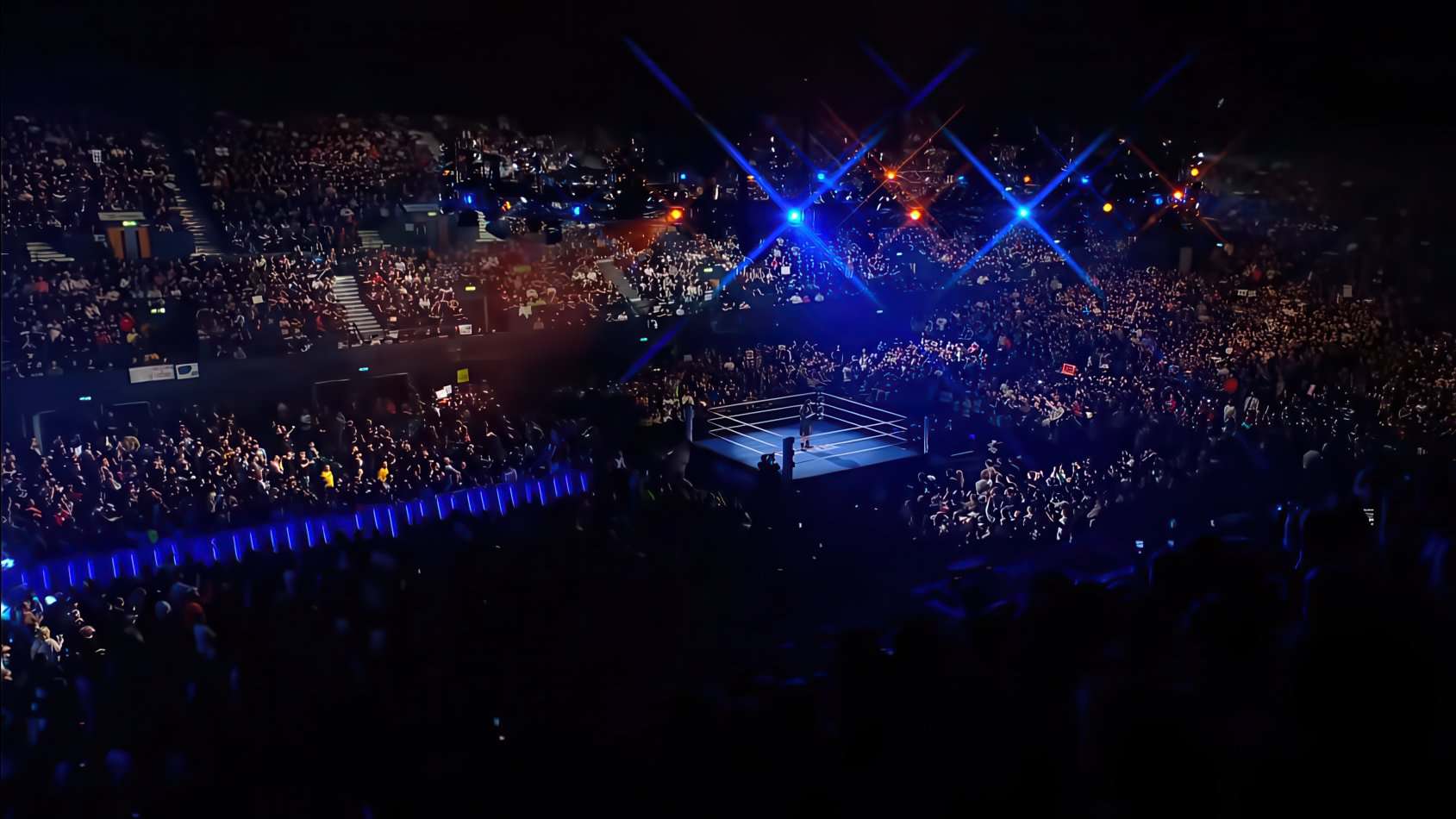
Okay, let me play devil's advocate for a second. Because despite the grueling travel and the injury risks, house shows are genuinely the best way to consume WWE as a fan. If you have never been to an untelevised live event, you are missing out on the absolute purest version of the product.
There are no commercial breaks. There are no invisible cameras. There are no painfully scripted twenty-minute promos that drag the pacing into the mud. It is just wrestling. It is direct crowd interaction. It is heels actually getting to work the crowd instead of rushing to hit their cues for the satellite feed.
You see things at house shows that you will never see on TV. I remember seeing a live event a few years ago where the entire main event devolved into a comedy spot about a missing turnbuckle pad. The guys were clearly having a blast. They were calling the match in the ring, feeding off the crowd, and remembering why they got into this ridiculous business in the first place.
If WWE can find a way to run more of these shows without killing the roster, it's a massive win for the fans in secondary markets. Not everyone can afford a plane ticket and a hotel room for a stadium show. Sometimes you just want to take your kid to the local civic center, buy an overpriced shirt, and boo the bad guys.
The developmental argument
There is also the undeniable fact that wrestlers need reps. You cannot learn how to work a main event style match by sitting in the catering line at Raw. You learn by working twenty-five minutes with a seasoned veteran in front of an exhausted crowd in a half-empty building.
Look at the crop of talent currently transitioning from NXT to the main roster. Guys like Bron Breakker and Carmelo Hayes. They have all the athletic potential in the world, but they need ring time. They need to figure out how to read a crowd that isn't the hardcore, heavily-coached audience in Orlando.
House shows are the ultimate testing ground. It is where WWE tests out potential feuds. They run a match on the loop for three weeks to see if the guys have chemistry before they ever commit to putting it on television. If the chemistry is completely terrible, nobody ever sees it except the folks in the cheap seats in Dayton.
Without that loop, you end up with guys debuting on television who look lost as soon as the bell rings. The Performance Center can teach you how to hit the ropes, but only the road can teach you how to be a professional wrestler.
What "more" actually means in 2026
So, what are we actually talking about here? The report just says "more" house shows could be on the way. In the wrestling internet economy, "more" could mean an extra ten dates a year, or it could mean a return to the split-squad, multi-tour madness of the late 2000s.
If it is the former, I don't think anyone really cares. Tacking on a Friday night show before a Saturday premium live event is just smart business. It maximizes the travel budget. But if they are talking about firing up the B-loop again and sending the midcard out to draw 2,000 people on a Thursday night? That is a massive red flag.
I simply do not believe the modern audience cares enough about the lower card to buy tickets for a show without the top stars. The brand used to be the draw. Now, the individual stars are the draw. If Cody, Roman, and Rhea Ripley aren't on the poster, the casual fan is staying home.
This company has spent the last few years successfully retraining its audience to treat live events like major spectacles. The production values are insane. The ticket prices reflect that. Diluting the brand with watered-down house shows feels like a huge step backward to an era we should have happily left behind.
The inevitable burnout of the boom period
Let's be brutally honest about the state of the industry right now. We are currently riding a massive boom period. The television numbers are stable, the arenas are completely full, and the merchandise is flying off the shelves. But wrestling is cyclical. The boom will eventually fade. It always does.
When you are in a boom period, the temptation is always to squeeze the sponge until it is bone dry. You want to run more dates, sell more shirts, and milk the audience for every single dime before the cold streak hits. It is a tale as old as time in this carny business.
But that is exactly how you burn out your stars. That is how you end up with a roster full of guys working through torn labrums and blown out knees. It is incredibly shortsighted. The long-term health of the talent has to be the primary concern, because without them, you are just a corporate logo and an empty ring.
I hope TKO management understands the delicate balance they have struck right now. The roster is happy. The locker room morale seems to be higher than it has been in decades. Do not ruin that by turning the schedule back into a death march just to pop the third-quarter earnings report.
Waiting for the other shoe to drop
At the end of the day, this is just a rumor. A headline gets tossed out there, and we all spend our afternoons writing thousands of words dissecting it. That is the beauty and the curse of being a wrestling fan in 2026. We obsess over the logistics and the travel schedules just as much as the actual storylines.
But where there is smoke, there is usually fire in this industry. If the whispers of an expanded schedule are out there, somebody in Stamford is actively crunching the numbers. They are staring at heat maps of ticket sales and trying to figure out if they can squeeze one more date out of a swing through the midwest.
I just hope they tread carefully. The product is working right now because it feels special. When a major WWE event rolls into town, it feels like the circus has finally arrived. If you start showing up in every single town, every single month, that magic disappears really fast.
Keep the big shows big. Keep the TV shows focused. And if you absolutely have to run more house shows, for the love of God, give the guys a few weeks off afterward to recover. Because nobody wants to watch their favorite wrestler tear a quad in a meaningless match on a Tuesday night.