The Illusion of the Light Schedule
Remember when the Endeavor deal went through and everyone whispered that the grueling, bone-dusting WWE touring schedule was finally going to be put out to pasture? Yeah, about that.
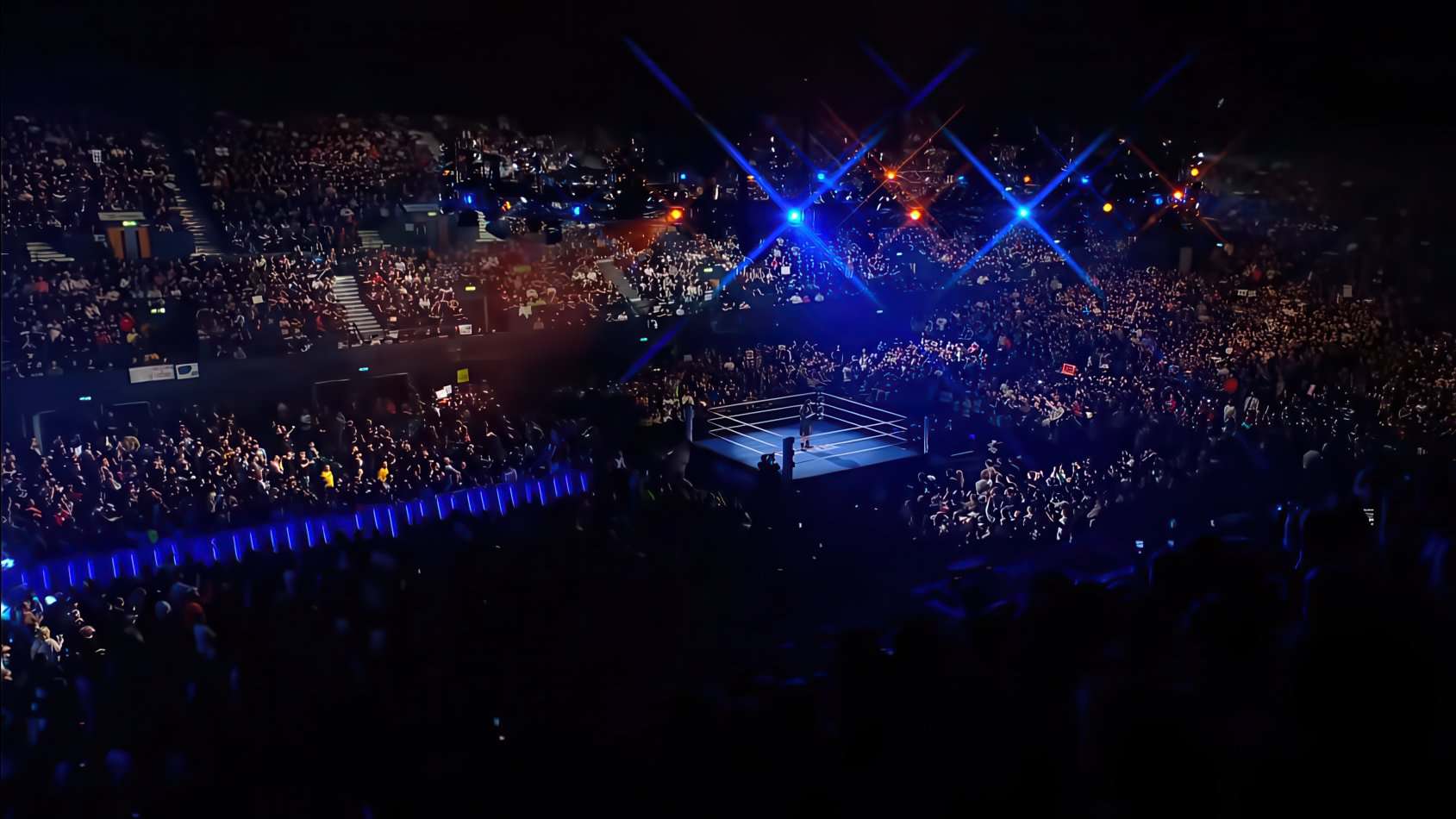
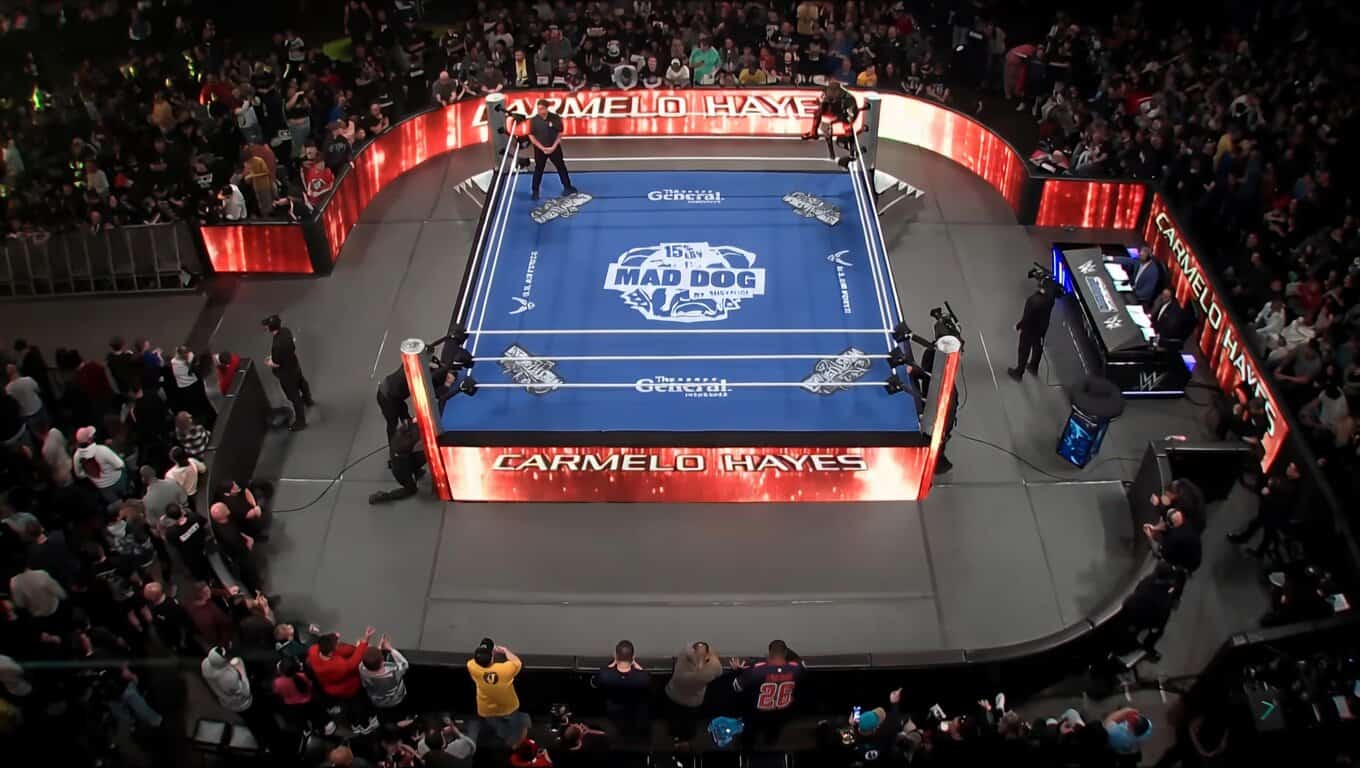
The news dropped today that WWE is tacking on 10 additional dates to their 2026 Summer Tour. Not TV tapings. Not Premium Live Events. Good, old-fashioned, untelevised house shows.
If you thought the modern era meant wrestlers finally got to sleep in their own beds for more than two nights a week, Ari Emanuel and Nick Khan just laughed in your face. This expansion isn't just a minor logistical tweak.
It is a very loud, very clear statement that the TKO group intends to squeeze every single drop of revenue out of this roster while the wrestling boom is still red hot. Honestly, it feels like a regression to a time we all agreed was slowly killing the talent.
The Almighty Live Gate
Let's look at the numbers, because Nick Khan certainly is. Live event revenue has been through the roof since the post-pandemic resurgence.
You put Cody Rhodes on a poster in a mid-sized market, and that arena sells out. But there is a massive difference between running a tightly routed weekend loop and dragging the crew through a grueling summer gauntlet.
These ten dates are squeezed directly between the build for Money in the Bank and SummerSlam. It is already the most physically demanding time of the year. Now, instead of recovering from Monday Night Raw, half the roster is going to be cramming into rental cars.
They will be driving 300 miles to wrestle in front of 6,000 people in places like Evansville, Indiana. The TKO playbook is becoming obvious. When UFC fighters complain about pay, Dana White tells them to fight more. The WWE equivalent is adding ten dates in July and telling the locker room to hit the merch stand.
The B-Town Slog
You have to look at the routing for these new dates to truly understand the absurdity. We aren't talking about Madison Square Garden or the O2 Arena.
We are talking about the quintessential B-Town circuit. The places where the lighting rig is stripped down to the bare minimum, the entrance ramp is non-existent, and the crowd sits on their hands for three hours.
I saw Corpus Christi on that list and nearly threw my phone across the room. We are sending GUNTHER, a man who treats professional wrestling like high art, to chop the absolute life out of somebody in front of the most notoriously silent crowd in North America.
Why? For a $45 ticket and a few foam finger sales? It is baffling.
They added a date in Lafayette, Louisiana, too. The same Lafayette that famously gave us the quietest Raw in television history. You are taking your premium, billion-dollar television assets and grinding their joints into dust in markets that don't even pop for a table spot.
The Toll on the Roster
We are less than a month removed from WrestleMania 41 in Las Vegas, and the roster is already looking like the walking wounded. We all know the reality of professional wrestling. It isn't ballet.
But it also shouldn't be an endurance test to see whose ACL snaps first. Look at the current state of the main event scene. CM Punk is held together by athletic tape, spite, and Chicago deep dish pizza.
You really think it is a smart business move to have him wrestling meaningless six-man tags in Kalamazoo on a Thursday night? Seth Rollins has spent the last three years bumping like a madman.
His back structurally resembles a Jenga tower in the late stages of a game. Tacking on ten extra dates might seem like a rounding error to the suits in the corporate office.
To the guys and girls taking flat back bumps on a reinforced wood ring, it is an eternity. Do we really want to repeat the injury bug of 2015? That was the year Seth Rollins blew out his knee in Dublin on a meaningless house show. We lost the WWE Champion because they needed a main event for an untelevised European tour stop.
The Cody Rhodes Complex
Of course, there is one guy who probably read this announcement and immediately asked for ten more. Cody Rhodes is a sickness. I mean that as a sincere compliment.
The man is completely addicted to being the face of the company. If he isn't defending the WWE Championship in a 25-minute broadway against Dominik Mysterio on a Saturday night in a minor league hockey arena, he feels like he is failing the business.
He wants to be the guy who carries the banner into every single town, shaking hands and kissing babies until his arm falls off. But you can't book your entire touring strategy around one man's inability to take a day off.
The company cannot rely on Cody's psychotic work ethic to set the baseline for everyone else. Cody will do the media hits at 6 AM, visit the children's hospital at noon, and bleed buckets in the main event.
That is not a sustainable model. For every Cody Rhodes, there are five mid-carders who are just trying to survive until their contract is up without needing major reconstructive surgery.
The endless grind mentality is great for a documentary. It is terrible for the long-term health of your roster.
The Premium Ticket Squeeze
Let's be brutally honest about who this actually benefits. It isn't the fans. The house show experience in 2026 is a vastly different beast than it was in 1998.
Back in the Attitude Era, a house show felt like a chaotic, untelevised party. Today, it is a highly sanitized, paint-by-numbers rehearsal for television.
The real money isn't just in the ticket sales. It is in the VIP packages. WWE is going to charge families a premium for a Superstar Experience.
They get a pre-signed 8x10, a commemorative plastic cup, and exactly twelve seconds to take a blurry selfie with LA Knight. It is a massive cash grab.
They know that in these secondary markets, fans are starved for live entertainment. They will gladly pay premium prices for a watered-down product.
You are going to get three disqualification finishes, a 10-minute promo segment to kill time, and a main event where the heels stall for five minutes before taking a single bump. It is efficient business, but it is hardly a must-see athletic contest.
The Ripple Effect on Television
This is the part that actually impacts those of us who just watch at home. When the roster is burnt out, the television product suffers.
It is an undeniable law of wrestling physics. You cannot expect Sami Zayn to deliver a masterclass promo on Monday when he just spent the last 72 hours driving across the Midwest.
Sleeping in terrible hotels and eating gas station food takes a toll. We saw this happen repeatedly in the late 2010s.
The shows felt lethargic because the performers were literally sleepwalking through their segments. The current era of WWE television has been praised for its energy and the sheer vitality of its performers.
You start adding dates, you start chipping away at that vitality. The matches get shorter, the spots get safer, and the promos lose that necessary spark.
The Verdict
The addition of these 10 dates isn't going to sink the company. It isn't going to cause a mass exodus of talent.
But it is a glaring red flag about TKO's priorities. They are looking at the spreadsheet, not the ring.
They see untapped markets and potential gate revenue. They clearly do not care about the physical toll it takes to extract that money.
The summer of 2026 is already packed. Adding a grueling B-Town loop right in the middle of it is just greedy.
We are going to see more taped ribs, more limping down the ramp, and more phantom injuries keeping top stars off television just so they can hit their contracted house show dates. It is a backwards way of running a modern sports entertainment company.
It is a return to a philosophy that we all hoped WWE had left behind. I guess when there is a dollar to be made in Peoria, Illinois, the suits will always find a way to drag the ring out of the truck.