The third rail of professional wrestling
For forty years, the word "union" in professional wrestling was a career death sentence. You didn't say it in the locker room. You certainly didn't say it in front of management.
When Jesse Ventura tried to organize the WWE locker room ahead of WrestleMania 2 in 1986, he was quickly undermined. Hulk Hogan reportedly informed Vince McMahon of the plan. The rebellion died before it began. Since that day, the independent contractor status has remained the ironclad law of the industry.
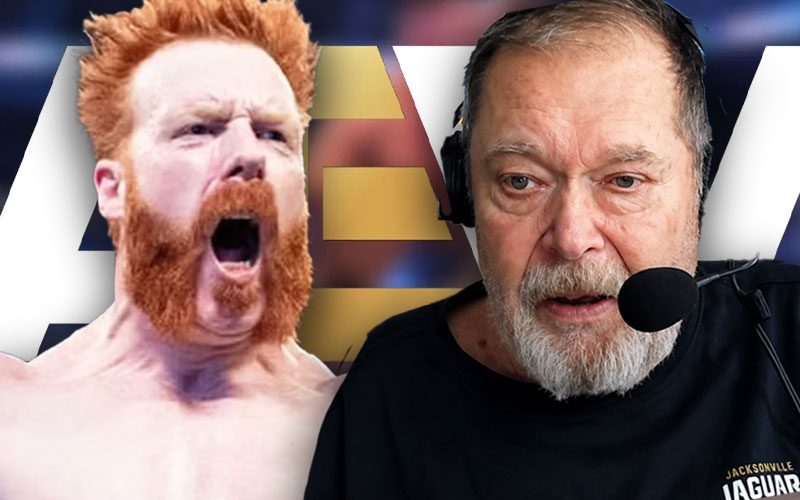
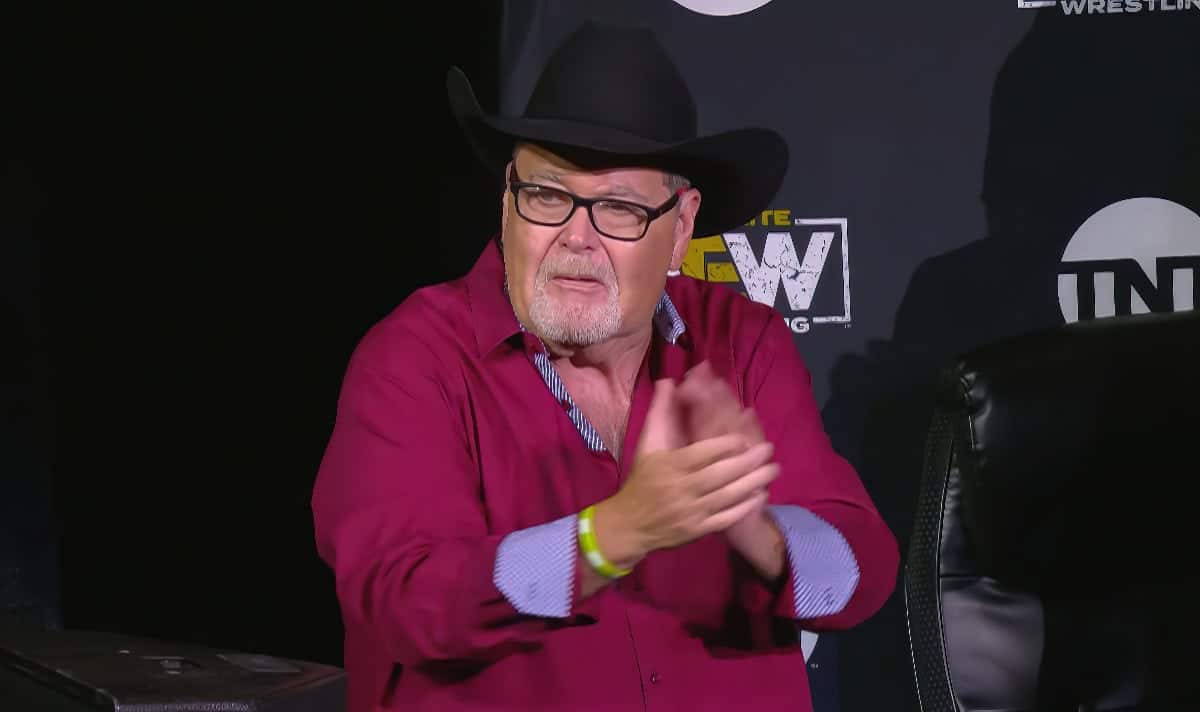
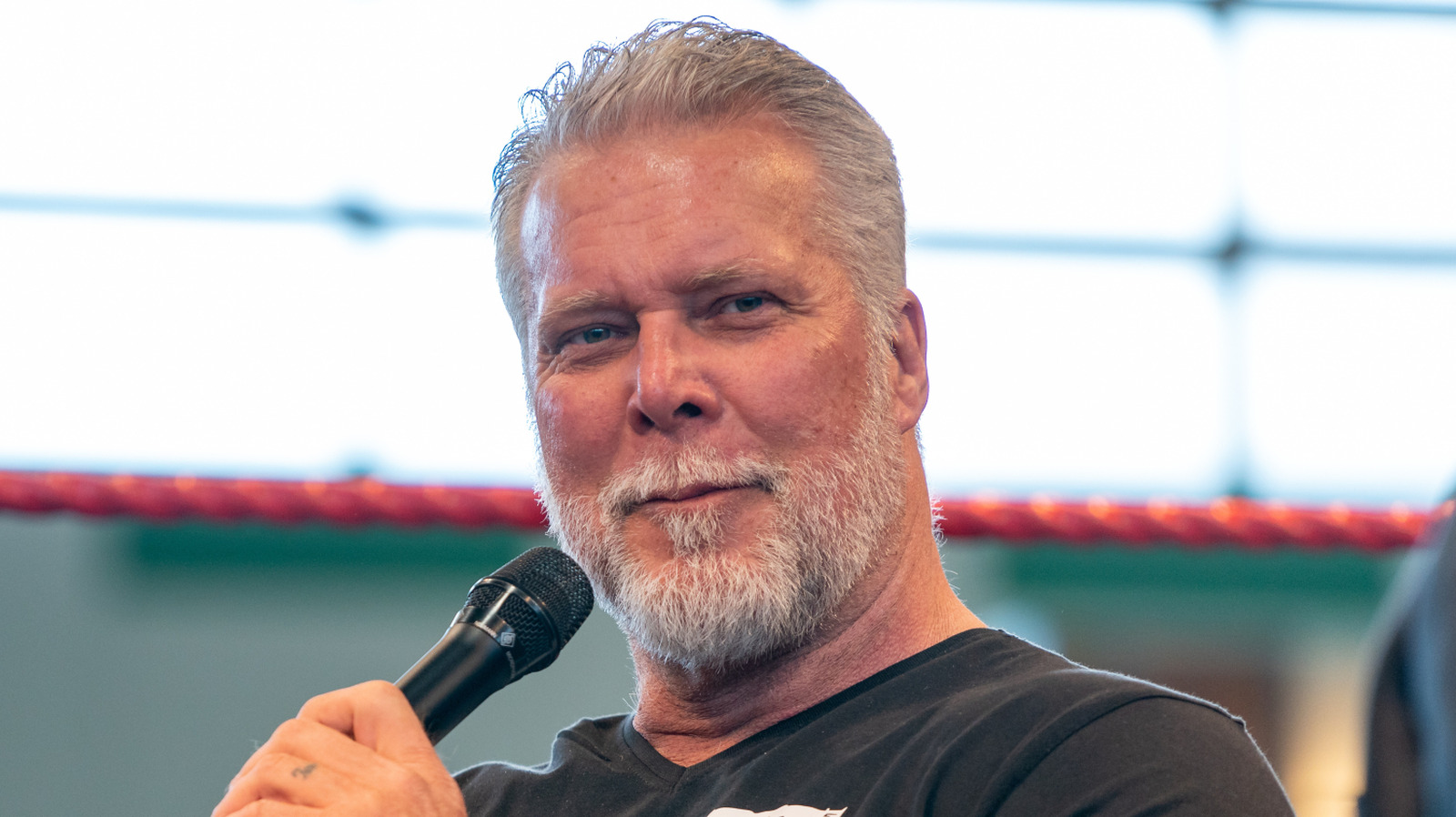
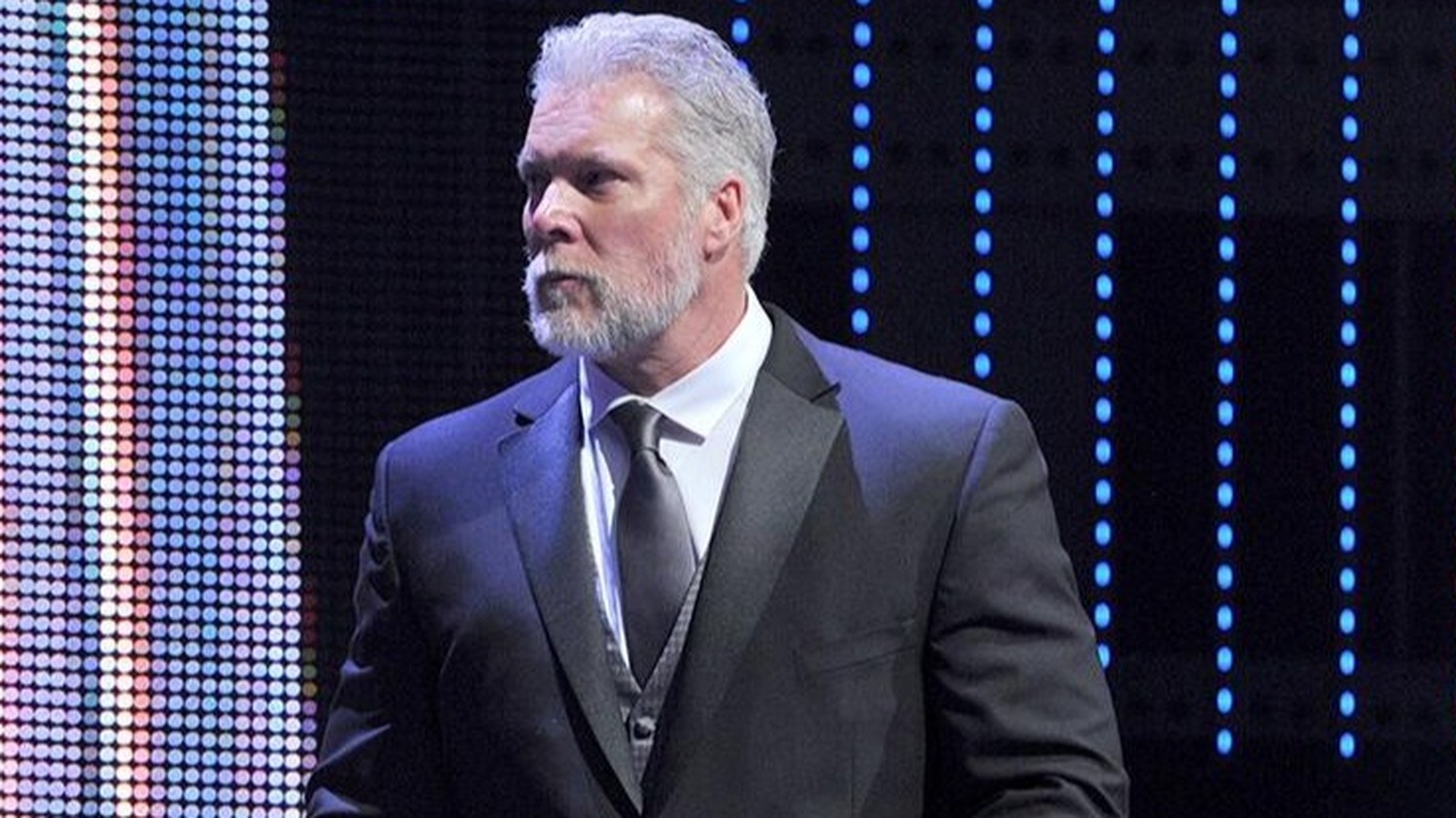
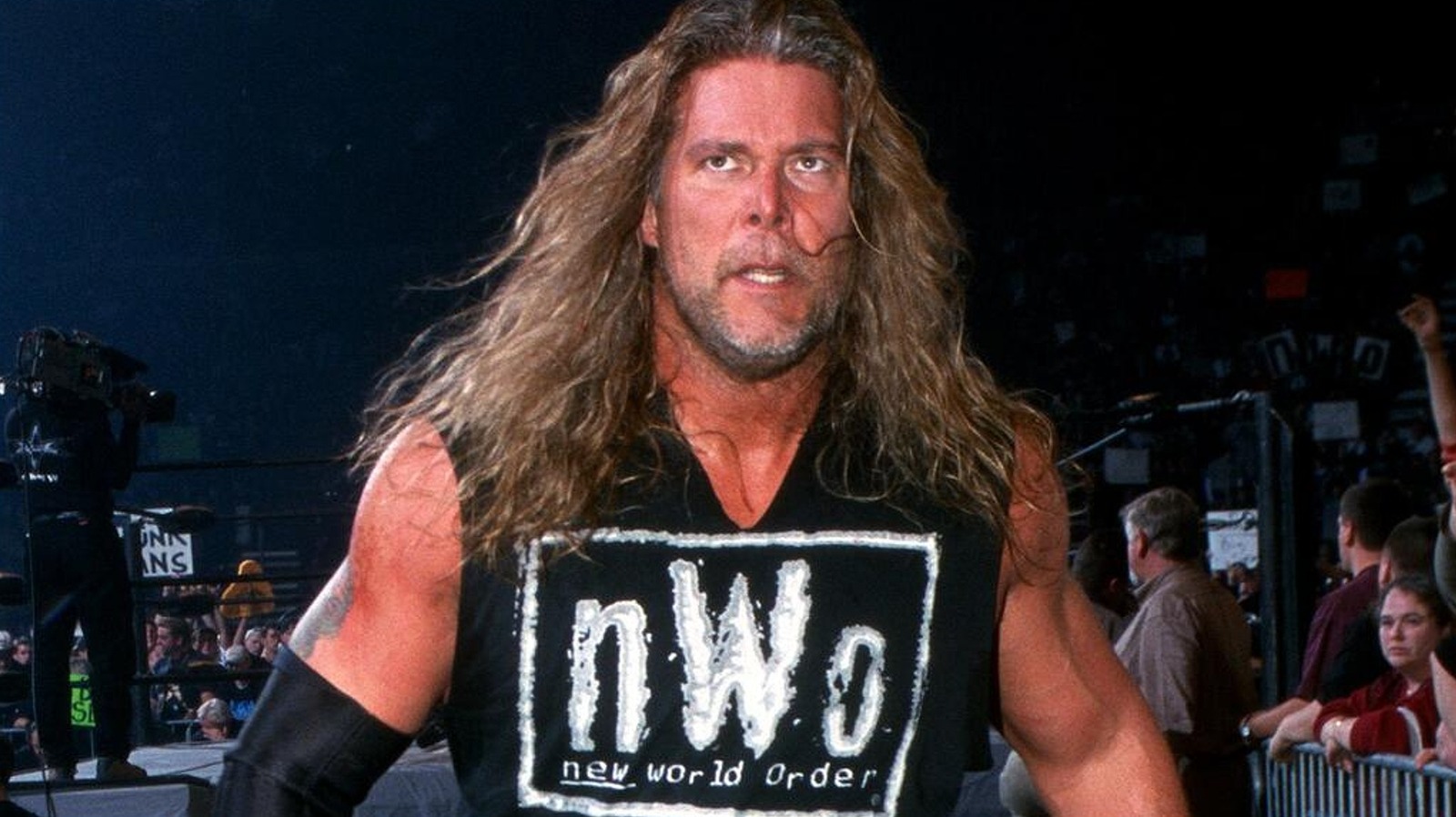
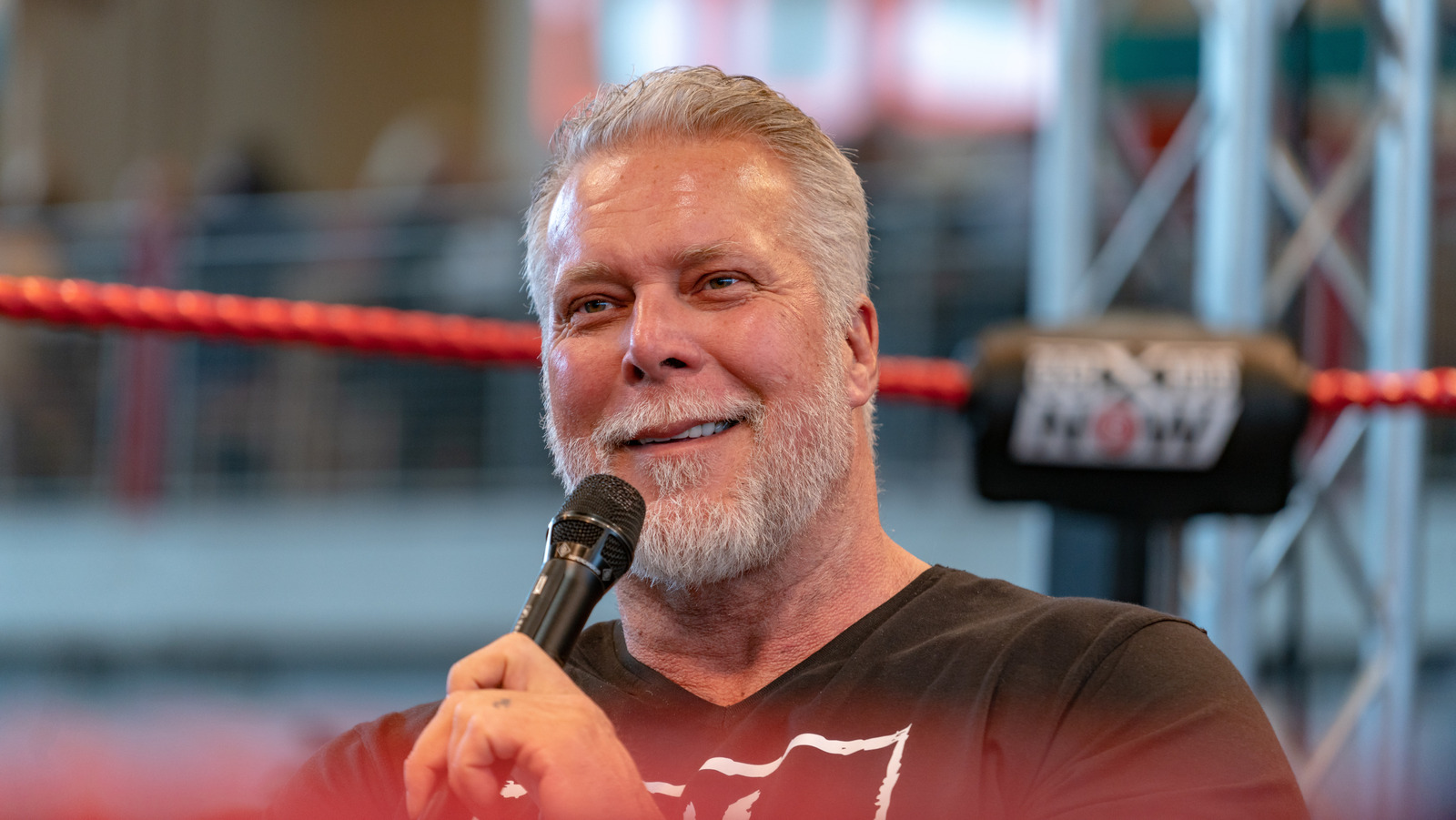
But the ground is shaking. When Kevin Nash recently voiced his support for a wrestlers' union, it was notable. When Jim Ross publicly backed him up, stating simply that
"he knows what he's talking about,"it became a legitimate structural issue.
These are not disgruntled lower-card workers complaining on a podcast. These are two of the most influential political operators in the history of the business. Nash shattered the financial ceiling of the industry in 1996 with his guaranteed WCW contract. Ross literally ran WWE's talent relations department during its most profitable era.
The hypocrisy of retired generals
We have to be honest about the messenger here. It is incredibly easy to advocate for collective bargaining when your bumping days are over.
Ross and Nash held immense structural power in the late 1990s and early 2000s. Nash was the head booker of WCW. Ross was handing out the contracts in Stamford. Neither man used their peak power to organize the boys. They operated within the cutthroat, every-man-for-himself environment because they were at the absolute top of the food chain.
To hear them advocate for labor rights now rings a bit hollow. It feels like a retired general suddenly discovering the horrors of war only after he has written his memoirs. They had the pen. They had the influence. They did nothing to change the independent contractor model when it actually mattered for their peers.
Yet, their current analysis isn't wrong. The math is undeniable.
The economics of May 2026
We are exactly five days away from AEW Double or Nothing. The wrestling business is generating more revenue right now than at any point in human history.
WWE's move to Netflix is fully realized. Stadium shows are routine. The live gates are staggering. Yet the talent actually taking the bumps, tearing their ACLs, and risking their necks are still operating without a collective bargaining agreement. They pay their own road expenses. They cover their own specialized health insurance.
The players in the NBA receive an roughly equal split of basketball-related income. NFL players have a hard salary floor. Professional wrestlers receive a fraction of the gross revenue they generate. They are generating billions and taking home millions.
Nash sees this disparity. He always has. When he jumped to WCW, he didn't do it for creative fulfillment. He did it for a guaranteed downside. He forced the promoters to abandon the old model of paying talent based on the house.
Jim Ross agreeing with him is perhaps even more startling. For decades, Ross was the ultimate company man. He was the executive sitting across the table from the talent, grinding them down on their downside guarantees.
Ross knows exactly how the sausage is made. He knows how many wrestlers signed terrible deals simply because they were desperate to be on television. His public validation of Nash is a stark admission that the system he helped operate was heavily skewed against the workers.
The mechanics of a wildcat strike
How would a wrestling union actually function? The logistical hurdles are massive. You have developmental talent making five figures and main eventers making eight. Getting a top star to strike in solidarity with a dark-match extra requires a level of class solidarity that simply does not exist in professional wrestling.
The business is built on taking your spot. If the top twenty stars walk out, there are two hundred independent wrestlers willing to cross the picket line for a shot at national television. Management knows this. They rely on it.
If you are a mid-card talent making $300,000 a year, you are in the top one percent of global earners. You have a mortgage. You have a family. Are you really going to risk that income to stand on a picket line?
Historically, the answer has always been a resounding no.
The promoters rely on this selfishness. The entire booking structure is designed to breed paranoia. There is only one world champion. There are only a handful of main event slots. You are in constant, direct competition with the man sitting next to you in the locker room.
Organizing a union requires trust. Professional wrestling is a business entirely built on deceiving people.
The breaking point is coming
Let's detail a hypothetical union showdown. Imagine a major stadium event. The main event is set. The stadium is packed with 80,000 fans. The international broadcast is moments away from going live.
Now imagine the locker room refuses to walk through the curtain.
The power they hold in that singular moment is absolute. There is no replacement product. You cannot pipe in fake wrestling. The network partners would panic. The sponsors would demand refunds. The sheer financial terror of a wildcat strike is the only thing that would force ownership to the bargaining table.
As the industry descends on Las Vegas this weekend, the contrast will be stark. The production values will be flawless. Inside the ring, performers will attempt to drop each other on their heads for our entertainment. If one of them miscalculates by an inch, their career is over.
If their career ends on Sunday night, their income stops shortly after. There is no pension. There is no long-term safety net.
The Prediction
We will not see a recognized wrestlers' union by the end of 2026. The top earners are simply too comfortable, and the lower card is too easily replaced. The locker room remains too fractured by the inherent paranoia of the booking sheet.
However, the open discussion of a union by high-profile veterans like Nash and Ross will force management's hand. In order to stave off a genuine organizing effort, we will see quiet concessions. Travel budgets will be quietly expanded. Minimum downside guarantees will rise across the board.
The promoters will offer just enough crumbs to keep the locker room divided. It is the oldest trick in the managerial playbook. Nash knows what he is talking about. But knowing the math and actually organizing a locker room full of paranoid, independent contractors are two completely different things.
Read Next
- Vince McMahon firing Rico Constantino over a raise proves how broken WWE was
- ROH is stuck in a loop of squash matches and missed opportunities
- Top 10: The Most Shocking WWE Contract Decisions of the Modern Era
- MJF just called Tony Khan a great boss and the wrestling internet is divided
- 🎲 AEW Double or Nothing 2026 — Full Coverage Hub