The Double or Nothing Assignment
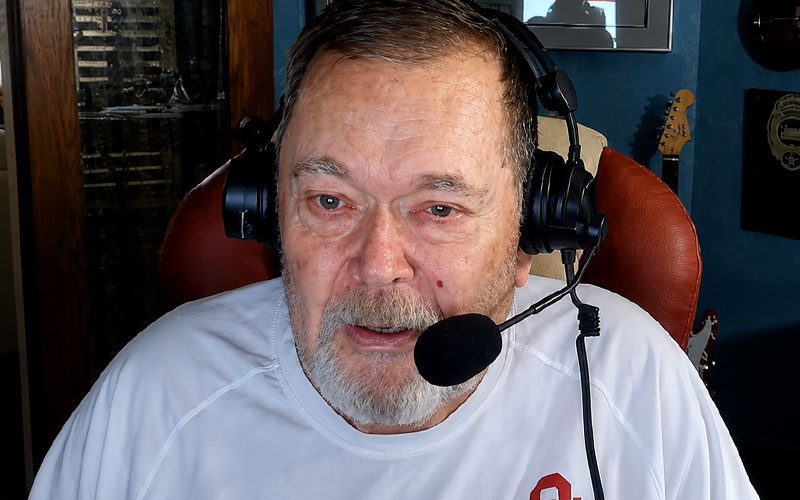
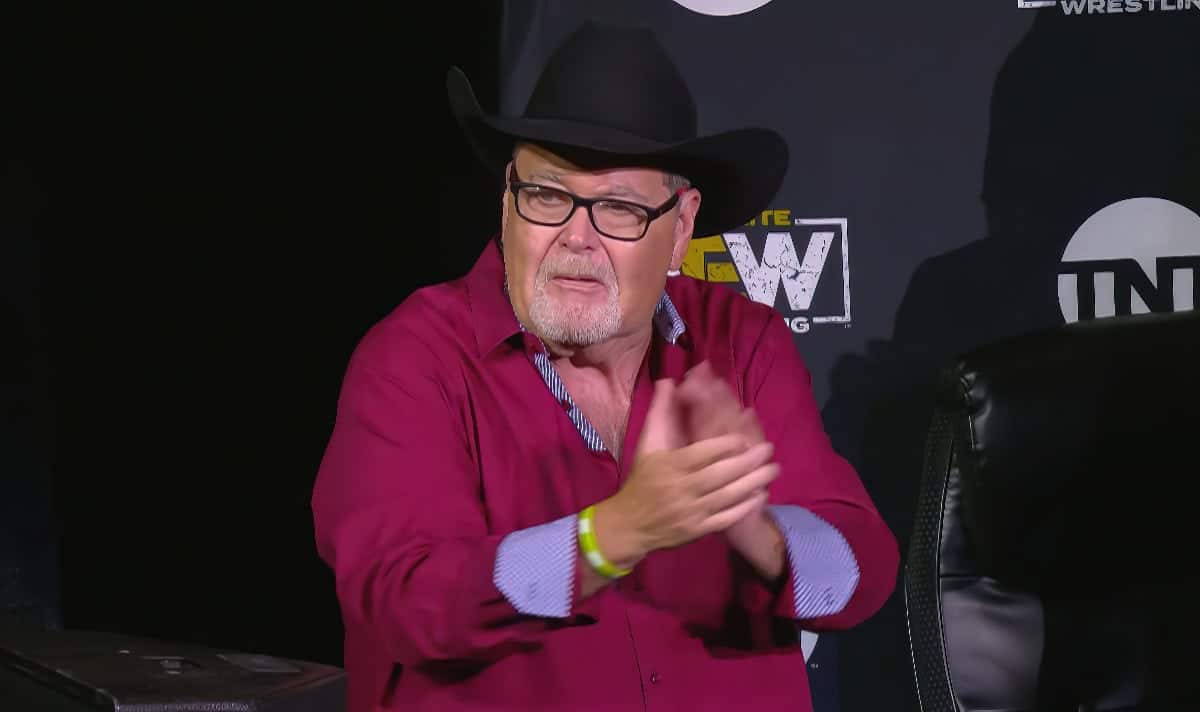
Jim Ross is heading back to the broadcast booth. In just 10 days, AEW arrives in Las Vegas for Double or Nothing 2026. According to a recent update from WrestlingNews.co, the legendary announcer confirmed his scheduled appearance on the call.
This is welcome news for longtime fans who view his voice as the definitive soundtrack to professional wrestling. It also highlights an ongoing, frustrating flaw in AEW's television presentation. Tony Khan still struggles to establish a permanent, modern voice for his promotion.
Excalibur handles the heavy lifting on play-by-play. Taz provides excellent color commentary and comic relief. But Khan repeatedly parachutes Ross into the mix for major pay-per-views. It regularly creates a crowded, disjointed desk.
Ross occasionally struggles to track the hyper-kinetic, rule-breaking style of modern AEW matches. When a referee ignores a tag rope for the fifth time in a bout, Ross sounds audibly annoyed. That frustration actively bleeds into the live broadcast.
However, when a slow-burn main event finally reaches its climax, nobody sells the gravity of a world championship quite like him. He is a highly situational asset now. Using him strategically at Double or Nothing makes perfect sense. Throwing him out there for three hours of chaotic weekly television does not.
AEW needs to finalize a cohesive booth and stick to it. The May 24 pay-per-view is vital for AEW’s summer momentum. The commentary must match the stakes without stumbling over its own feet.
The Damage is Already Done to Finn Balor
Ross recently shared his thoughts on another mismanaged wrestling asset. Speaking on his podcast, he pointed to Finn Balor’s Demon persona. Ross stated he is a massive fan of Balor and his dark alter-ego.
But he included a major caveat. As noted by Wrestling Inc, Ross firmly believes the Demon character must be used sparingly.
It is a completely correct take. It is also about five years too late. WWE already shattered the aura of the Demon long before Ross made this observation.
When Balor first introduced the body paint in NXT, it was treated like an invincibility cloak. He only brought it out for the biggest TakeOver events. It felt like a guaranteed, terrifying victory.
The main roster completely fumbled the execution. Vince McMahon did not understand the nuance. He treated it like a Halloween costume rather than a psychological weapon.
The booking damage culminated at Extreme Rules in 2021. Balor wrestled Roman Reigns for the Universal Championship. The finish saw the top rope inexplicably collapse, leading to a sudden Reigns victory. It made the Demon look entirely foolish.
Triple H tried to revive the gimmick for WrestleMania 39 against Edge. Balor lost that match too, suffering a severe head gash in the process. The mystique is permanently gone.
Ross is right that special attractions need to be rare. But rarity only works if the attraction is heavily protected. A rare loser is still just a loser.
If Balor breaks out the paint tomorrow, fans will pop for the entrance music. They will not, however, believe he is guaranteed to win. The booking killed the magic.
The Judgment Day faction revived his career precisely because it stripped away the supernatural elements. He needs to lean into being a vicious veteran. Relying on face paint that has a documented history of losing major title matches is a dead end.
A Massive Shift on Labor Relations
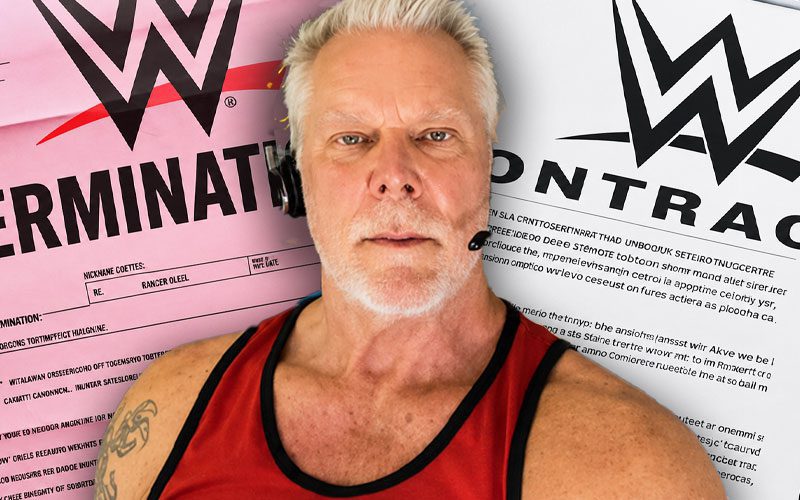
The most interesting comment from Ross this week had nothing to do with booking decisions. It had to do with labor. Ross surprisingly threw his support behind recent comments made by Kevin Nash regarding a wrestlers' union.
Ross delivered a very simple statement regarding the Hall of Famer's labor ideas.
"You can’t hurt yourself by listening to"
He explicitly encouraged the locker room to hear Nash out. As WrestlingNews.co highlighted, this represents a massive philosophical departure.
You have to look at his resume to understand why this matters. Jim Ross was the Executive Vice President of Talent Relations for WWE during the Attitude Era. He was the executive handing out the downside guarantees.
He was the guy enforcing the independent contractor status that McMahon relied upon to build his empire. For decades, WWE management crushed any whisper of unionization.
Jesse Ventura tried to organize the locker room ahead of WrestleMania 2 in 1986. Hulk Hogan immediately ran to McMahon and ratted him out. Ventura was isolated. The message was sent loudly.
Management always preached that wrestlers were independent contractors. They paid their own travel. They bought their own health insurance. They handled their own taxes.
Yet, they were locked into exclusive television contracts and told exactly when and where to work. It was the ultimate one-sided deal. Ross enforced that system for years.
For him to sit behind a microphone in 2026 and suggest talent should listen to union talk is jarring. It shows how drastically the business has shifted under the TKO corporate umbrella.
Kevin Nash is the Right Messenger
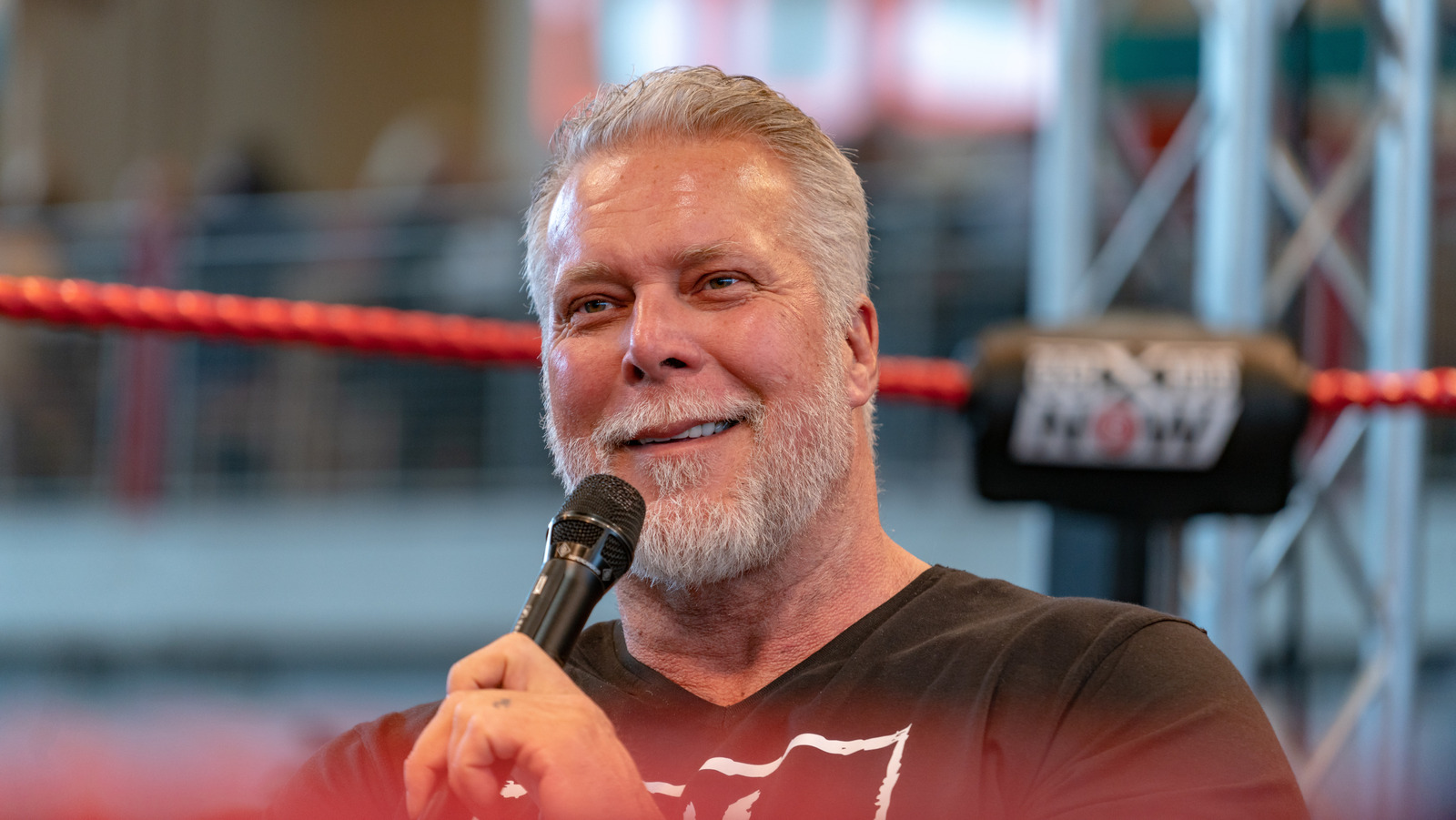
Kevin Nash is the perfect messenger for this movement. Nash single-handedly changed the financial structure of the industry in 1996. When he and Scott Hall jumped to WCW, they demanded fully guaranteed money.
Before that defection, wrestlers were paid on a volatile draw system. If the house was down, your paycheck was down. Nash forced billionaires to open their wallets. He has always treated professional wrestling as a cutthroat business, not a childhood dream.
Now, WWE is owned by Endeavor. The company is completely corporatized. The massive television deals with Netflix and the CW mean corporate profits are higher than ever before.
Yet, the talent share of the total revenue is still drastically lower than what players make in the NFL or NBA. Athletes in major sports leagues get roughly a fifty-fifty split of all revenue.
Pro wrestlers get a tiny fraction of that amount. Without a collective bargaining agreement, they have no power to demand a larger slice of the pie.
Nash sees the massive financial disparity. He knows the TKO executives are answering directly to Wall Street shareholders. The only way to force a corporate monolith to share the wealth is through collective action.
Ross agreeing with him gives the concept incredible legitimacy. When the guy who used to negotiate the restrictive contracts says the current talent should organize, people listen. It strips away the old-school mentality that unions will somehow kill the business.
Tony Khan has previously stated he is open to the idea of a union in AEW. However, no formal steps have ever been taken by the talent. WWE executives would undoubtedly fight any labor movement tooth and nail.
UFC fighters have spent years trying to organize against Endeavor, facing endless legal and structural roadblocks. A wrestling union is still a massive long shot today.
The locker room is inherently selfish by design. Top stars rarely want to risk their main event money to secure better health insurance for the undercard workers. That is exactly how McMahon kept them divided for forty years.
But the labor conversation is no longer happening in hushed tones in the back of rental cars. It is happening on massive podcasts hosted by Hall of Famers. The stigma is finally fading.