The industry lost its humility years ago
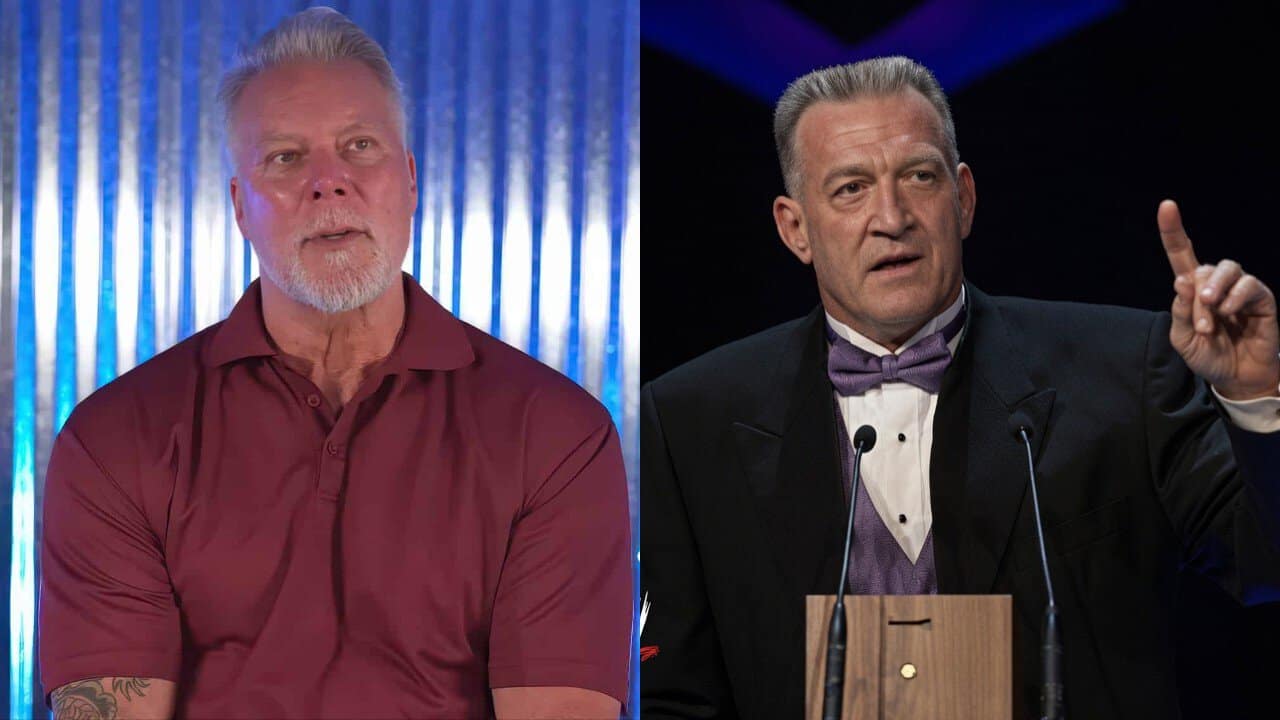
Kevin Nash is a guy who usually spends his time scrolling through Twitter or sitting on a podcast couch, reminding everyone he was the guy putting asses in seats while the rest of us were still figuring out how to set the VCR. But when Diesel decides to pull back the curtain on his time with Paul Orndorff, you stop scrolling. You actually listen.
We have reached an era where talent walks into the Performance Center like it’s a spa day. They want the pyro, the music, and the merch payout before they’ve even figured out how to lock up properly. Orndorff represents the old guard who would make you earn every square inch of that ring, usually by stiffing you until you either learn to bump or you quit.
The lesson that separates the legends from the scrubs
Nash told a story that cuts through the modern nonsense like a chair shot to the head. It wasn’t about some high-concept booking strategy or a genius promo. It was about respect. Specifically, Orndorff taking a look at a young, green Big Sexy and essentially telling him he wasn’t worth the air he was breathing unless he started acting like he belonged in the main event.
You look at guys like Jade Cargill today, who are riding a rocket ship based on sheer presence, and you wonder how they’d handle a guy like Mr. Wonderful working them. As recent reports on Jade's aggressive in-ring approach suggest, intensity is a double-edged sword. If you’re stiffing people just to prove a point without the veteran savvy to back it up, you’re not a worker. You’re just a liability.
Orndorff didn’t care about Nash’s knee pads or how tall he was. He cared about whether Nash was going to be a mark, a nuisance, or a professional. That’s a standard that seems to have evaporated somewhere between the advent of social media and the end of the territory days. Nowadays, if a veteran gives actual feedback, the young talent hops on Instagram to subtweet about how toxic the environment is.
The dark side of the locker room
Let's be clear: Orndorff wasn’t a saint. He was a guy who once famously laid out Vader in a backstage shoot fight. There is a fine line between teaching a kid the business and being a total nightmare to work with. If you look at the history of the late 80s, the territorial nature of the locker room was often just toxic hazing dressed up as a mentorship. We shouldn't romanticize the bullying aspect of it.
However, compare that to the product we get now, where everything feels incredibly safe. When you look at the build for recent events, like the absolute confusion surrounding the SummerSlam main event between Punk and Rhodes, you see a lack of hard-nosed discipline. Everyone is obsessed with the "meta" narrative. Nobody is just out there throwing hands to settle a score anymore.
Nash’s story serves as a reminder that the best characters were often forged through genuine friction. If you’re not willing to get your pride checked by a guy like Orndorff, you probably don't have the stomach for the top of the card. It’s not about being a tough guy; it’s about knowing your place in the food chain until you’ve put in the 10,000 hours required to run the show.
If you don’t have an Old School guy barking at you when you miss your spot by half a step, you have no incentive to be perfect. Modern wrestling is missing that sense of urgency. We’ve traded in the threat of getting your jaw broken for the threat of a bad star rating on CageMatch. That’s a trade-off that makes everyone a little softer.
Ultimately, Nash is just missing the era where you were scared of your peers. Being terrified of Paul Orndorff for 15 minutes in that locker room probably did more for Big Sexy’s career than a decade of power-point presentations on brand synergy ever could. You can’t teach intensity in a classroom, folks. You learn it when a guy who looks like a Greek god decides you’re an idiot and treats you accordingly.
We need more of that unfiltered, slightly ego-bruising mentorship. Wrestling is supposed to be the playground for the dangerous and the desperate, not a corporate ladder where everyone is worried about their LinkedIn profile. Nash knows it, and frankly, I think anyone who still cares about the art form knows it too.