A harsh truth from the Ruthless Aggression era
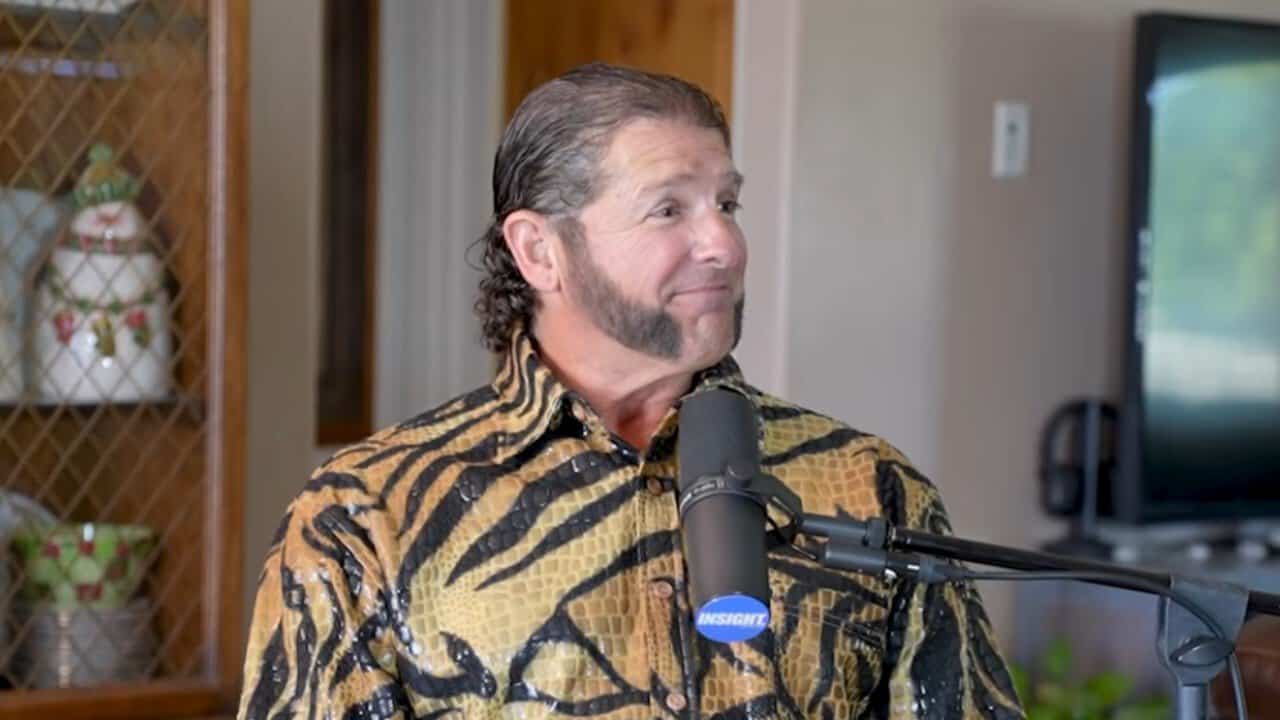
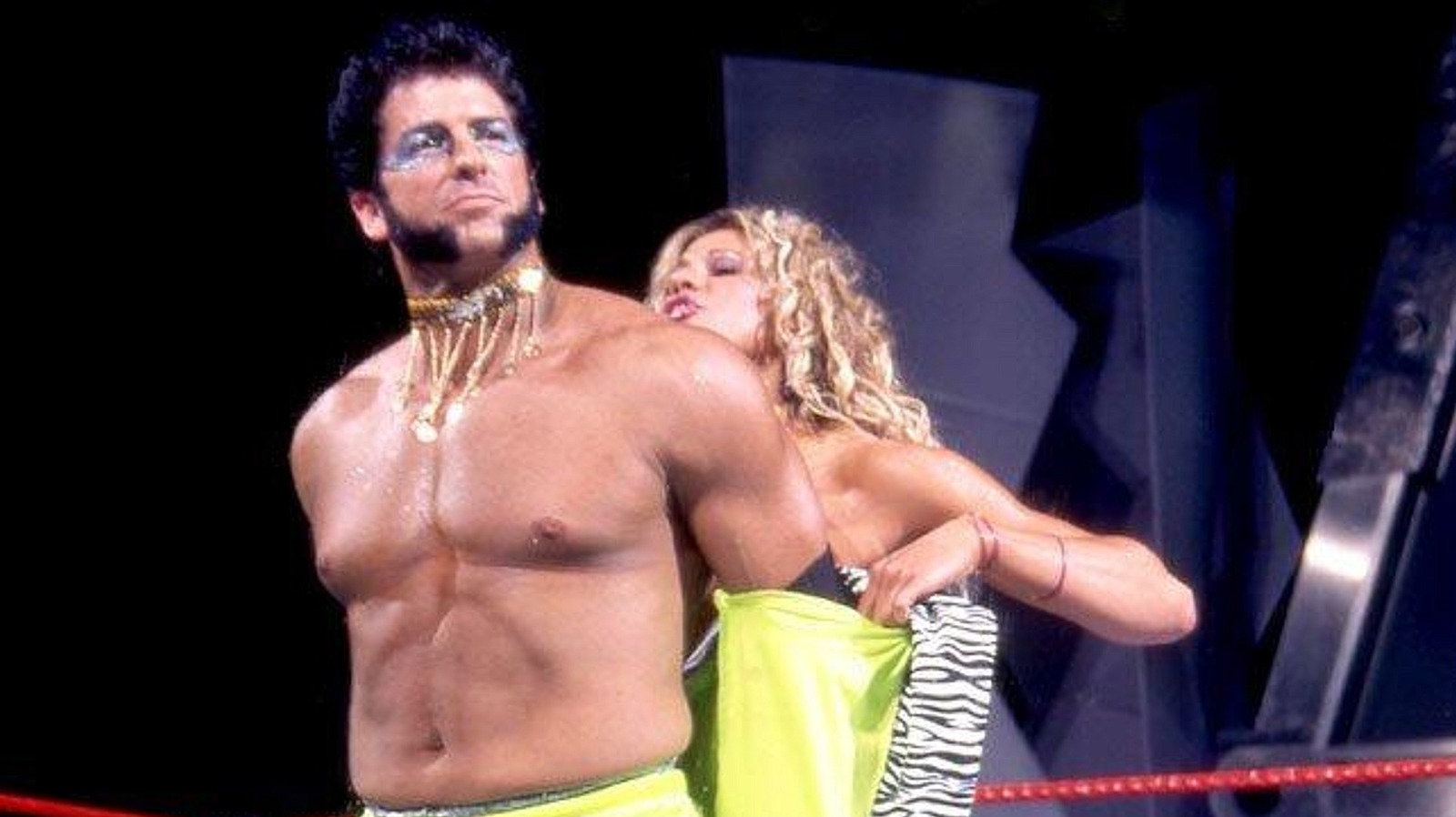
If you watched WWE programming during the early Ruthless Aggression era, you remember Rico Constantino. The massive mutton chops were instantly recognizable. The garish, sequined outfits burned themselves into your retinas. He debuted as the flamboyant stylist for Billy and Chuck, an act that generated massive, deafening heat in arenas across the country.
Now, over two decades later, Rico has dropped a brutal piece of truth about how his WWE tenure came to an end. According to a new interview highlighted by WrestlingNews.co, Constantino stated plainly that he was fired for a shockingly simple reason. He walked into Vince McMahon's office, asked for a raise, and was immediately shown the door.
McMahon's response was swift and completely merciless. He didn't negotiate. He just terminated the contract.
Let that sink in for a moment. A performer who was consistently featured on television, heavily involved in major storylines, and actively moving the needle in his assigned role, was thrown out onto the street simply for trying to negotiate his worth. It is a harsh reminder of exactly how the wrestling business operated when one man held an undisputed monopoly over the entire North American market.
The reality of the post-WCW monopoly
To truly understand why this happened, you have to look at the climate of WWE in late 2004. World Championship Wrestling was dead and buried. Extreme Championship Wrestling was a distant memory. Total Nonstop Action was putting on weekly shows in the Nashville Fairgrounds, but they were barely a blip on McMahon's radar.
The boys in the locker room had absolutely nowhere else to go. If you wanted to make a living in professional wrestling on a national stage, you played by McMahon's rules. The power dynamic was entirely one-sided, and management heavily exploited it.
McMahon knew he held all the cards. John Laurinaitis, who handled talent relations at the time, enforced this culture. They ruled the locker room with an iron fist. They treated midcard talent as entirely disposable commodities. You were lucky to even be in the building. The downside guarantee they gave you was treated as a generous gift, and questioning it was viewed as flat-out insubordination.
Rico Constantino was not just some rookie scrub off the street. He had an incredible background before he ever stepped foot in a WWE ring. He was a former police officer and SWAT team member. He competed on American Gladiators and won. He was a legitimate tough guy with a strong martial arts background.
From OVW standout to SmackDown fixture
When he reported to Ohio Valley Wrestling, Jim Cornette and 'Star Maker' Kenny Bolin saw massive potential in him. Rico wasn't a kid anymore. He started late in the business. But his work ethic was legendary down in Louisville. He held the OVW Heavyweight Championship.
He shared locker rooms with the famous OVW class of John Cena, Brock Lesnar, Randy Orton, and Batista. Rico was highly respected by his peers and trainers alike.
When management called him up to the main roster, they handed him a gimmick that was designed to fail. Giving a rugged, athletic guy a flamboyant stylist character is a classic McMahon test. Most guys would have balked. They would have half-assed the performance out of embarrassment.
Rico leaned into it completely. He committed 100 percent to the bit. He became the obnoxious, preening manager for Billy Gunn and Chuck Palumbo. He bumped all over the ring. He constantly interfered to help them retain their titles.
He was right there at ringside during WrestleMania X8 in Toronto. He watched Billy and Chuck successfully defend their tag titles in a four-corners elimination match against the APA, the Hardy Boyz, and the Dudley Boyz. Rico belonged on that massive stage.
During the infamous commitment ceremony segment on SmackDown in September 2002, Rico was the one who tied the whole ridiculous angle together. When Eric Bischoff peeled off the old man mask and gave the order for Jamal and Rosey to destroy Billy and Chuck, Rico played his part perfectly. It remains one of the highest-rated segments of that entire era.
The flaws in the performance
He didn't just manage, either. He proved he could go in the ring. He hit a gorgeous spinning heel kick. He captured the WWE Tag Team Championship alongside Rikishi in May 2002 at Judgment Day. The crowds genuinely responded to his energy.
Later, he was paired with Charlie Haas and Miss Jackie. Haas was the ultra-serious amateur wrestling standout. Rico was the erratic, touchy-feely wildcard. The odd-couple dynamic was brilliant. They won the tag team titles in April 2004. Rico was doing the best character work of his career.
But we have to be honest about Rico's limitations as a performer. He was an incredibly entertaining television character, but he was never a reliable ring general. His actual bell-to-bell work was wildly inconsistent.
In fact, his performance was a major factor in one of the most disastrous television segments of that decade. Fans still cringe when they think about the July 8, 2002, mixed tag match on Monday Night Raw. Rico and Jackie Gayda wrestled Trish Stratus and Bradshaw. The match completely fell apart on live television over a painful four minutes. Spots were heavily blown. Gayda famously took a bulldog from Stratus about three seconds after the move was actually applied. The timing was nonexistent. It was an absolute embarrassment that forced Jim Ross to apologize on commentary.
McMahon never forgot failures like that. Rico rebounded and carved out a solid midcard spot, but management never viewed him as a main event player. He was a 43-year-old comedy act. So when that comedy act walks into the boss's office and demands more money, the boss doesn't calculate return on investment. The boss decides to send a message to the rest of the locker room.
Rico overplayed his hand. He assumed his current television time gave him bargaining power. He learned the hard way that in the 2004 WWE machine, the only person with any real power was the man signing the checks.
A life beyond the ring
After WWE unceremoniously dumped him, Rico didn't just fade away. He packed his bags and went to All Japan Pro Wrestling. He immediately found success, winning the prestigious All Asia Tag Team Championship alongside another WWE castoff, Bull Buchanan. He proved his worth on an international stage.
But the wrestling grind takes a severe physical toll. He retired shortly after his stint in Japan. He returned to a life of public service, eventually becoming a Sergeant in the Nevada Inspector General's office. He proved he didn't need Vince McMahon to build a successful, meaningful life.
The stark contrast to AEW Double or Nothing
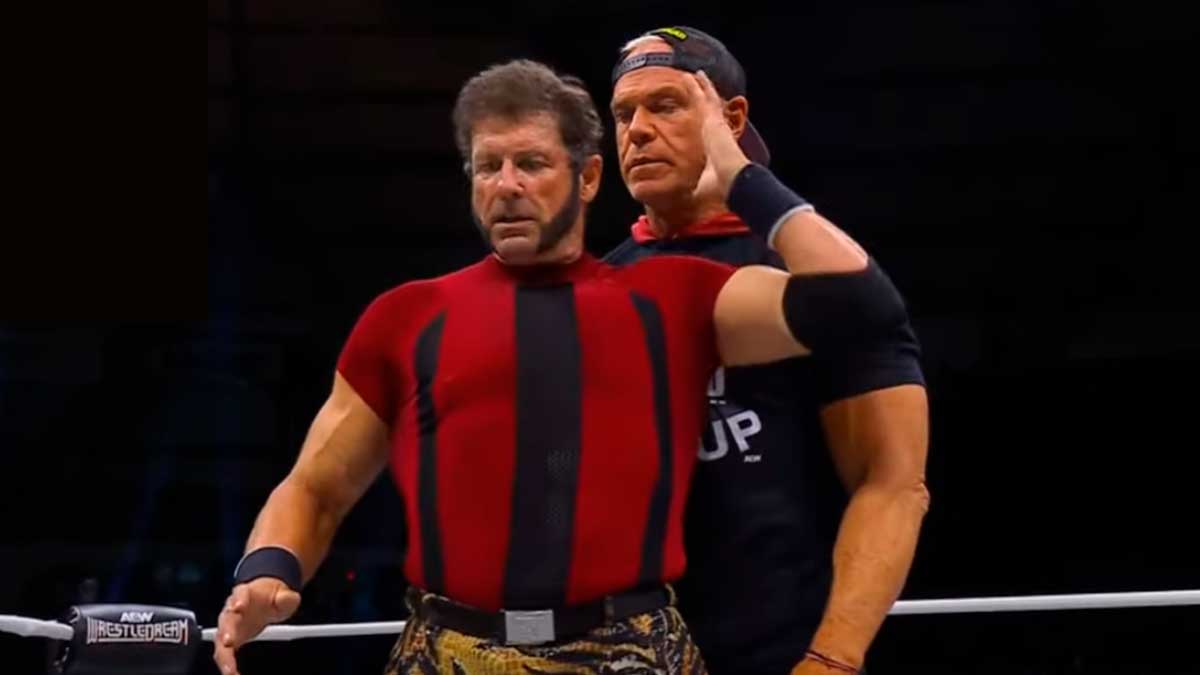
It is jarring to think about this story as we approach AEW Double or Nothing on May 24, 2026. This upcoming pay-per-view isn't just another show. It's a glaring reminder of the massive options available to modern talent. Look at the roster Tony Khan has assembled for Las Vegas. Men and women who would have been pigeonholed as comedy acts in 2004 are now commanding significant guaranteed money and controlling their own narratives.
However, this new freedom comes with its own set of distinct problems. While no one misses the dictatorial control of the McMahon era, the modern environment often features bloated rosters where highly paid midcarders sit in catering for weeks. Tony Khan is handing out massive contracts, but he frequently struggles to book his massive talent pool effectively. Rico would have definitely gotten paid in AEW, but he might have struggled to get the consistent television time he enjoyed on SmackDown.
Still, a midcard act getting over organically today has actual options. They hire real agents. They let their contracts expire. If WWE offers a lowball extension, they take a meeting with Tony Khan. They parlay their popularity into massive financial gains.
Look at the current free-agency environment. Talent moves back and forth between major promotions constantly. The paralyzing fear that defined the WWE locker room in 2004 is entirely gone. Wrestlers know their worth, and they know the market will bear it.
Rico Constantino was simply born twenty years too early. If he were doing the exact same character work today, getting the exact same crowd reactions, he would be making an absolute fortune. A bidding war would erupt over his services.
Instead, he was a victim of timing. He poured his heart into a demanding, physical business, got over with the fans, and was punished for asking for a fair piece of the pie. It is a depressing reminder of wrestling's dark ages.
McMahon's brutal tactic worked for a long time. He kept payroll down by keeping the talent terrified of losing their spots. But that era is completely dead, and the boys finally hold the cards.
The upcoming salary war
Here is exactly what is going to happen next. The pendulum is swinging so far in the other direction that WWE and AEW are both going to face a massive financial reckoning regarding midcard salaries.
Within the next 12 months, a prominent midcard talent is going to publicly reject a renewal offer from WWE. It won't be a main eventer. It will be a solid, dependable TV act. They are going to walk into Triple H's office, ask for a massive raise, and when they don't get it, they will immediately sign a huge deal with AEW. This single move will establish a brand-new salary floor for midcard talent across the industry. The days of underpaying the supporting cast are officially over. The billionaires are going to have to open their wallets even wider.
Read Next
- ROH is stuck in a loop of squash matches and missed opportunities
- Iyo Sky secretly married EVIL and WWE needs to keep them strictly apart on TV
- Blake Monroe is the perfect chaos agent for WWE's Spanish tour
- Will Ospreay To WWE? The Anatomy of a Megaton Rumour
- 🎲 AEW Double or Nothing 2026 — Full Coverage Hub