The politics behind the powerbombs
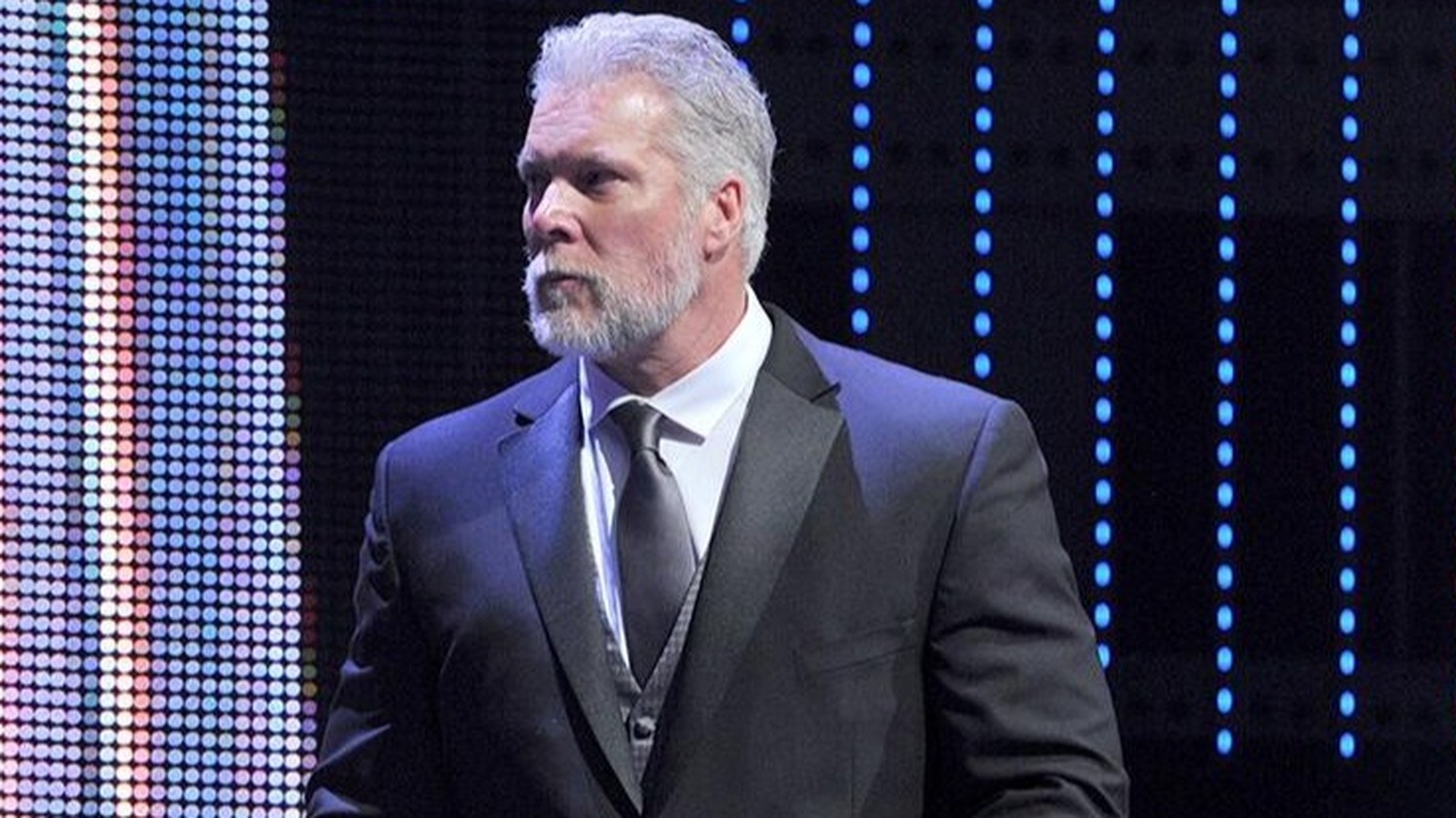
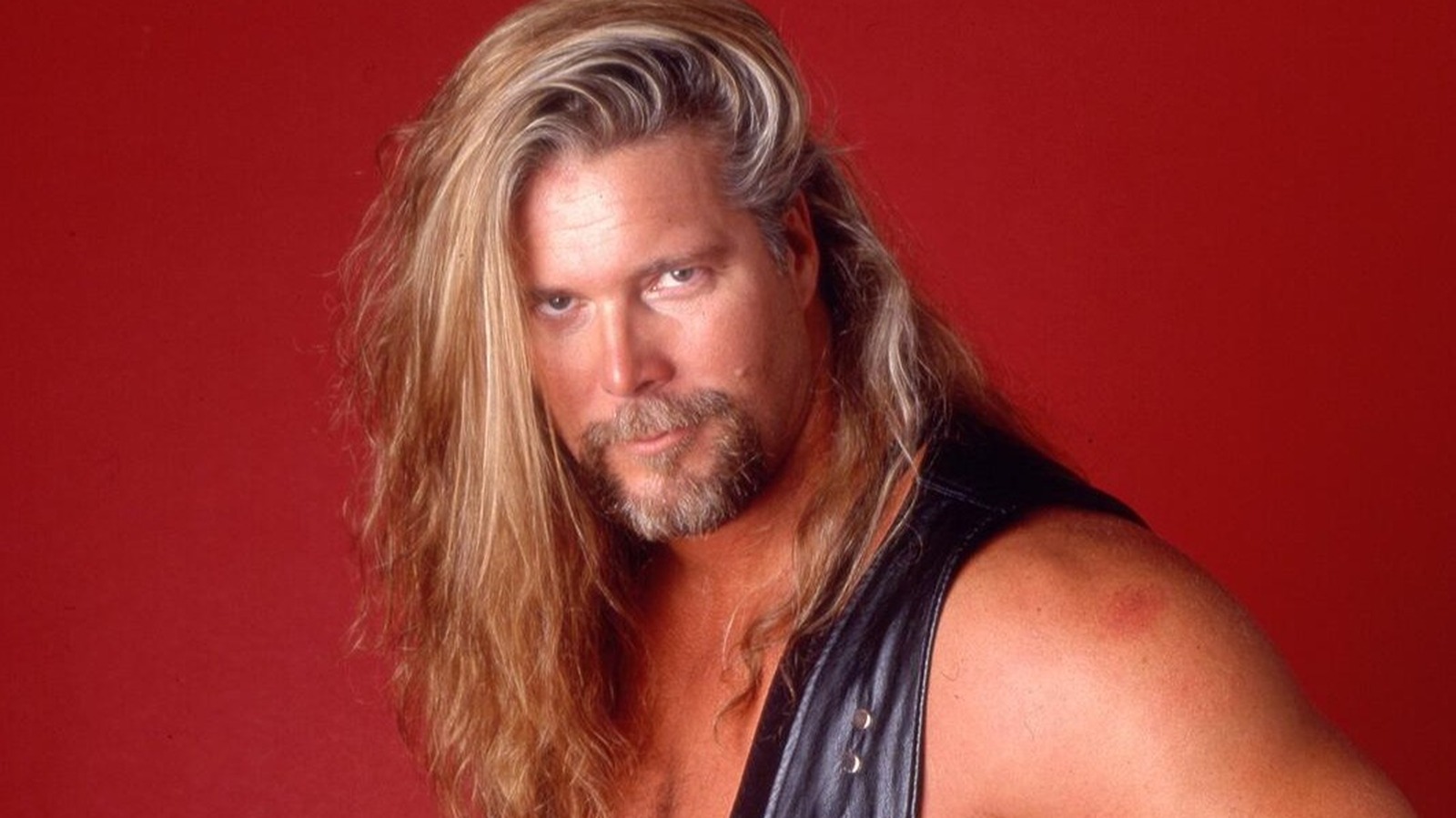
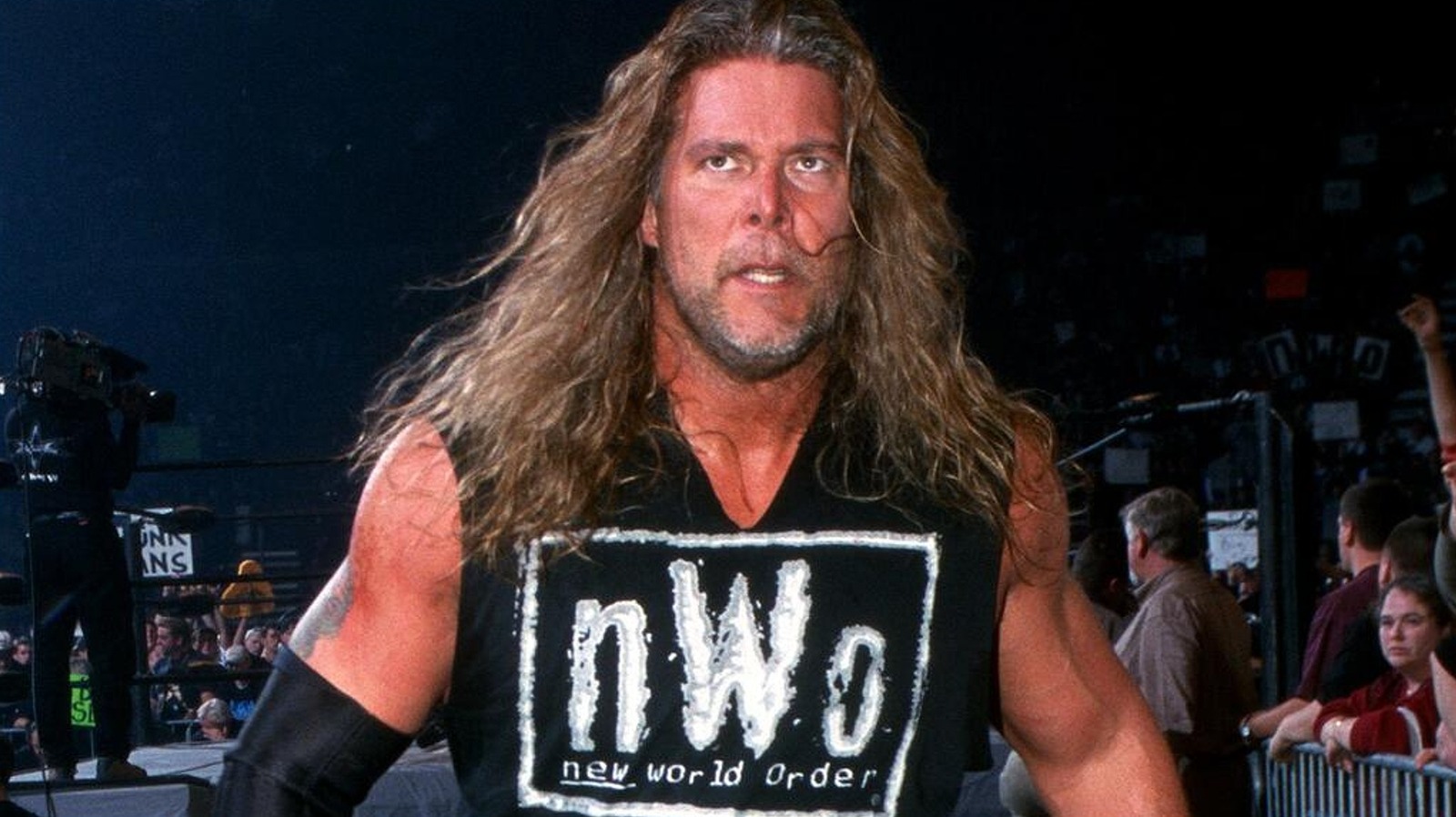
Kevin Nash dominated the nineties by leaning into the persona of the untouchable giant. Between his run as Diesel in WWE and the formation of the nWo in WCW, he projected an aura of complete professional security. Many fans still view him through the lens of a ring general who prioritized his own top-spot positioning above all else.
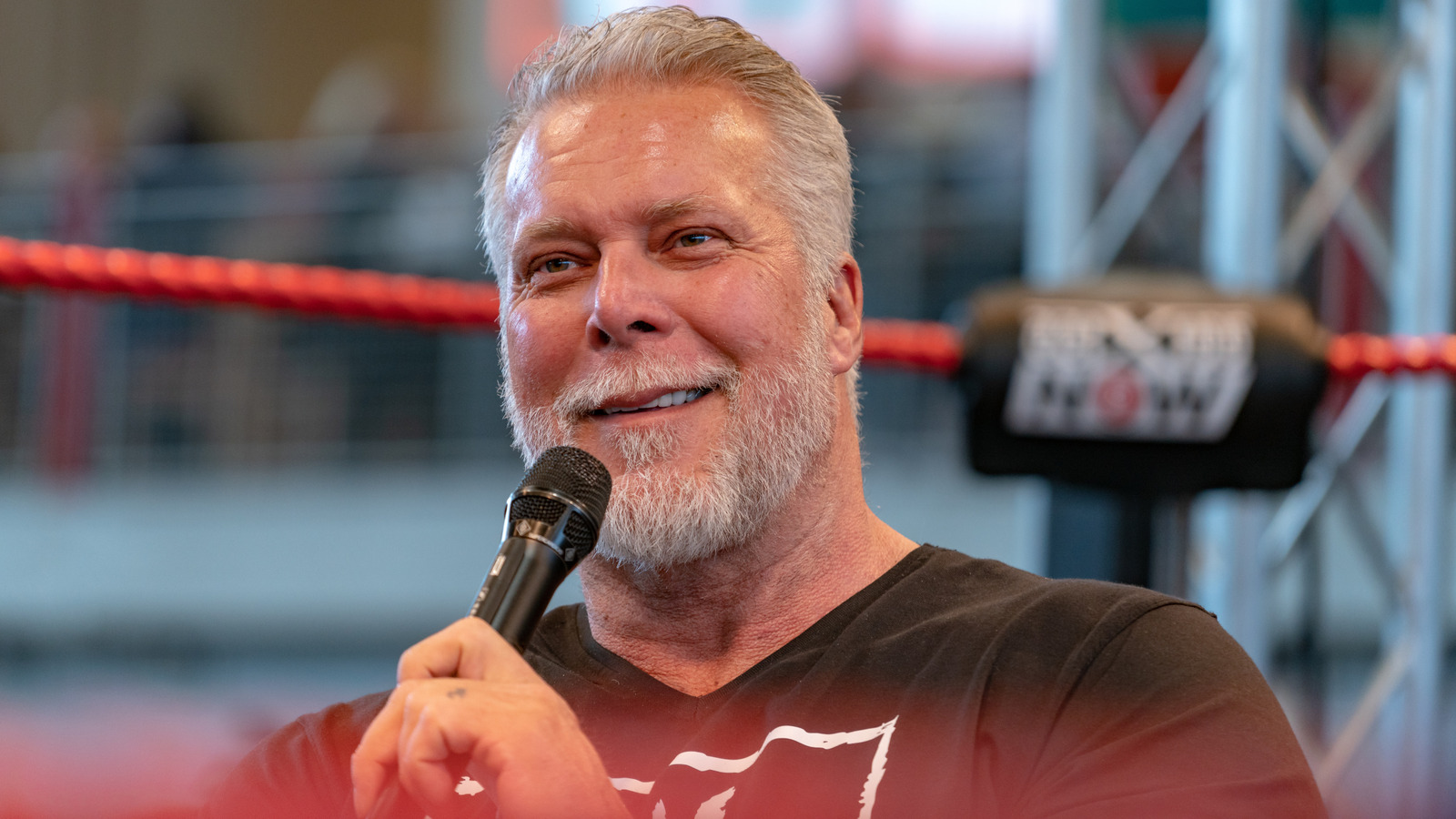
However, focusing exclusively on the Jackknife Powerbomb fails to capture the full scope of his career. As noted in a recent report from Wrestling Inc, the Hall of Famer remains surprisingly reflective about his influence on the locker room. He speaks less about the gold around his waist and more about the financial security he helped secure for those who shared the ring with him.
Setting the standard for talent compensation
Nash claims that his greatest contribution was not a particular match structure or an iconic angle, but rather the internal policies he challenged. He helped steer the industry toward a structure where talent retained more of what they earned. In an era when promoters held absolute leverage over performers, this shift was significant.
The critique of Nash has always been his alleged gatekeeping during his peak booking power. Critics point to WCW in 1999 as a messy, disorganized disaster where his influence was perhaps too heavy. Yet, if his primary motivation truly was the long-term financial health of the roster, his legacy holds a different weight than the common narrative of ego-driven decision-making.
Defining personal success in a volatile industry
Wrestling history is littered with stars who burned out or ended up destitute after decades of high-impact labor. Nash navigated a path that allowed him to walk away with both his health and his bank account intact. That is a rare trick for someone who spent the bulk of their career as a featured player.
Whether you agree with his booking philosophies or not, the impact of his influence on professional wrestling contracts is undeniable. He changed the math of the business. By forcing organizations to pay for their draws, he inadvertently paved the road for those who followed him to prioritize their own futures. Perhaps the most important move he ever made took place in the office, not under the lights.