The diminishing returns of the face paint
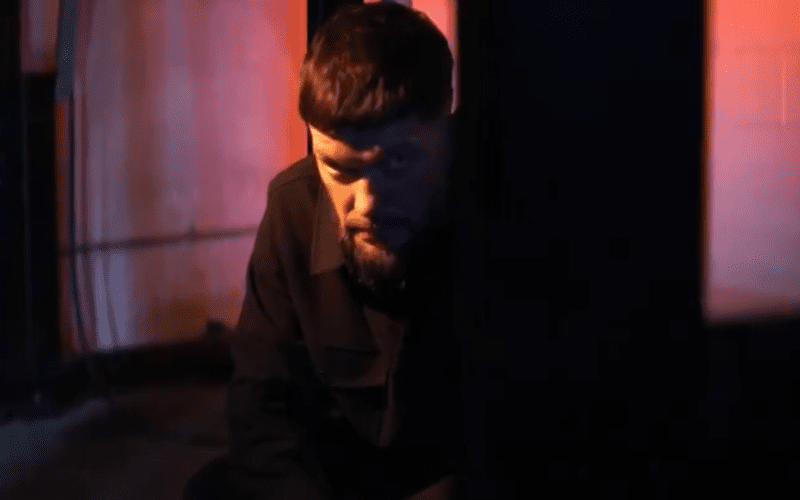
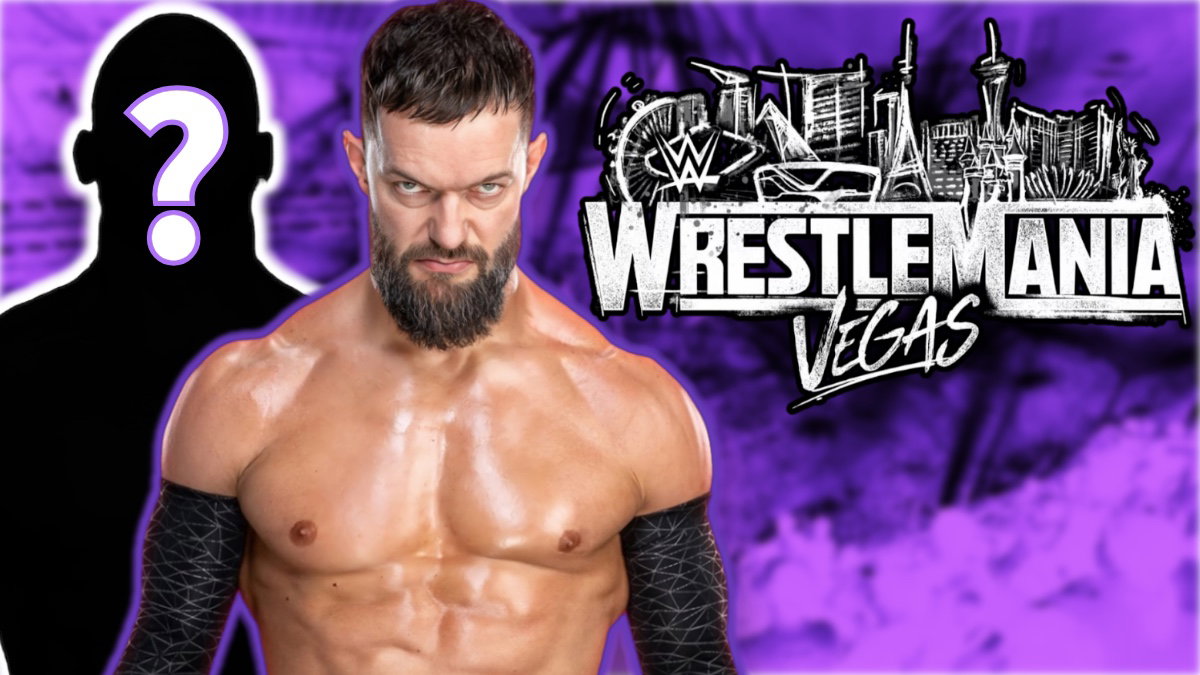
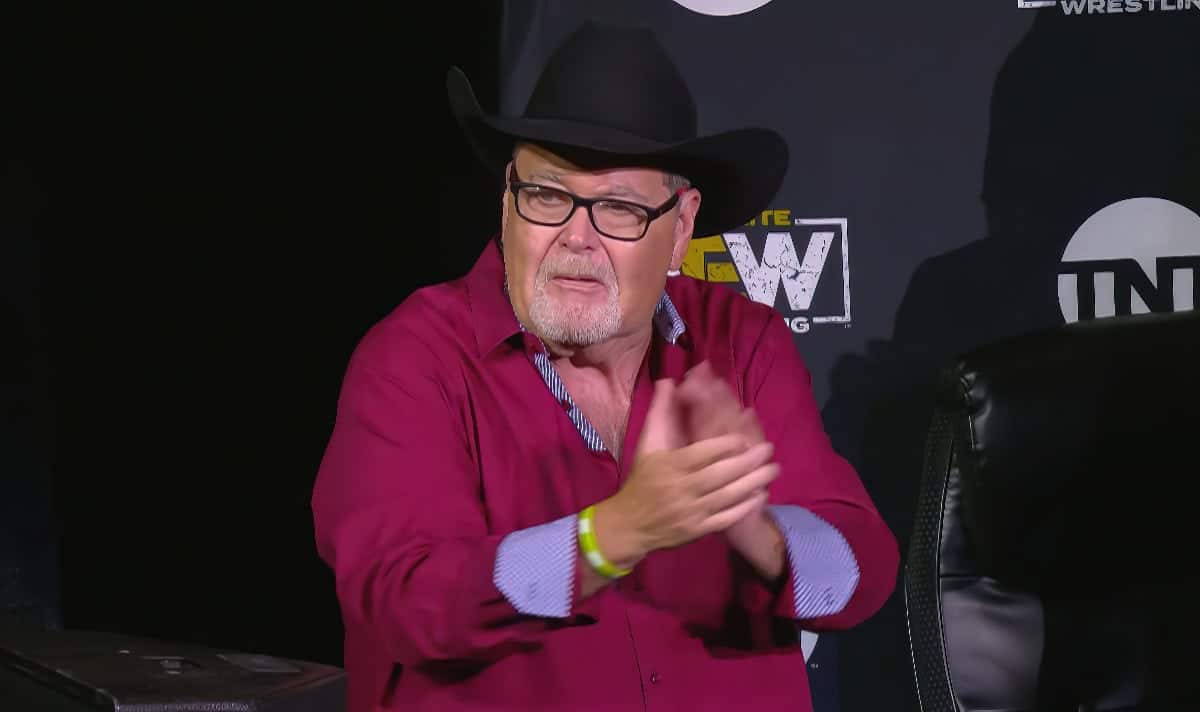
Jim Ross recently weighed in on Finn Balor's Demon persona. The Hall of Fame announcer stated plainly that the character needs to be used sparingly. It sounds like classic old-school booking philosophy. Protect the gimmick. Do not give it away for free. But looking at the actual match data, Ross is not just relying on gut feeling. The numbers back his assessment entirely.
When you track the Demon's usage since its NXT inception, a clear pattern emerges. The character's win probability and crowd reaction metrics inversely correlate with its appearance frequency. The more we see the paint, the less we care.
Let us break down the timeline. Between 2014 and 2016 in NXT, the Demon appeared roughly once every six months. It was a genuine event. It yielded a perfect 14-0 record during that initial developmental run. That streak culminated in the WWE Universal Championship victory over Seth Rollins at SummerSlam 2016. The aura was bulletproof. Balor hit the Coup de Grace, won the title, and the character looked unstoppable.
Fast forward to the main roster run. WWE operates on a brutal content cycle. They produce five hours of live television a week and a monthly premium live event. The demand for special moments is relentless. Consequently, management began deploying the paint for B-level pay-per-views.
They rolled it out for TLC 2017 against AJ Styles. They brought it back to squash Baron Corbin in three minutes at SummerSlam 2018. That was a waste of equity. You do not burn your best drawing card on a midcard comedy feud just to pop a live crowd.
Then came Extreme Rules 2021 against Roman Reigns. That match remains one of the most heavily criticised booking decisions of the decade. It was not just a loss. It was a mechanical failure. The top rope breaking beneath Balor stripped all supernatural equity from the character. He flopped to the mat, took a spear, and lost. The Demon went from an invincible alter-ego to a guy who got beaten by faulty ring construction.
By the time the Demon lost to Edge inside Hell in a Cell at WrestleMania 39, the mystique was entirely gone. Edge hit him with a con-chair-to and pinned him clean. The character had been reduced to just another outfit.
Ross understands the math of special attractions. If a gimmick is wheeled out twice a year, the merchandise bump and ticket sales justify the production cost. When it appears frequently, the returns diminish sharply. The Demon requires a four-minute entrance, custom lighting, and specific camera blocking. If you burn that production budget on a meaningless feud, you devalue the asset.
The financial reality of the union debate
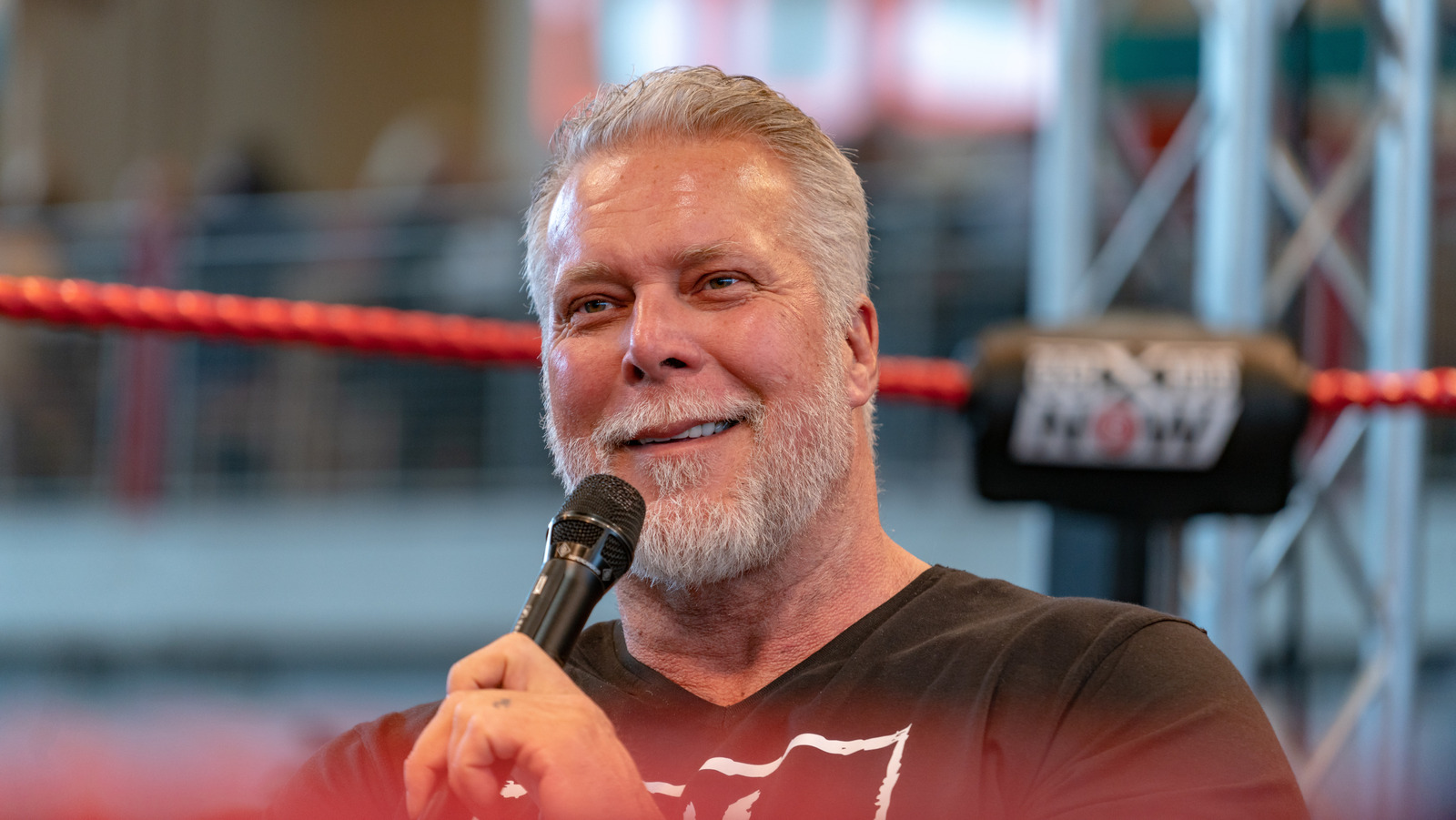
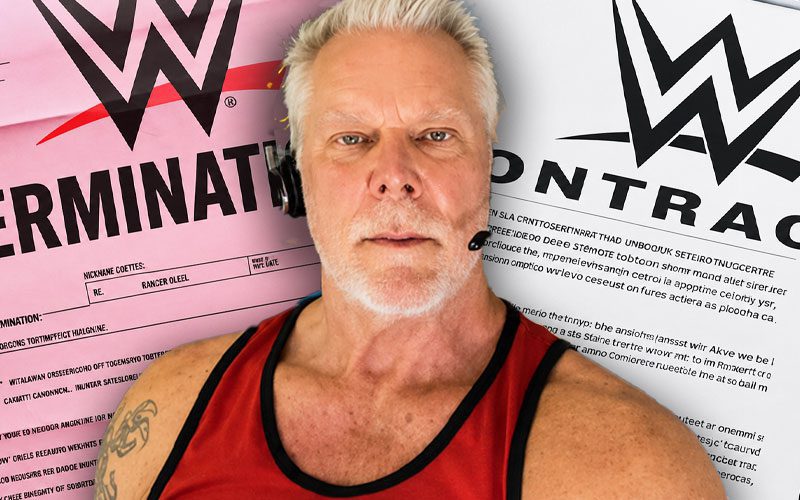
Ross also touched on another heavily debated topic this week, addressing Kevin Nash's recent comments regarding a wrestling union.
"You can't hurt yourself by listening to Kevin Nash about a wrestling union,"Ross noted.
This is where the financial data becomes impossible to ignore. In major North American sports, players operate under Collective Bargaining Agreements. The NFL, NBA, and NHL guarantee their athletes roughly an even revenue split. The players take home nearly 50% of every dollar generated by television rights, ticket sales, and merchandise.
Professional wrestling operates in a completely different financial universe. Historically, talent compensation has hovered around the 8% to 10% mark of total company revenue. WWE posts record-breaking quarterly profits. They secure multi-billion dollar rights deals with networks and streaming platforms. As those television rights fees explode, the gap between company profit and talent pay becomes a chasm.
Let us look at the TKO Group Holdings financials. WWE and UFC merged into a single publicly traded behemoth. In 2023, WWE generated over $1.3 billion in revenue. If they operated under an NBA-style CBA, the talent pool would split roughly $650 million.
Instead, the talent payroll is estimated to be a fraction of that. The independent contractor classification means wrestlers cover their own rental cars, hotel rooms, and road food. A midcard talent making $250,000 a year might spend $70,000 on travel and taxes before they even see a dime.
To understand the scale of the disparity, look at the National Football League. In 2023, the NFL salary cap was set at roughly $224.8 million per team. That number is directly tied to league revenues, ensuring players benefit proportionally from every new broadcasting agreement and sponsorship deal. If the NFL signs a new streaming package, the players' share automatically adjusts upward.
Wrestlers have no such mechanism. When WWE signed a $1.4 billion deal for SmackDown on the USA Network, the baseline pay for a midcard wrestler did not move a single cent. The profits are entirely captured by the corporate ownership group and the shareholders. Nash has pointed out this structural flaw repeatedly. He knows that without collective bargaining, talent will always be fighting for scraps off the table while the executives cut the actual pie.
Nash understands the bargaining power talent currently lacks. He helped change the financial structure of the business in 1996 when he jumped to WCW alongside Scott Hall. They secured guaranteed, downside-protected contracts. It forced Vince McMahon to abandon the old model and start offering guarantees to keep his roster from fleeing south.
But guaranteed money is not a union. A union guarantees a seat at the table for media rights negotiations. When Netflix signs a $5 billion deal to air Raw over ten years, a union ensures the talent sees a percentage of that specific windfall. Currently, the talent relies entirely on the goodwill of management to bump their downside guarantees during contract renewals.
Ross acknowledging Nash's union point is highly significant. It comes from a man who spent decades as the Executive Vice President of Talent Relations. Ross negotiated those exact independent contractor deals. He knows the medical costs, the travel expenses, and the lack of a pension plan better than anyone. When a former company executive quietly nods along with union talk, it suggests the financial disparity has reached an unsustainable level.
Strategic deployment at Double or Nothing
The timing of these comments ties into Ross's own current schedule. He confirmed his broadcast status for AEW Double or Nothing on May 24. His role in AEW has shifted dramatically over the past two years.
Once the lead play-by-play voice for three hours of television every week, Ross is now deployed surgically. He comes in for the main events. He sits at the desk to call the final two or three big matches.
This is the exact same philosophy he advocates for the Demon. You protect the asset. A Jim Ross call means something when you only hear it once a month. If he calls a meaningless midcard match on Rampage, his voice loses its big-fight feel.
AEW Double or Nothing is historically the promotion's most important event. It was their inaugural show in 2019. The 2026 edition carries immense weight. The ticket sales at the MGM Grand Garden Arena are a key metric for Warner Bros. Discovery. Having Ross call the main event provides a subconscious signal to the audience that the match carries historical significance.
It is a sharp contrast to WWE's current commentary strategy, which relies on a rotating cast of voices who are heavily produced through their headsets. Ross operates differently. He reacts to the action in the ring rather than reciting pre-written corporate talking points. But that reactive style requires energy. It requires genuine emotional investment. By limiting his appearances, AEW ensures that when Ross does speak, he actually has something to say.
Tony Khan has figured out the optimal deployment strategy for a 72-year-old broadcasting legend. You save him for the pay-per-views. You let him call the bloody brawls and the world title matches. The May 24 event in Las Vegas represents a critical juncture for AEW. The promotion is currently negotiating its own media rights renewal with Warner Bros. Discovery.
Every pay-per-view buy, every ticket sold, and every television rating is being scrutinised by network executives. In this environment, every piece of the presentation matters. Ross calling the main event adds an unquantifiable layer of legitimacy. He has called more million-buy pay-per-views than any announcer in history.
His vocal cords are tied to the biggest financial peaks of the industry. When he sits down, the audience is conditioned to believe they are watching something important. The metrics of viewer engagement show that audiences tune out commentary when it lacks energy. By reducing his workload, AEW has essentially increased his impact per minute.
The connective tissue between all of Ross's comments this week is simple supply and demand. Whether it is a supernatural wrestling character, a television announcer, or the talent roster's share of television revenue, scarcity creates value.
When you overexpose the Demon, it loses its power. When you overuse a legendary announcer, the voice becomes background noise. And when you deny independent contractors a fair share of record profits, they eventually start listening to Kevin Nash.
Read Next
- Jim Ross backs Kevin Nash on unions ahead of Double or Nothing return
- The New Day are free agents and Double or Nothing is the only logical move
- Finn Balor is the accidental king of WWE's mid-match improvisation
- Finn Balor thinks you are wrong about his 24-hour Universal Title reign
- 🎲 AEW Double or Nothing 2026 — Full Coverage Hub