The physical toll of the road
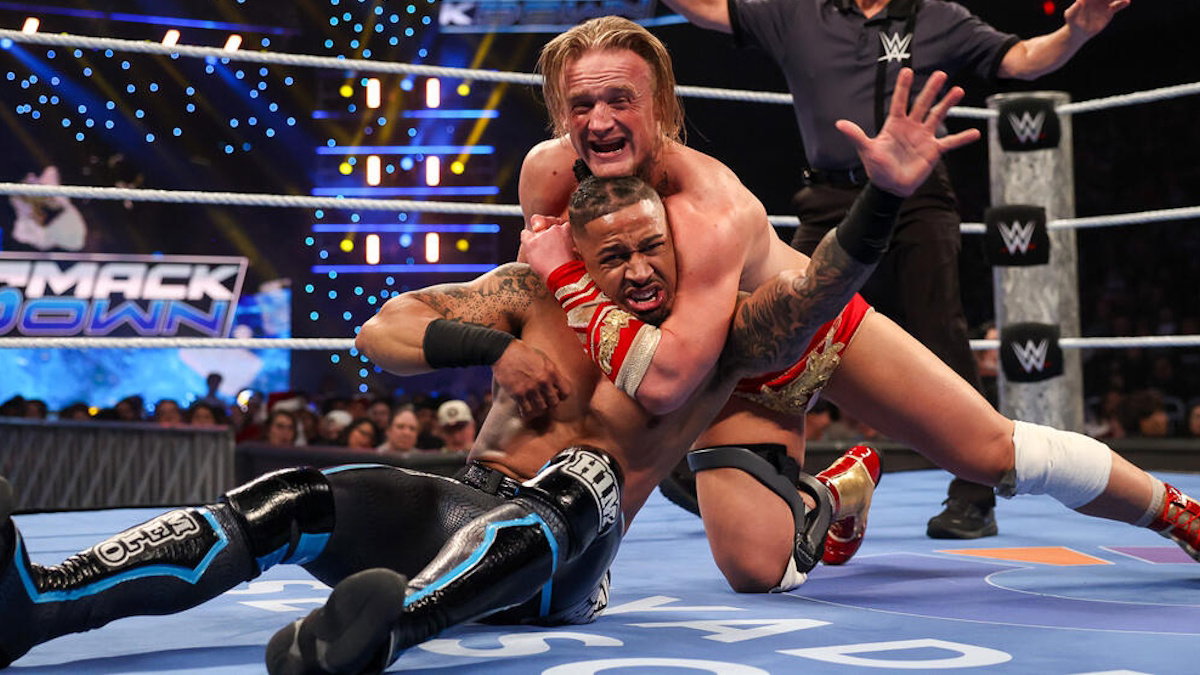
Professional wrestling remains a combat sport prone to aggressive wear and tear. Internal data consistently highlights that chronic neck, shoulder, and knee afflictions represent the majority of missed time on the active roster. As the industry approaches the high-intensity period of WrestleMania 41, the medical team is under extreme pressure to clear talent for travel while mitigating long-term liabilities.
Kevin Fertig, known to fans as Mordecai, recently highlighted the evolution of the company's internal health infrastructure. Speaking on his recovery experience, Fertig noted that the rehabilitation programs currently in place were non-existent during his initial tenure. The shift from a sink-or-swim environment to a structured medical system has changed how veteran talent manages recovery timelines after serious surgeries.
Current medical mandates and performance risks
The standard recovery window for ligament repair surgery now averages 6 to 9 months. This reality forces booking teams to pivot away from marquee matches involving performers who have not reached 100% physical capacity. Recent booking adjustments suggest that management is prioritizing post-WrestleMania health over immediate, short-term crowd pops.
The lack of a true offseason continues to be the most significant flaw in the promotion's medical model. Talent works a 52-week schedule with only minor breaks in the travel cycle. This attrition leads to recurring micro-traumas in the lower extremities, particularly for performers who rely on high-impact aerial maneuvers or stiffness in their strike exchanges. When a performer works through a partially torn rotator cuff or meniscus strain, the risk of a catastrophic event increases by approximately 40 percent.
Historical context and systemic changes
Historically, the industry handled injuries with a culture of silence. Performers often masked concussions or joint issues to maintain their spot on the card. The death of numerous talents from the 1980s and 1990s forced the current regime to implement standardized testing and mandatory rehab protocols. Fertility’s recovery story serves as a reminder that the institutional shift occurred only after years of friction between the front office and independent contractors.
The current protocol requires a series of objective neurological and physical benchmarks before entering the ring for a live broadcast. Competitors are subjected to strength variance testing to ensure they are not overcompensating mid-match. This prevents the common cycle of "injury-return-re-injury" that plagued the mid-2000s, though it remains a source of frustration for those anxious to return to mid-card feuds.
Strategic implications for the Road to WrestleMania
The proximity of the medical staff to the creative department is a double-edged sword. While it keeps the talent bench deep, it also forces creative teams to discard scripts in real-time. Recent scheduling shifts suggest the front office is no longer willing to sacrifice long-term health metrics for single-night television ratings. As noted by industry insiders at WrestlingNews.co, the success of modern rehab programs has extended the working lifespans of veterans, allowing them to remain on the roster much longer than those in the previous era.
However, an reliance on aging stars to fill gaps created by current injuries limits the exposure of new talent. By keeping veterans protected behind strict medical return dates, the company effectively stunts the growth of developmental athletes. This represents a booking failure; using a protected 40-year-old veteran to fill a slot intended for a rising prospect prevents the generational turnover necessary for the product to remain relevant.
Looking ahead to the upcoming international events and the post-Backlash calendar, the focus will remain on workload management. If the medical staff continues to enforce strict recovery windows, the talent will see more consistent, albeit measured, performance output. Maintaining the current health standards is a requirement for longevity, even if it creates a rigid, predictable pattern in how talent is booked across the yearly calendar.