The cost of the Saudi gold rush
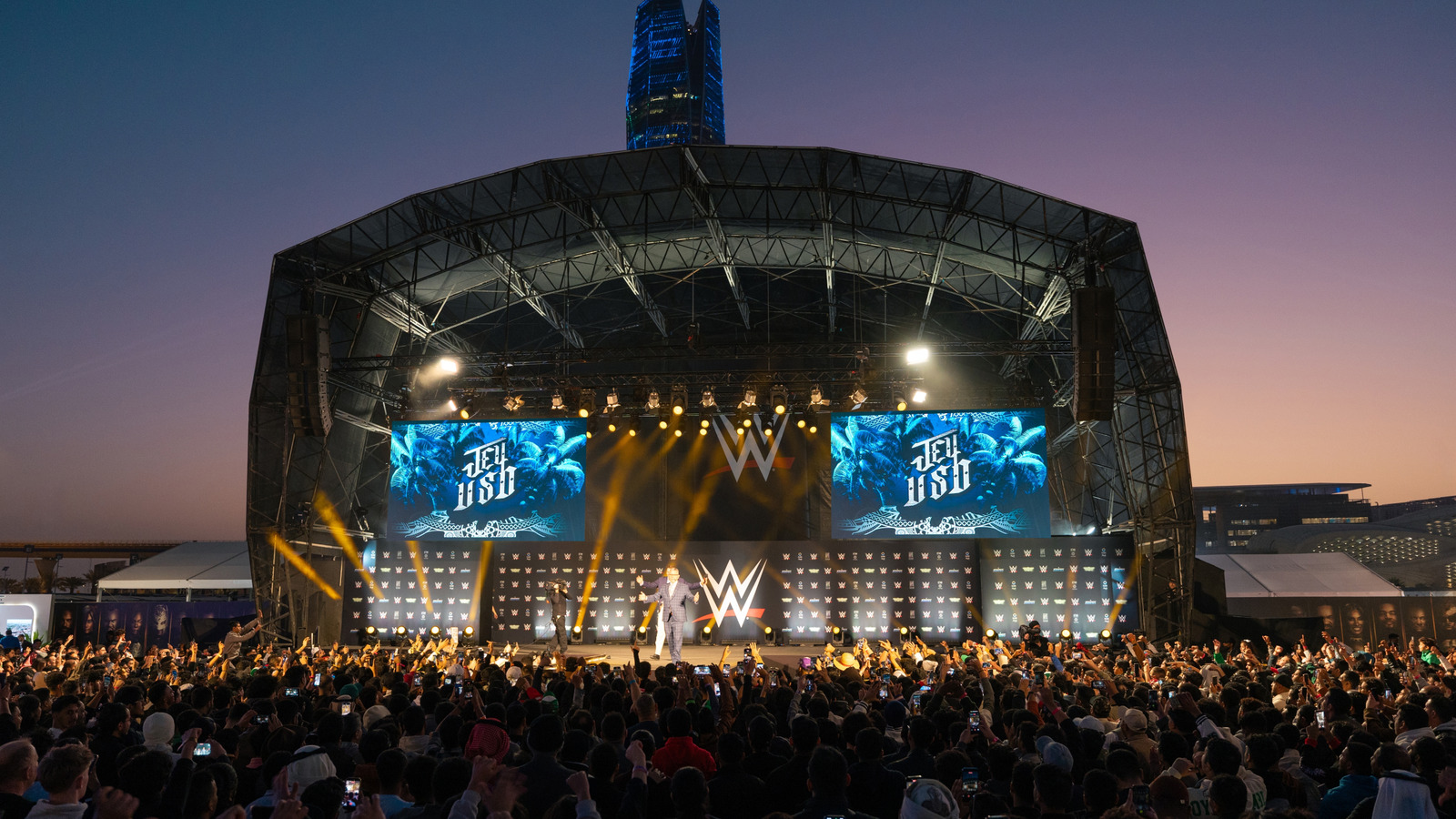
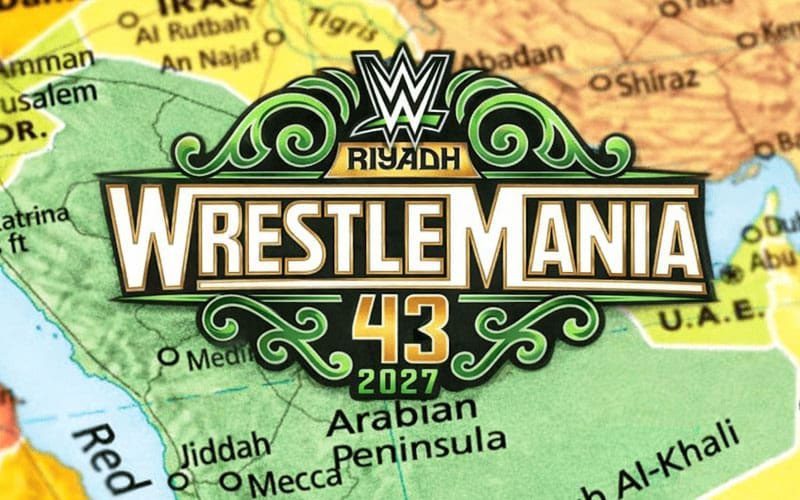
The financial ledger of the modern WWE is dominated by its long-term partnership with Saudi Arabia. On paper, it represents a windfall that changed the company's valuation trajectory overnight. Every major premium live event staged in the kingdom brings in massive capital inflows that appease shareholders and keep revenue streams flowing regardless of domestic ticket sales.
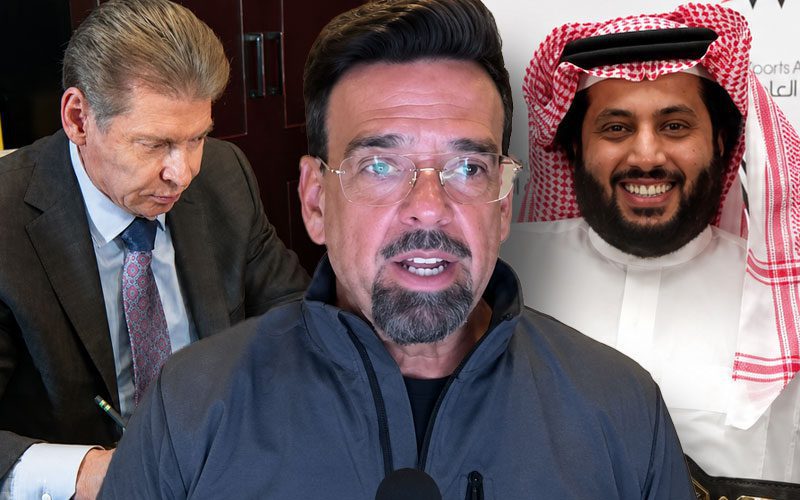
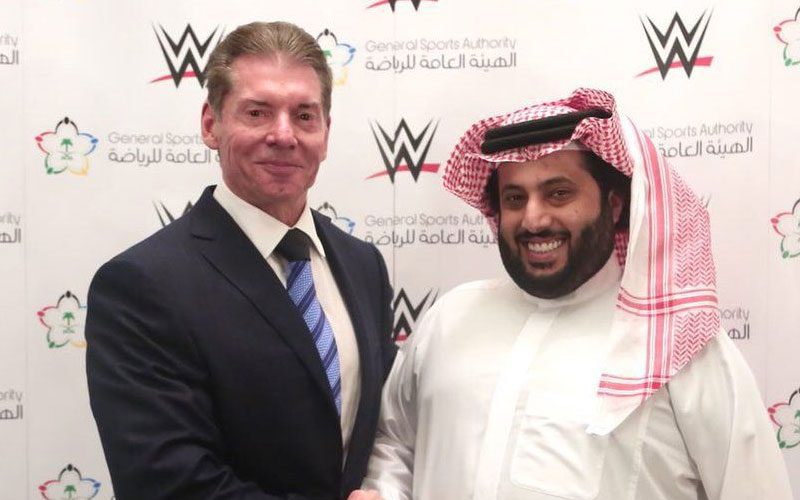
Yet, recent reports reinforce that these checks come with institutional baggage. As Ringside News noted, former president figures have surfaced to highlight that even Vince McMahon harbored private doubts about the venture. The primary concern wasn't just logistical; it centered on the reputational exposure occurring whenever the geopolitical situation in the region destabilizes.
The shadow of external volatility
When the deal was first inked, the primary draw was the $50 million plus per show fee. That number is impossible to ignore in an era where television rights negotiations have become increasingly combative. Executives prioritize the guarantee, but the trade-off is a product that often feels detached from the core weekly television narrative.
We see the symptoms in the booking. Mid-card feuds are frequently paused to accommodate a spectacle featuring returning legends or title matches that have little momentum. The crowd in Jeddah is energetic, but the disconnect between their viewing habits and the monthly output in the United States creates a disjointed rhythm for the viewers at home.
The hidden risk of the booking board
Beyond the financial success, there is a legitimate question about the creative ceiling. Since the shows are mandated by a long-term contract, the writers struggle to build meaningful stakes that extend past the final pinfall. These shows often feel like isolated exhibitions rather than chapters in a longer story.
This creates a scenario where the main event talent is essentially handcuffed. They are tasked with performing high-stakes bouts at the same intensity level as their domestic counterparts, yet the narrative payoff rarely influences the subsequent Monday Night Raw or Friday Night SmackDown broadcasts. It renders these matches effectively static.
The inevitable reckoning
Management treats the Saudi residency as a permanent feature of their growth strategy. They view the 10-year agreement as a baseline for fiscal stability that other promotions simply cannot match. However, the reliance on one massive source of income remains a strategic vulnerability.
My prediction? We are headed toward a breaking point where the quality of the weekly shows will suffer because the creative team is spread too thin trying to format these international spectacles. The decision to prioritize this revenue stream over long-form storytelling is a short-sighted gamble that will eventually alienate the hardcore fans who keep the domestic pulse alive.
They will continue to chase the money, but the cost will be paid in the diminishing returns of fan engagement. Expect to see more matches announced solely to fill a card, lacking any legitimate heat, while the company maintains the facade that this is business as usual.
Read Next
- Mick Foley is officially AEW-bound and taking shots at WWE's midcard
- Mick Foley’s AEW critique highlights the promotion’s biggest midcard test
- Danny Davis is the only one in the business defending Vince McMahon right now
- El Grande Americano faces a long road following brutal mask vs. mask fallout
- 👑 King and Queen of the Ring 2026 — Full Coverage Hub