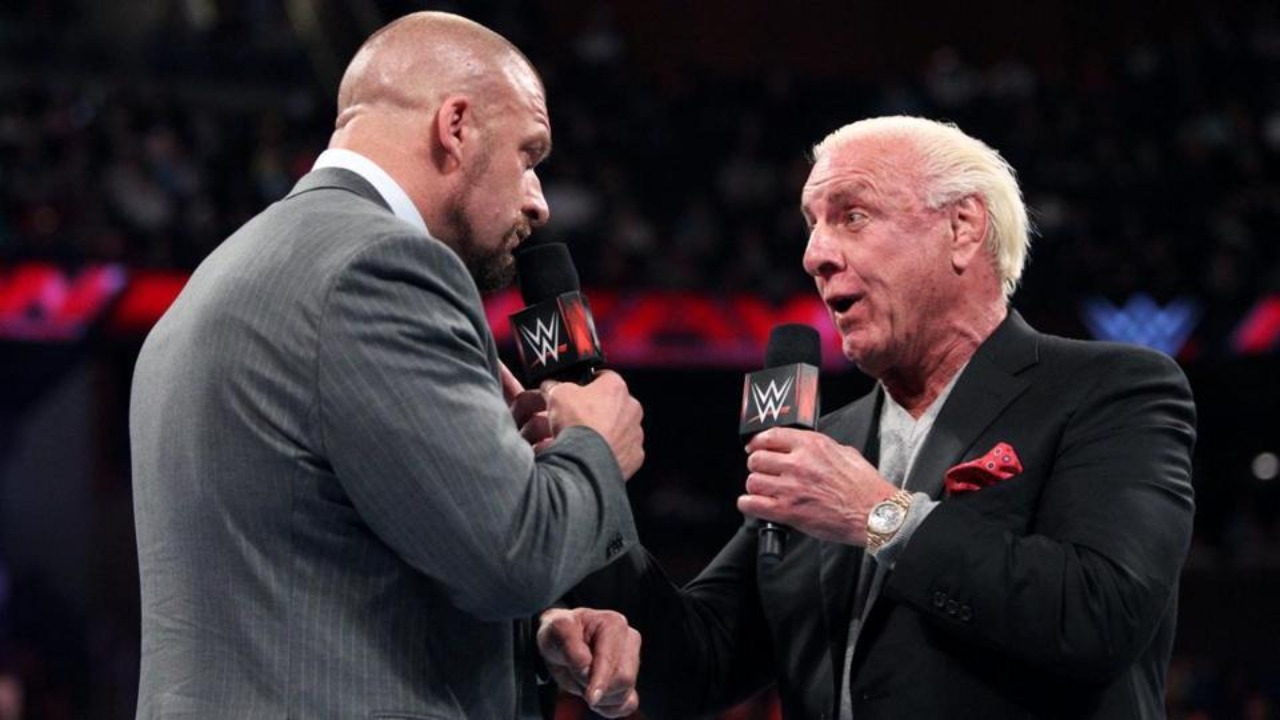
Ric Flair’s revisionist history ignores the modern product
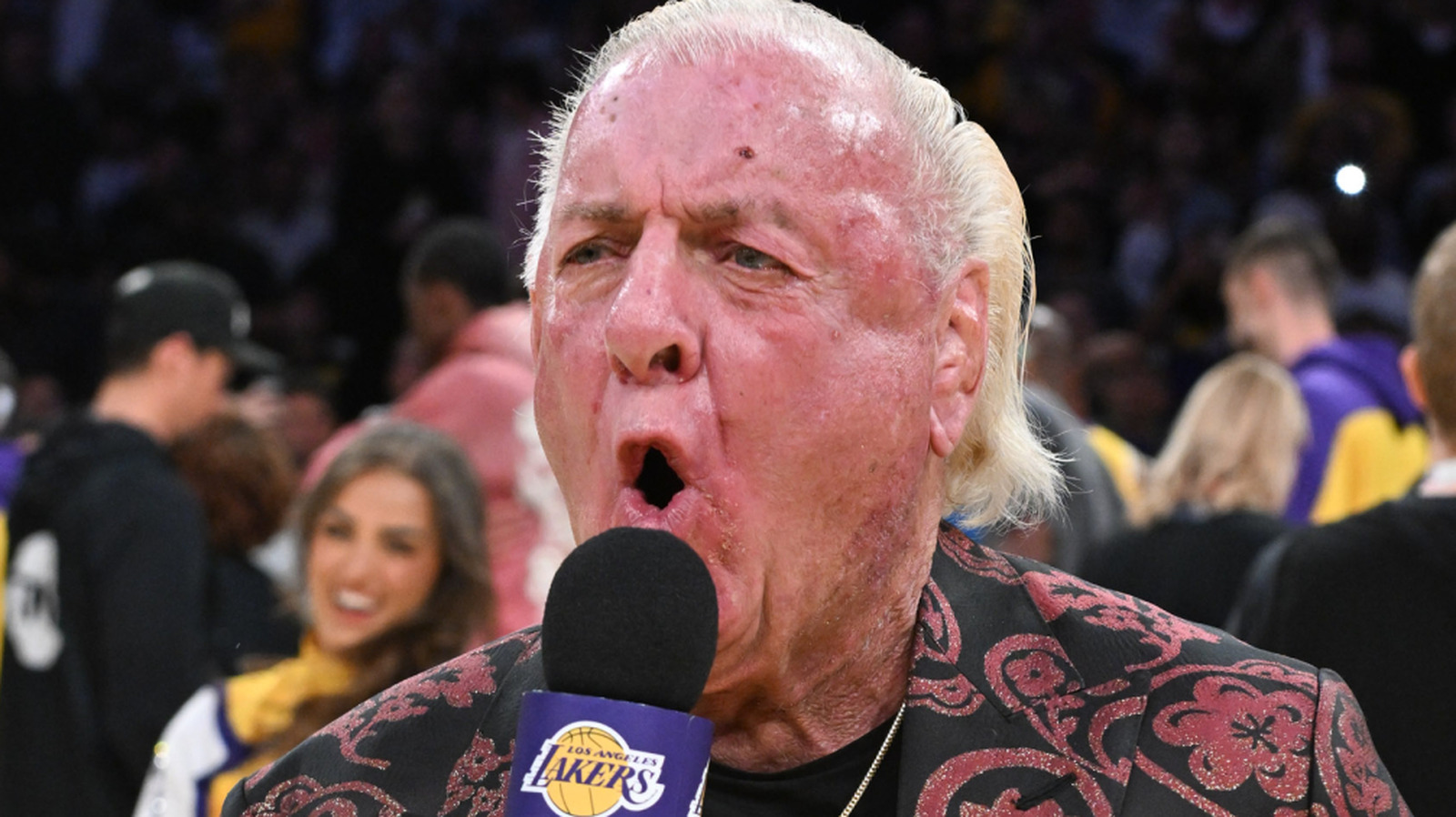
The debt that obscures the view
Ric Flair’s recent comments regarding Vince McMahon deserve a level of scrutiny that goes beyond blind loyalty. In a conversation with Ariel Helwani, Flair stated that fans should be thanking the former WWE CEO for the industry as it exists today. It is a sentiment rooted in a $800,000 personal loan that saved Flair from a dire financial position. While personal gratitude is understandable, it should not dictate how we analyze the business model or the current direction of professional wrestling.
Subjective experience often clouds objective critique. Flair has spent his professional life tethered to the McMahon structure, benefiting from the specific machine that Vince built. However, the fan experience on April 22, 2026, is fundamentally different from the 1980s expansion era. Fans are no longer just passive consumers of content; they are vocal participants in a dialogue that often pits creative quality against corporate bottom lines.
The cost of historical loyalty
As Wrestling Inc reported, Flair’s perspective is inherently narrow. He views the wrestling industry through the lens of a direct benefactor, ignoring the thousands of performers who did not receive such financial lifelines. If the industry were purely about longevity, Flair’s argument might hold weight. But the modern fan values consistency, storytelling, and the treatment of talent, areas where the McMahon era frequently stumbled.
We have to address the disconnect here. Flair is essentially asking the audience to ignore decades of booking controversies and the ruthless consolidation of the market because one individual provided him with a safety net. This is a classic false equivalence. The health of an industry is not measured by the personal generosity of its wealthiest figurehead, but by the safety, creativity, and career viability provided to the bottom ninety percent of the roster.
Looking forward after the McMahon era
The industry is moving past the reliance on a single, all-powerful promoter. With major events like Backlash on May 9, 2026, on the immediate horizon, the focus has shifted entirely to the product delivered inside the squared circle. The narrative is no longer about who built the house, but who is currently inhabiting it. Fans are rightfully concerned with match quality and narrative stakes rather than legacy canonization.
There is also a glaring lack of accountability in Flair’s public stance. By suggesting fans owe a debt of gratitude, he essentially attempts to shield McMahon from the criticism that fans use to hold the product to a higher standard. True appreciation for the history of the sport does not require silence regarding its historical flaws. Flair may be ready to look backward, but the audience at this stage is firmly fixed on the next generation of performers, who are operating in a landscape that has largely evolved beyond the tactics of the past.
WWE Undisputed Championship Mini Replica Title
A 12-inch heavy metal replica of the current top prize in WWE.
Frequently Asked Questions
Why did Ric Flair suggest fans should thank Vince McMahon?
How does personal gratitude affect Flair's view of WWE?
What separates modern wrestling fans from those in the 1980s?
How does the industry measure health beyond personal generosity?
What is the current focus of the wrestling audience?
More Coverage

When influencers overstep: The Penta mask incident and WWE’s standards
57 minutes ago
Why the N3on incident proves WWE needs tighter security at events
58 minutes ago
NJPW G1 Climax 36 is already pushing bodies to the brink
58 minutes ago
Injury report update: Assessing the status of top WWE talent
an hour ago
Jacob Fatu vs LA Knight is the chaotic energy Raw needed
an hour ago
WWE mid-card booking is suffering from a lack of long-term vision
an hour agoMore Analysis
Ric Flair is turning his own legacy into a work
2 months, 4 weeks ago
Ric Flair is finished listening to his critics
1 month, 2 weeks ago
Ric Flair is turning his media tour into a car crash
2 months, 4 weeks ago
Cody Rhodes and Ric Flair are living in different centuries
2 months, 3 weeks ago
Ric Flair’s obsession with Roman Reigns proves he still can’t walk away
3 months ago