The nature of the flare-up
Ric Flair is currently navigating a chaotic media cycle largely of his own making, moving from bizarre personal anecdotes to unsolicited creative pitches for WWE. While not a physical injury in the ring, the veteran is currently suffering from a self-inflicted PR crisis that has drawn sharp rebukes from across the wrestling industry. His recent behavior reflects a lack of filter that is increasingly exhausting to track.
The plane ride from hell revisited
The latest headline involving the Nature Boy centers on a decades-old story involving the late Curt Hennig. Flair alleged that Hennig drugged him during what has historically been identified as the Plane Ride from Hell. Flair claims he woke up missing three Rolex watches after the incident. Bringing up a deceased legend only to accuse him of a serious crime feels like an unnecessary bridge to burn in the public eye.
Creative pitches and burned bridges
Flair has pivoted from recounting wild road tales to making bold declarations about WWE's future creative direction. He recently suggested specific names to replace Triple H at the helm of WWE creative. These pitches, however, have been met with skepticism by peers who prefer that the company handle its internal operations without outside interference from retired talent.
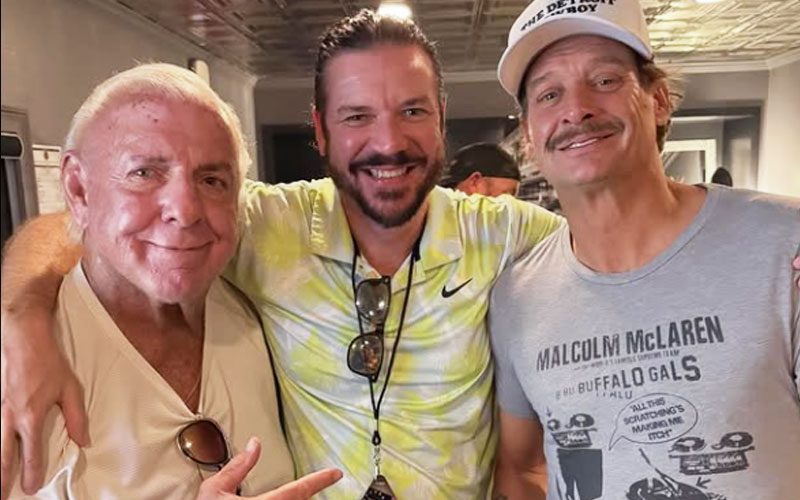
The controversy deepened when Flair engaged in a public war of words with Stevie Richards and Dutch Mantell. Flair's defense in the exchange effectively boiled down to claiming he holds more social proximity to power, specifically stating he has Donald Trump’s phone number while Richards and Mantell do not. Stevie Richards promptly retorted that Flair effectively buried himself with this name-drop-heavy approach. It is a messy look for an all-time great.
Walking back the narrative
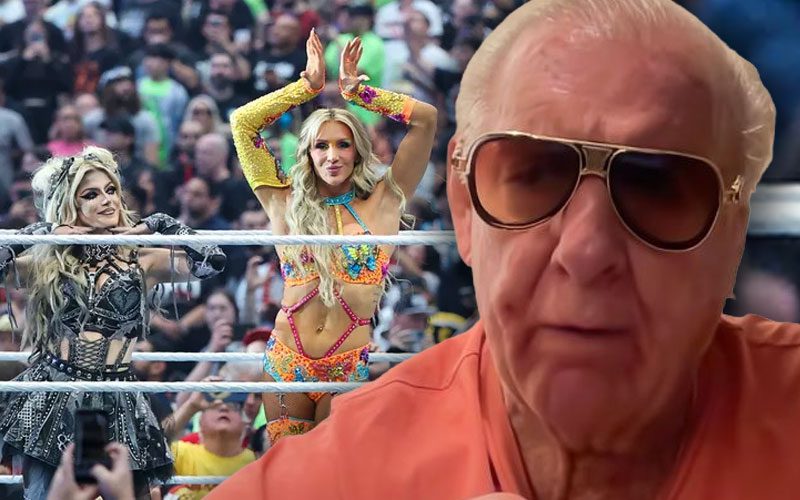
Perhaps realizing the optics shift, Flair has spent the last 24 hours walking back previous comments regarding Charlotte Flair. Initial reports suggested he was critical of her recent booking; he has since clarified that he is thrilled she is active and appearing alongside Alexa Bliss. Maintaining a consistent message has become a major hurdle for his public relations team, who are effectively playing cleanup on a daily basis.
The broader industry impact
Flair’s recent media tour has prompted questions about the necessity of legacy stars inserting themselves into modern discourse. Whether he is discussing his belief that Tony Khan might one day buy WWE or telling everyone how much the industry owes Vince McMahon, the focus is rarely on the current athletic product. The industry, at large, is moving toward a more structured promotional model, and these unpredictable outbursts are often viewed as distractions by those currently under contract.
There is also a palpable sense that Flair is struggling to find his footing in an era where every comment is clipped, scrutinized, and turned into a viral social media moment for podcasts. When he attacks contemporaries like Richards, he isn't just taking a shot; he is inviting a cycle of negative coverage that does nothing to build his own brand. The criticism from peers like Mantell carries weight because it is rooted in the reality of how a professional legend should carry themselves in retirement.
Strategic assessment
The strategy here is failing. Historically, legends who remain quiet and act as elder statesmen preserve their mystique. Flair’s recent choices—accusing a dead man of drugging him or bragging about phone contacts—diminish that status. If the objective is to stay relevant, he is succeeding only in creating headlines that leave fans wondering why an icon of the sport refuses to step back and let the current era breathe.
The upcoming calendar holds major events including the UEFA Champions League semifinals and WWE Backlash on May 9. These events require a level of focus that is currently being undermined by the noise Flair is generating. While his influence remains high, his credibility in these discussions is rapidly eroding with every impulsive press release or podcast appearance.