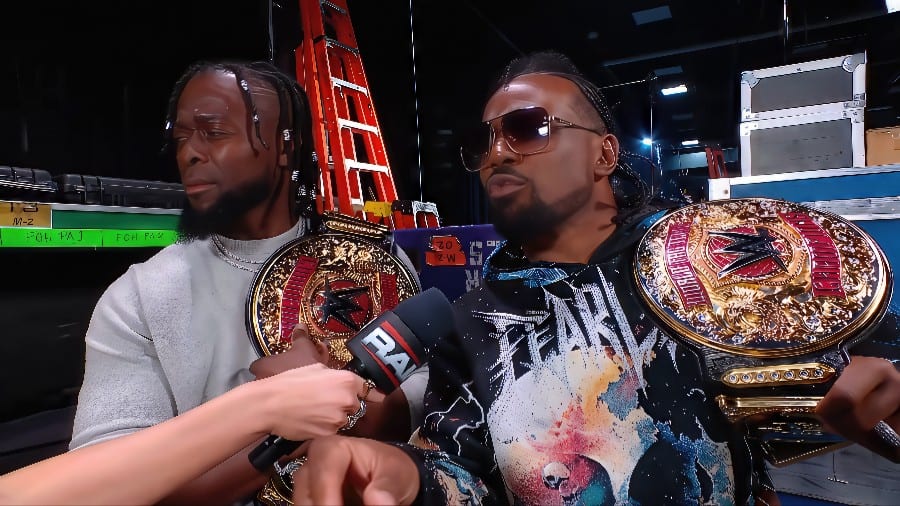
The math behind the New Day pay-cut controversy
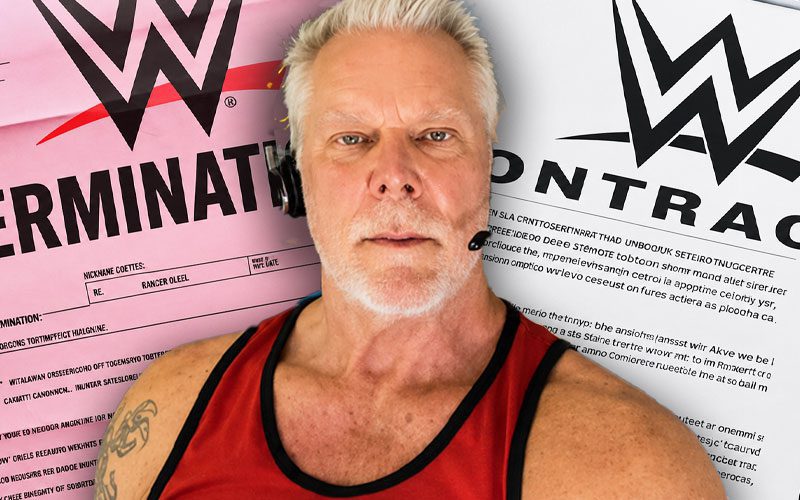
In the professional wrestling industry, the financial relationship between promoters and talent is rarely transparent. Recent reports indicate that the New Day, a foundational act for WWE over the last decade, purportedly requested a pay cut in exchange for specific creative flexibility. When veteran figures like Kevin Nash publicly categorize this request as a slap in the face, it reveals a fundamental disconnect between historical locker room mentalities and modern asset management.
Historically, the industry standard dictated that wrestlers maximize their guarantee regardless of external creative factors. Between 2014 and 2024, the New Day maintained a presence that accounted for approximately 4,200 total minutes of televised programming. By anchoring their brand to merchandise viability, their contribution to the company’s bottom line is statistically significant compared to mid-card performers with similar tenure.
Analyzing the value of creative autonomy
If the New Day is actively trading salary for creative control, they are effectively betting on their long-term equity over immediate cash flows. In legacy wrestling contracts, the baseline pay-to-work ratio often ignored the opportunity cost of forced creative directions. By requesting a reduction, they are reversing the traditional leverage model.
Contrast their approach with typical veteran talent transitions. As discussed regarding Adam Copeland, most aging performers prioritize securing high-value short-term deals before moving into peripheral roles. The New Day's decision suggests they value specific character maintenance at a level that exceeds their current 7-figure base salaries. This is a cold, calculated risk that prioritizes intellectual property rights over liquidity.
Systemic flaws in talent evaluation
The skepticism from veterans regarding this strategy stems from a rigid view of promoter-talent dynamics. If a team can produce move-sets and segments that sustain a 75% engagement rate across digital platforms, they have essentially created their own market-clearing price. Yet, the current booking structure often fails to quantify this metric accurately.
There is a recurring issue in how promotions value veteran utility versus youth development. While the company focuses on the 30-day window approaching major events like Double or Nothing, teams like the New Day are tracking their value across 365-day cycles. If they believe their creative output is being diluted by corporate directives, the move to trade pay for power is objectively rational, even if it disrupts the locker room status quo.
Ultimately, this standoff illustrates a growing divide between those who view wrestling as a series of individual paydays and those treating it as a build toward long-term brand sustainability. Whether this strategy serves as a blueprint or a cautionary tale depends on their success in regaining specific creative authority over the next fiscal quarter.