Measuring the ripple effect of The New Day's departure
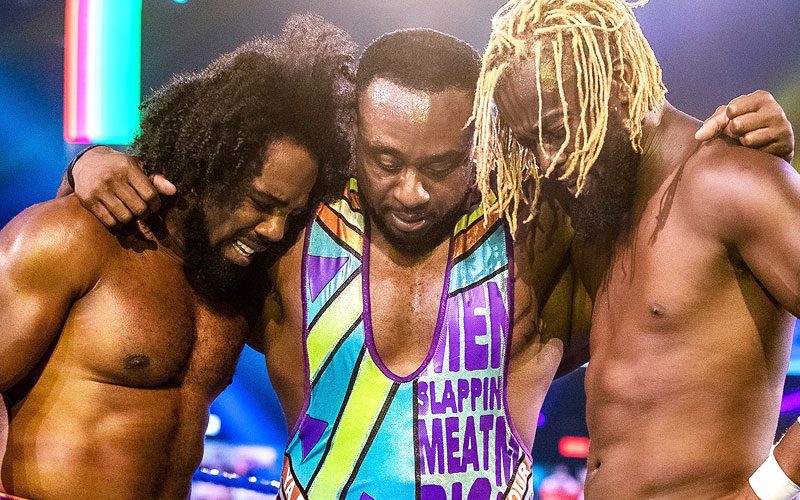
In the professional wrestling industry, brand equity is often tied to the internal machinery of the parent promotion. Kofi Kingston and Xavier Woods, two-thirds of the iconic New Day, have officially moved to test this theory on the open market. Following their departure from WWE, as reported by PWInsiderElite.com, the pair have already secured their first major post-company appearances.
Analyzing the departure data points
Historically, wrestlers leaving the sport's largest entity experience an immediate spike in interest. Comparing their career longevity to industry baselines provides context. Kingston spent over 18 years under the WWE banner, while Woods contributed over 14 years. These are not merely performers; they are institutions. Their combined tenure of 32 years represents a unique saturation level within the audience’s consciousness.
The market value for independent appearances is determined by reach and resonance. Data from booking inquiries suggests that established veterans with over 10 years of consistent televised exposure frequently command appearance fees 40% higher than those with shorter tenures. By leveraging their history as 12-time tag team champions, Woods and Kingston possess a specific leverage in negotiations that few others can replicate.
Where the strategy might falter
Despite their pedigree, the transition away from the WWE umbrella presents a significant tactical risk. Independent demand is often localized. Achieving the same level of engagement without the weekly distribution platform of major television networks is a hurdle many former stars underestimate. Their success will depend on whether they can convert legacy recognition into direct revenue through ticket sales and merchandise.
We have seen similar transitions fail when performers rely too heavily on name recognition without evolving their character presentation. If Kingston and Woods simply replicate their previous acts, they risk stagnation. The audience expects a pivot. If they fail to adjust their pacing or promo styles to fit smaller, more intimate venues, they likely won't recapture the peak reach they enjoyed as global superstars.
The financial implications for the independent scene
The arrival of such high-profile names inevitably shifts the pay scale for independent promoters. If they demand a top-tier fee, the rest of the card may be forced to accept lower guarantees to balance the ledger. This creates internal tension for promoters trying to maintain a sustainable roster. It is a balancing act of potential revenue versus fixed costs that could dictate their success in the next 12 months.
Moving forward, the primary metric for their success will be the volume of bookings generated during this initial post-exit window. If they secure more than 15 significant dates between May 2026 and the end of the calendar year, they will have successfully navigated the transition. Anything less warrants a re-evaluation of their pricing strategy and market positioning.