
Netflix is sanitizing WWE television and it is fooling nobody

The audio editing trap
The recent backlash against Netflix regarding broadcast edits proves that wrestling fans are sharper than the production trucks think. Eagle-eyed viewers spotted unauthorized signal processing on crowd audio during the Brock Lesnar and Oba Femi segment last week. Specifically, the ambient noise in the arena was replaced with high-frequency loops of generic cheering and boos that simply did not sync with the movement of the fans on screen.
When you scrub the natural rhythm out of a live crowd, you strip the segment of its stakes. Wrestling thrives on the kinetic feedback loop between the performer and the arena floor. By layering artificial tracks over the broadcast, the production team turned a legitimate showdown into a rehearsed television product. It feels antiseptic.
The Oba Femi phenomenon
Oba Femi is currently tracking toward the most difficult phase of a rookie’s career: the transition from promising prospect to headline act. His recent viral moment involving autograph scalpers outside his vehicle highlights the volatility of his current status. He is being mobbed at a frequency usually reserved for established main-eventers, yet his in-ring positioning is still being micromanaged by corporate edits.
The issue isn't Femi’s talent; his power-based repertoire is generating legitimate heat. The problem is the presentation. If the audience at home suspects the audio—and by extension, the reaction—is manufactured, they lose interest in live attendance. Why pay for a ticket if the television experience is going to be "fixed" later in post-production?
Brock Lesnar and the final horizon
Speculation surrounding the final opponent of Brock Lesnar has reached a fever pitch, with various outlets projecting a retirement match before the end of 2026. This is the moment where WWE should be pulling back the curtain, not hiding it. We want the visceral reality of a Lesnar match, not a polished documentary-style presentation that hides the flaws.
If the network’s plan is to edit every segment to ensure maximum "approval" from casual viewers, they will fundamentally break the product. Wrestling fans reward authenticity. They notice, for example, when a crowd erupts at 14 minutes and 30 seconds into a segment, only for the audio to cut out seconds later because a "heckler" shouted something the producers disliked.
The cost of perfection
The reliance on these edits is a move toward a sterilized environment. It mimics the early 2000s era of canned laughter in sitcoms, and it simply does not fit a sport built on unscripted physical tension. When you sanitize the crowd, you effectively announce that you trust neither the audience nor the performers to handle a genuine reaction.
Management needs to understand that a lukewarm, genuine response is infinitely more valuable than a manufactured, deafening roar. Every time the production crew fades up a track of forced cheers, they burn a little more of the audience's goodwill. We are approaching WrestleMania 41 in April, and the product is at its best when the seams show. Don't hide the grit.
Funko Pop! WWE: Cody Rhodes Hell in a Cell Edition (#152)
Celebrate the grit of 'The American Nightmare' with this iconic Hell in a Cell v
Frequently Asked Questions
How is Netflix manipulating WWE broadcast audio?
Why are fans concerned about WWE production editing?
What is the impact of audio editing on Oba Femi?
How do artificial crowd tracks affect WWE's authenticity?
What is the current speculation regarding Brock Lesnar's career?
More Coverage

Drew McIntyre sidelined following brutal SmackDown encounter
an hour agoWWE's New York gamble is a calculated risk ahead of WrestleMania 42
2 hours ago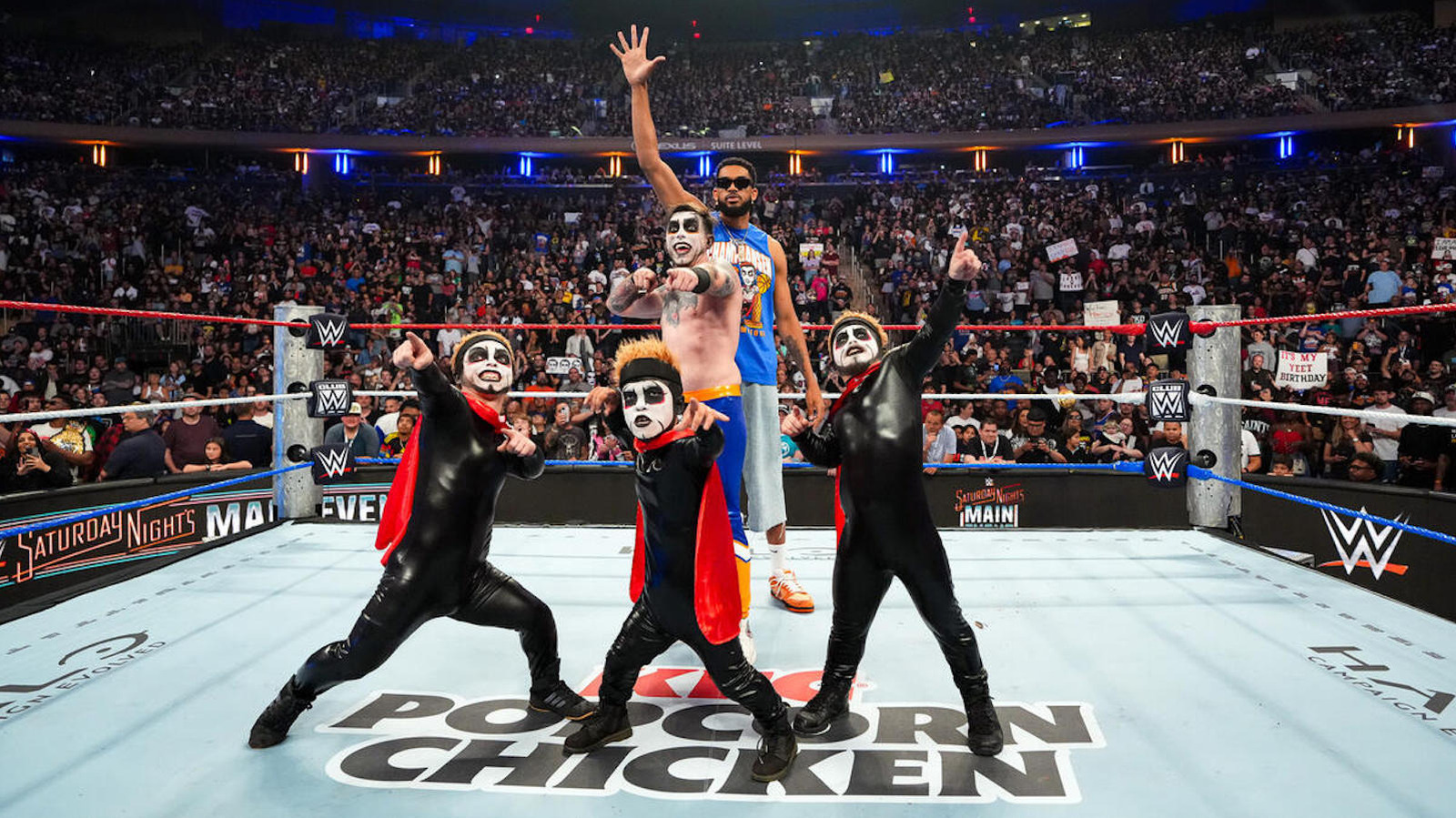
WWE's Saturday Night's Main Event math doesn't add up
2 hours agoWWE's return to New York changes the math on stadium attendance
2 hours ago
Top 10: Top Moments from MSG
3 hours ago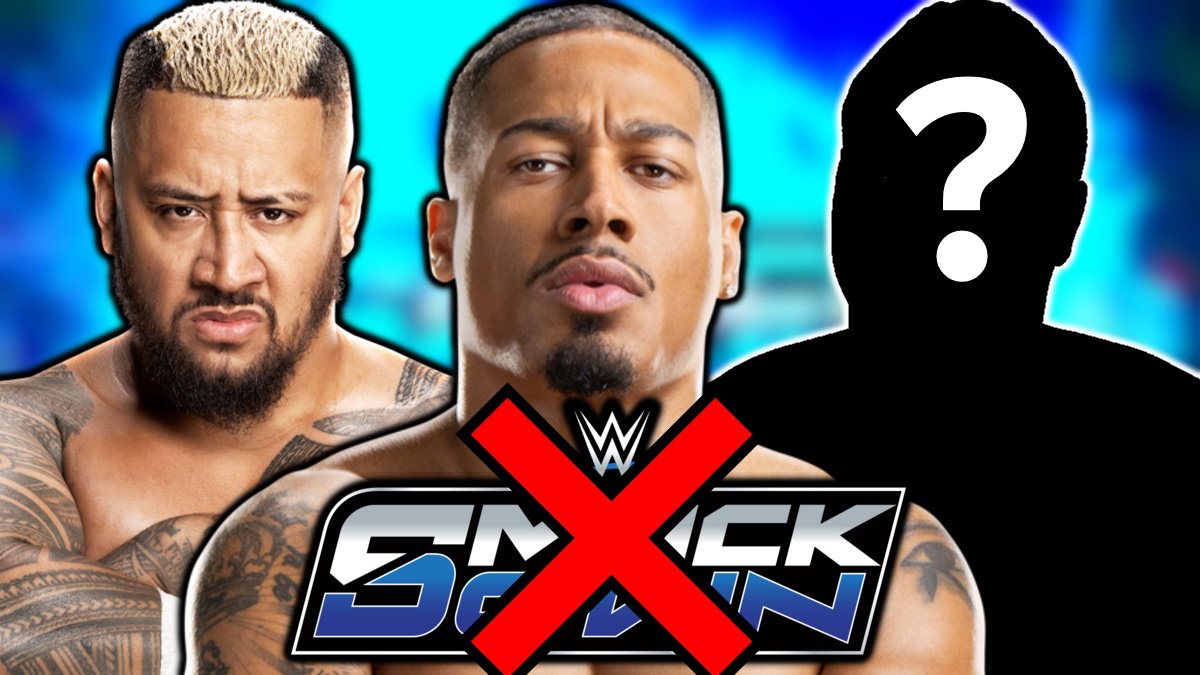
SmackDown is drifting into mid-summer malaise
3 hours agoMore Analysis
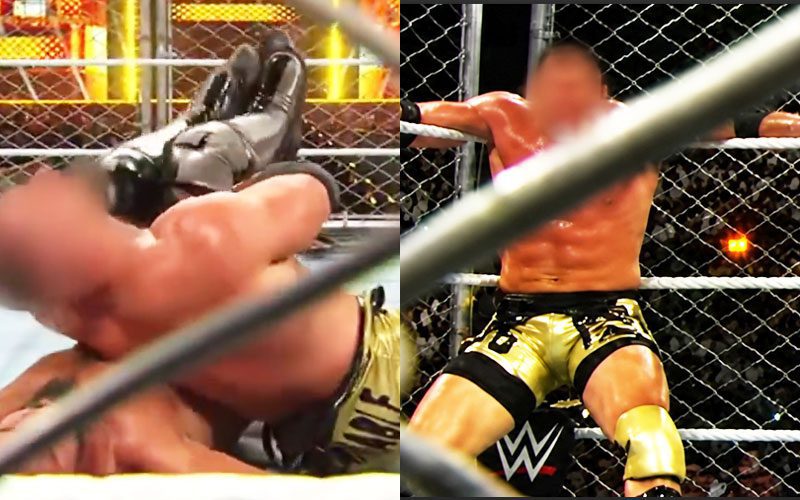
Netflix and WWE keep fumbling the presentation of actual wrestling violence
2 weeks, 3 days ago
Brock Lesnar is hiding behind suits and tape while the division moves on
2 days, 9 hours ago
WWE is turning Italy into a high-stakes Netflix experiment
1 month, 3 weeks agoNetflix is treating WWE like a Saturday morning cartoon
6 days, 1 hour ago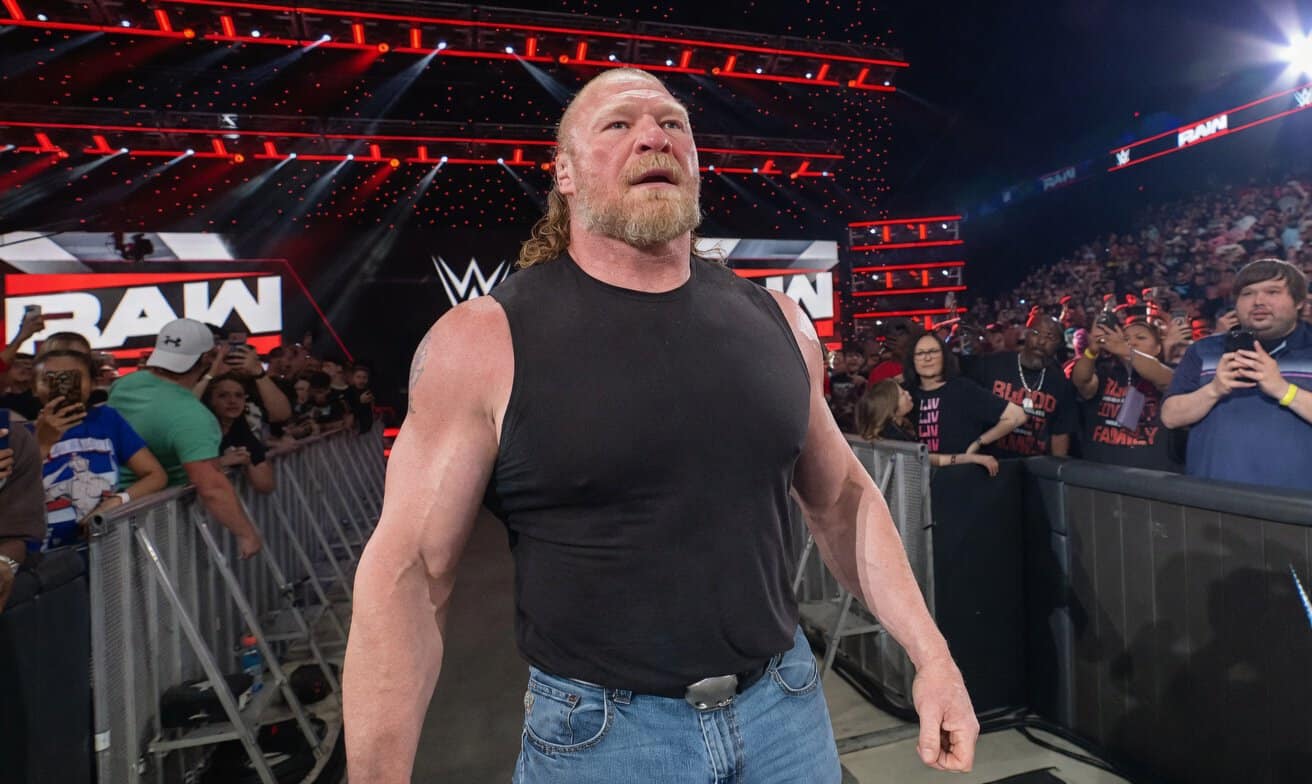
WWE's heavy-handed editing signals a shift in Lesnar's brand
2 days, 16 hours ago