Pull up a barstool, order a pint of whatever cheap lager is on tap, and let's talk about the absolute comedy that is the streaming era. We all thought the move to Netflix was going to save us from PG handcuffs. Instead, the streaming giant decided to give us a preview of their new broadcast standards, and it is a total disaster.
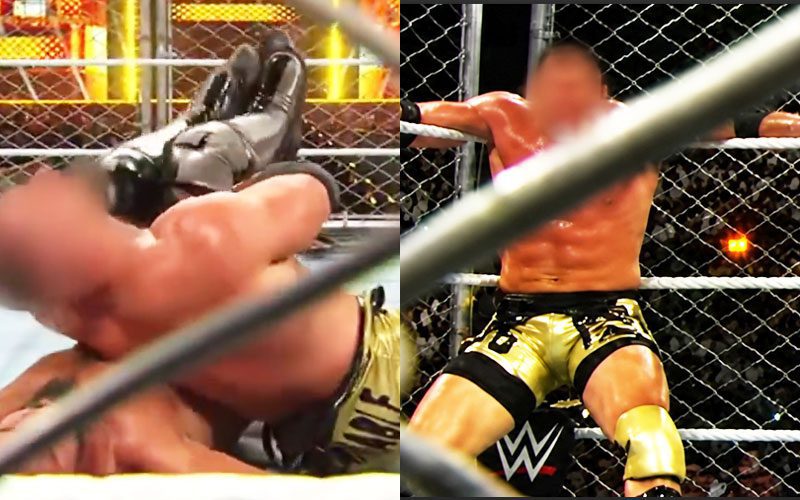
As reported by Ringside News, Netflix recently uploaded a replay of WWE Night of Champions. During Bron Breakker's steel cage match, the broadcast team decided to slap a massive, pixelated blur right over Breakker’s blood-soaked face. It looked like they were trying to protect the identity of a witness in a federal trial.
This is professional wrestling, not a local news segment. The entire point of a steel cage match is the physical drama and the visible toll of the combat. If you blur out the exact moment the monster heel gets busted open, you destroy the entire story of the match.
The Censorship Panic of 2026
Over on the internet forums, the reaction was immediate and predictably furious. Fans on Reddit started threads comparing the stream to the worst days of cable television censorship. One user pointed out that we are paying premium subscription prices specifically to avoid the sanitization of network television.
Another fan noted that if Netflix starts blurring out every minor cut, the live broadcasts of Monday Night Raw are going to look like a scrambled cable channel from the nineties. The skeptics are out in full force. They believe this is a sign of things to come under the new corporate partnership.
For months, the online wrestling community was convinced that the move to Netflix would be a glorious return to the wild west. We were promised a world free from the FCC's grasp. Fans dreamed of uncensored language, longer matches, and the return of blood as a storytelling tool.
Instead, this Bron Breakker situation is a cold shower for anyone who thought streaming was a lawless paradise. It shows that corporate sponsorship is the ultimate boss in professional wrestling. The FCC might not have power over Netflix, but the advertisers who buy commercials during live sports certainly do.
Some fans are already worried about the historical catalog. If this automated filter gets applied to the archives, classic matches like Bret Hart versus Stone Cold Steve Austin at WrestleMania 13 will be ruined. The visual of the blood pouring into Austin's mouth is one of the most famous images in sports entertainment history.
The Japanese Tape Contrarians
Naturally, the internet always has to produce some bizarre counter-arguments. A small but vocal group of contrarians is arguing that the blur actually makes the match look cooler. They claim it gives the footage a bootleg, forbidden tape vibe.
One commenter on a popular forum suggested the pixelation makes Breakker look like an unstoppable anime villain whose violence is too extreme for public broadcast. They believe the censorship actually enhances the drama by making it feel dangerous.
This group thinks the censorship adds a layer of mystery. They argue that by hiding the blood, the viewer's imagination fills in the blanks. They also point out that casual viewers might be turned off by graphic cuts, so the blur helps grow the product.
Let's be completely honest here. That is a terrible take. Wrestling is a visual medium built on facial expressions. When you block out a wrestler's eyes and mouth, you lose the agony, the defiance, and the intensity that makes the performance work.
Why the Purists are Right
Our analysis shows the skeptics have the absolute stronger argument here. You cannot tell a story about physical sacrifice while hiding the physical cost. Pro wrestling is a theater of pain.
Think about performers like Gunther or Drew McIntyre. Their entire style is built on physical brutality. When Gunther chops a man's chest until it turns purple and raw, that is visual storytelling. If the automated filters start flagging red chest welts as graphic content, are we going to see pixelated chests next?
Here are three reasons why the automated blurring system fails the fans:
- It ruins the dramatic tension by drawing the eye to a giant bouncing circle of pixels instead of the action.
- It punishes performers who take real physical risks to build a compelling narrative in the ring.
- It creates a double standard where wrestling is treated with stricter rules than standard prestige television dramas on the same service.
Breakker is a performer who relies heavily on his intense facial expressions. He snarled, he screamed, and he looked like a wild animal during that cage match. By hiding the blood, Netflix turned a career-defining visual into a Saturday morning cartoon.
The Tech Glitch or the New Normal?
Some industry insiders suggest this might just be an automated algorithm mistake. Streaming services use automated content recognition systems to tag and filter mature content. It is possible the system flagged the blood and applied the blur without any human editor reviewing the footage.
If this is just a technical glitch, Netflix needs to fix their code immediately. But if this is a deliberate policy decision to keep sponsors happy, we are in for a very long, very frustrating ride.
Wrestlers are going to keep getting busted open. It is an unavoidable part of the job when you are throwing your body into steel cages. If every minor cut results in a giant digital mosaic, the matches will become unwatchable.
As we saw in the initial report from Ringside News, this was not a subtle change. The match lasted exactly 18 minutes, and the blur was active for over four minutes of the closing sequence. That means fans missed nearly a quarter of the climax because of a digital filter.
We want to see the struggle. We want to see the sweat, the tears, and yes, the blood. Netflix needs to realize that wrestling fans want raw, unfiltered drama, not a sanitized corporate product.
Let's hope the executives are reading the room. If they keep blurring the product, the fans will start looking for their wrestling elsewhere. The sports bar is already united on this one: turn off the filters and let the performers tell their stories.